In a world where data is power, leaks can change everything. One such powerful event was BlueLeaks, a massive disclosure of sensitive U.S. law enforcement documents in 2020. Orchestrated with help from Anonymous, the leak sent shockwaves through agencies, activists, and ordinary citizens alike. But what exactly is BlueLeaks? Why did it happen? Who was behind it? And what does it mean for people like you and me? Let’s break it down in simple terms.
What is BlueLeaks?
BlueLeaks is the name given to a major data breach that exposed around 269 GB of internal files from U.S. law enforcement agencies. The data included:
-
Police emails
-
Intelligence bulletins
-
FBI reports
-
Audio files
-
Videos
-
Documents spanning nearly 24 years (from 1996 to 2020)
This wasn’t just a random data leak. It was focused on law enforcement fusion centers—places where multiple agencies (local, state, and federal) share information to fight terrorism and crime. The files revealed sensitive details about surveillance practices, protest monitoring, and internal communications, many of which raised concerns about police overreach, racial profiling, and civil rights violations.
Who Was Behind BlueLeaks?
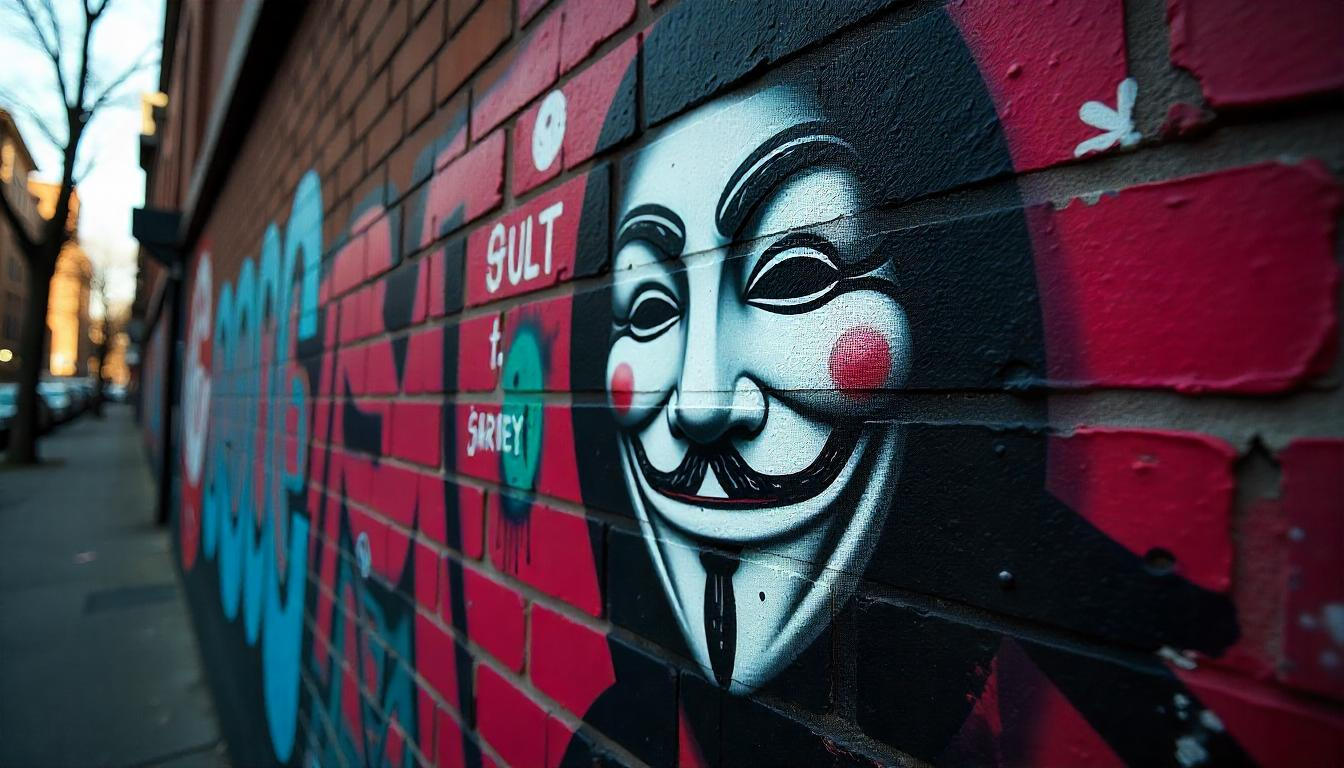
The files were leaked by a group called Distributed Denial of Secrets (DDoSecrets)—a transparency collective often compared to WikiLeaks. They are known for publishing documents in the public interest, especially those that expose government or corporate wrongdoing. But DDoSecrets didn’t do it alone. The hacking was allegedly carried out by a hacker known as “NiteSec,” part of a broader network linked to Anonymous, the well-known hacktivist collective. Anonymous, known for its iconic Guy Fawkes mask and decentralized structure, often steps into the spotlight during social justice movements, especially when they feel that power is being abused. So, BlueLeaks was a product of hacktivism—a digital form of protest, and perhaps rebellion.
When Did BlueLeaks Happen?
The leak was made public on June 19, 2020—just weeks after the murder of George Floyd and the rise of Black Lives Matter protests across the U.S. At a time when police accountability was under the microscope, BlueLeaks landed like a thunderbolt. The data was uploaded to a searchable website managed by DDoSecrets. For many, it felt like a sudden window into how law enforcement agencies talk, plan, and monitor the public behind closed doors.
What Did the Leak Reveal?
Here’s what made BlueLeaks so explosive:
1. Protest Monitoring
Documents showed how law enforcement tracked Black Lives Matter protests. Some reports seemed to label peaceful demonstrators as potential threats or extremists.
2. Poor Intelligence Practices
Some leaked files revealed how law enforcement relied on unverified social media posts or outdated information to form reports. This raised concerns about bias, especially against minority communities.
3. Surveillance Concerns
There were records of facial recognition tools, cell phone tracking, and social media monitoring—some of which may have been used without proper oversight.
4. COVID-19 Misinformation
Surprisingly, some files contained internal communications about COVID-19 misinformation and how it was spreading online. This showed how agencies tried (and sometimes failed) to understand the digital landscape during a pandemic.
Why Was It Important?
BlueLeaks was more than just a massive data dump. It was a mirror held up to law enforcement culture. While not all the files revealed wrongdoing, many showed how agencies gather intelligence, how they perceive the public, and how they respond to civil unrest. For journalists, researchers, and civil rights activists, it offered unprecedented access to behind-the-scenes operations. For law enforcement, it was a nightmare—a major security breach that forced agencies to review their digital hygiene and internal policies.
Legal and Ethical Questions
The BlueLeaks release raised tough questions:
-
Is it ethical to leak documents that include personal information or sensitive operations?
-
Does the public’s right to know outweigh the potential risks to law enforcement?
-
Should hacktivism be treated the same as cybercrime?
Notably, DDoSecrets was banned from Twitter shortly after the leak. Their website was also taken offline temporarily. Yet, they argued that the public deserved to see these documents, especially at a time of national reckoning.
Anonymous and Their Role
Anonymous has always walked a fine line between activism and anarchy. They don’t follow leaders, and their actions range from digital pranks to political interventions. With BlueLeaks, their involvement felt different. It wasn’t about taking down a website or embarrassing a company. It was about transparency, accountability, and civil rights. By collaborating with groups like DDoSecrets, Anonymous reminded the world that they’re still watching—and acting—especially when they believe the system is broken.
What Happened After BlueLeaks?
After the leak, federal agencies responded aggressively:
-
The FBI launched investigations into the breach.
-
A German server used by DDoSecrets was seized.
-
The founder of DDoSecrets, Emma Best, faced legal threats but continued to advocate for transparency.
Meanwhile, media outlets including The Intercept, NBC News, and Wired analyzed the files and published in-depth reports about what the documents showed. Though the searchable database was taken down, copies of the BlueLeaks archive still circulate among journalists and researchers.
What Can We Learn From This?
Here are some key takeaways:
-
Transparency matters. BlueLeaks showed that even powerful institutions need oversight. When there’s no transparency, leaks can become the only way to hold systems accountable.
-
Hacktivism is evolving. Anonymous and groups like DDoSecrets are changing how activism works in the digital age. They operate outside traditional boundaries, which makes them hard to predict—but also impactful.
-
Digital security is crucial. The leak happened because of weak security at a web hosting provider used by law enforcement groups. It’s a reminder that no organization is truly safe from cyber threats without robust protection.
Final Thoughts
BlueLeaks wasn’t just a leak—it was a moment of reckoning. It challenged how we think about law enforcement, privacy, digital activism, and freedom of information. Whether you see it as a breach or a breakthrough, one thing is clear: BlueLeaks exposed more than documents. It exposed a system. And in doing so, it made the invisible visible—for better or worse.

