The internet has given people a powerful voice. In the last two decades, we’ve seen how online communities can rally around causes, expose injustice, and support movements that traditional media sometimes ignores. One of the most well-known names in this space is Anonymous, a loosely connected collective of hacktivists that has become a symbol of online resistance.
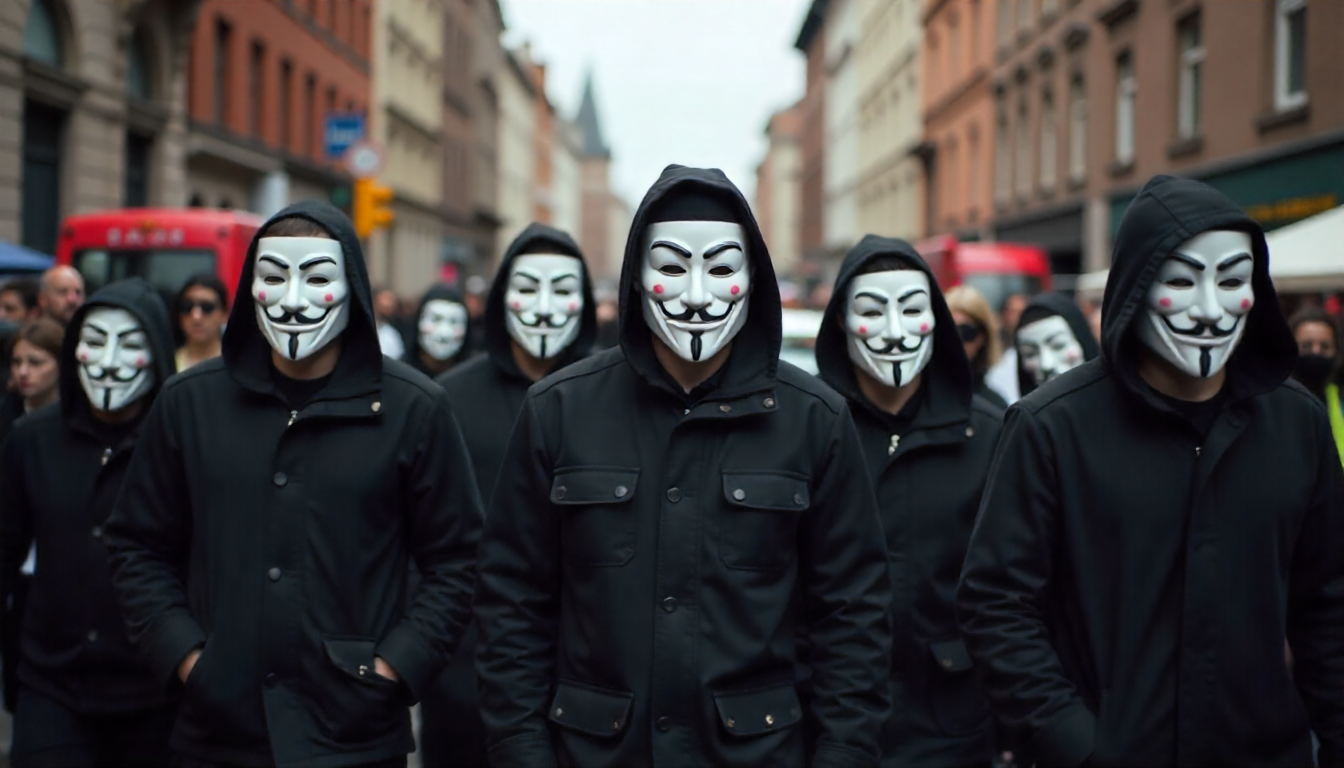
Anonymous is not a single group with a fixed leader or membership list. Instead, it is a decentralized movement of individuals who believe in fighting for freedom of speech, internet freedom, and human rights. Over the years, Anonymous has supported activists and protests in ways that have captured the world’s attention — sometimes through digital disruption, sometimes by raising awareness, and sometimes by directly helping people on the ground. Let’s explore the main ways Anonymous has supported activists and protests, from famous operations to lesser-known campaigns.
1. Amplifying Voices of Protesters Through Global Awareness
One of the most powerful tools Anonymous has is its ability to attract attention. The Guy Fawkes mask, now iconic thanks to the movie V for Vendetta, is instantly recognizable online and offline. When Anonymous supports a cause, it often leads to headlines in mainstream media, which helps bring international focus to a local protest.
For example, during the Arab Spring in 2011, Anonymous launched online campaigns to spread the messages of protesters in countries like Tunisia and Egypt. By hacking government websites, posting videos, and using social media to highlight human rights abuses, they ensured that the world knew what was happening — even when local governments tried to censor information.
2. Digital Protection for Activists
In many parts of the world, activists face surveillance, censorship, and online harassment. Anonymous has often stepped in to help them stay safe in the digital space. They have shared guides on encryption, online anonymity, and bypassing internet restrictions.
During the Occupy Wall Street movement in 2011, Anonymous not only encouraged people to join the protests but also provided tips on avoiding police tracking through social media. They advised activists on using VPNs, Tor, and secure messaging apps, which helped many people organize without exposing themselves to unnecessary risks.
3. Hacking to Expose Corruption or Injustice
Anonymous is most famous for its “hacktivism” — using hacking skills to expose wrongdoing. While controversial, this approach has often helped activists by providing evidence of corruption or human rights violations.
One notable example was Operation Payback, which began as a protest against anti-piracy groups but evolved into broader actions against corporations or governments seen as suppressing free speech. In some cases, Anonymous released confidential documents showing corruption, giving journalists and activists valuable tools to support their causes.
Another case was OpTunisia, where Anonymous hacked government websites during the Tunisian revolution and released evidence of censorship. This helped validate protesters’ claims and put more pressure on the regime.
4. Supporting Street Protests Through Coordination
While Anonymous is known for online activity, it has also inspired and supported physical protests. The movement has called for rallies, shared protest schedules, and encouraged peaceful assembly.
In 2012, Anonymous played a role in organizing protests against the Stop Online Piracy Act (SOPA) and the Protect IP Act (PIPA) in the United States. These laws were seen as a threat to internet freedom, and the online protests — which included major websites like Wikipedia going dark for a day — were paired with street demonstrations. Anonymous helped spread the word and mobilize thousands.
5. Helping Whistleblowers Share Information Safely
Sometimes, activists rely on whistleblowers to bring hidden truths to light. Anonymous has acted as a bridge between these individuals and the public. They have shared secure ways for whistleblowers to upload sensitive documents without revealing their identity.
For example, during Operation AntiSec, Anonymous and other hacktivist groups leaked large amounts of data from security firms and government agencies. This information sometimes included evidence of unethical surveillance or corporate wrongdoing, which activists could then use to push for reforms.
6. Using Social Media to Counter Government Narratives
Governments facing protests often try to control the story by spreading propaganda. Anonymous has used its strong online presence to counter such narratives. Through platforms like Twitter, Facebook, and YouTube, they have released videos, statements, and memes that challenge official claims.
During the Ferguson protests in 2014 — sparked by the police shooting of Michael Brown — Anonymous released videos supporting the protesters and warning local authorities against suppressing free speech. They also exposed details about police actions, helping journalists and the public get a clearer picture of events on the ground.
7. Providing Technical Disruption Against Oppressors
One of the more controversial methods Anonymous uses is Distributed Denial of Service (DDoS) attacks against websites of governments, corporations, or organizations seen as oppressive. While critics call these attacks illegal and disruptive, Anonymous views them as a form of digital protest — similar to a sit-in, but online.
For instance, in Operation Egypt, Anonymous took down several government websites in solidarity with protesters who were facing violent crackdowns. While such attacks don’t directly change policies, they can embarrass authorities, disrupt propaganda channels, and signal that the world is watching.
8. Creating Educational and Awareness Campaigns
Beyond hacking, Anonymous often produces videos, manifestos, and guides aimed at educating people about their rights and the cause they’re supporting. These materials are shared widely online and can help people understand complex issues in simple terms.
During the global protests against the Trans-Pacific Partnership (TPP) trade agreement, Anonymous released videos explaining how the deal could impact internet freedom, healthcare, and environmental protections. Many people who joined the protests learned about the issue through these campaigns.
9. Standing with Protest Movements Worldwide
Anonymous is not tied to one country or ideology. Over the years, it has supported diverse causes across the world, including:
-
Hong Kong Protests (2019–2020): Anonymous targeted Chinese and Hong Kong government websites to show solidarity with pro-democracy protesters.
-
Climate Change Activism: Anonymous has backed environmental protests like those by Extinction Rebellion, amplifying their message online.
-
Women’s Rights Movements: They have voiced support for protests against gender-based violence and inequality, often calling out governments that fail to protect women.
This global reach has allowed activists to feel they are part of a bigger movement, giving them moral support even when they are isolated in their own countries.
10. Inspiring Others to Act
Perhaps one of Anonymous’s most important contributions is inspiration. Their motto, “We are Anonymous. We are Legion. We do not forgive. We do not forget. Expect us.”, has become a rallying cry for many who feel powerless against larger forces.
Even people who don’t agree with every tactic Anonymous uses often find motivation in their boldness. The idea that ordinary people — armed with knowledge, determination, and the internet — can challenge powerful governments or corporations has encouraged many to take action in their own ways.
The Criticism and Controversy
While Anonymous has done a lot to support activists and protests, it is not without controversy. Critics argue that some of their actions are illegal, disruptive, or counterproductive. Hacktivism can sometimes harm innocent people, and the lack of central leadership means anyone can act in the name of Anonymous — even if their goals are questionable. Yet, despite these criticisms, many activists see value in having a decentralized, unpredictable force on their side. In environments where traditional advocacy is suppressed, Anonymous can act as a wildcard — making it harder for authorities to control the narrative.
Conclusion: A Digital Ally for the People
Anonymous is not a perfect movement, and it’s not without flaws. But in a world where governments can shut down the internet, corporations can silence critics, and activists can be jailed for speaking out, having a decentralized network willing to take risks can make a difference. By amplifying voices, protecting digital privacy, exposing corruption, and standing in solidarity with protest movements around the world, Anonymous has carved out a unique role in modern activism. They show that resistance is not always about physical presence — sometimes it’s about using the power of the internet to ensure the truth cannot be hidden. In the end, Anonymous is a reminder that even in the digital age, the fight for justice still needs courage, creativity, and a willingness to stand up — whether in the streets or behind a keyboard.

