Zero-Day Exploits for Sale on the Dark Web: What Hackers Are Trading. Zero-day exploits represent one of the most dangerous weapons in the cybercrime economy, and the dark web has become their primary marketplace. A zero-day exploit targets a previously unknown software vulnerability for which no patch exists, giving attackers a powerful advantage. In 2025, these exploits are no longer rare anomalies but high-value digital commodities actively traded across underground forums, private channels, and invitation-only marketplaces.
Unlike common malware, zero-day exploits enable silent infiltration. They allow attackers to bypass security tools, escalate privileges, and compromise systems without triggering alarms. This makes them highly attractive to ransomware gangs, espionage groups, and financially motivated cybercriminals.
This article explores how zero-day exploits are bought and sold on the dark web, who is involved in these transactions, pricing structures, risks, and what organisations should know to defend themselves.
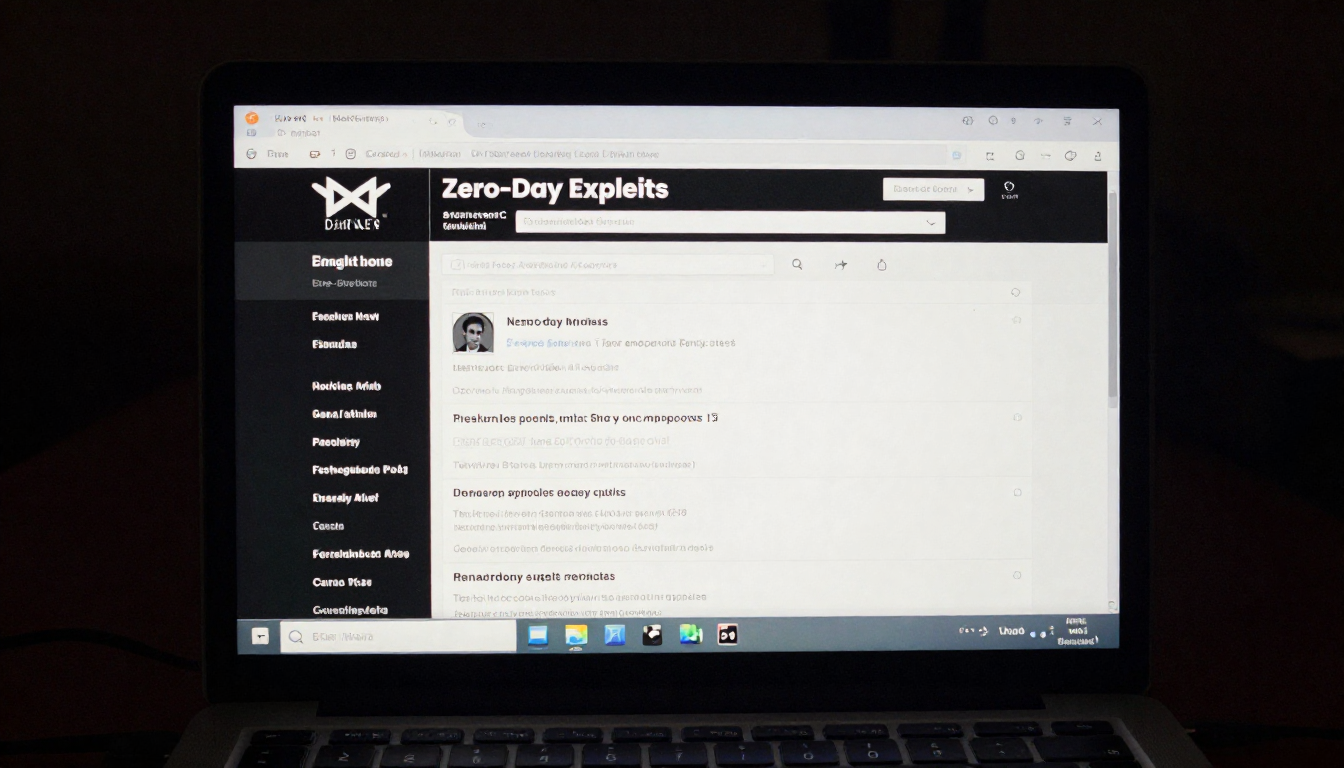
What Is a Zero-Day Exploit
A zero-day exploit is a method of attacking a vulnerability that is unknown to software vendors and security teams. Because no patch or detection rule exists, defenders have zero days to respond before exploitation occurs.
These exploits often target widely used operating systems, browsers, enterprise software, and networking devices. Once discovered, they can be weaponised into malware or used for direct intrusion.
The secrecy surrounding zero-day vulnerabilities makes them extremely valuable. Their effectiveness declines rapidly once disclosed, incentivising fast monetisation on the dark web.
Why the Dark Web Is the Preferred Marketplace
The dark web offers anonymity, encryption, and restricted access, making it ideal for high risk cybercrime transactions. Zero-day sellers use private forums and encrypted messaging platforms to avoid exposure.
Access to these marketplaces often requires reputation, referrals, or proof of previous activity. This vetting process reduces the risk of law enforcement infiltration and scams.
Dark web platforms also provide escrow services, dispute resolution, and feedback systems. These features mirror legitimate marketplaces, reinforcing trust between criminals.
Who Sells Zero-Day Exploits
Sellers range from independent security researchers turned cybercriminals to organised hacking groups. Some sellers claim to discover vulnerabilities themselves, while others act as brokers connecting buyers and researchers.
In some cases, insiders or contractors with access to proprietary systems leak vulnerabilities for profit. This insider threat significantly increases risk for enterprises.
Not all sellers disclose full technical details upfront. Many provide limited demonstrations or proof-of-concept videos to protect their intellectual property.
Who Buys Zero-Day Exploits
Buyers include ransomware gangs, cyber espionage actors, and advanced persistent threat groups. Financially motivated criminals use zero-days to gain initial access to enterprise networks.
State-aligned actors may purchase exploits for intelligence gathering or surveillance. These buyers often seek long-term stealth rather than immediate profit.
Initial access brokers also buy zero-days to compromise systems and resell access to other criminals, creating an additional layer in the underground economy.
Pricing and Valuation
Zero-day exploit prices vary widely based on target software, reliability, and exclusivity. Exploits targeting popular enterprise platforms command higher prices.
Prices can range from tens of thousands to several million dollars. Exclusive exploits cost more, as sellers guarantee they will not resell them.
Some sellers offer subscription-based access, providing updates and support. Others sell time-limited access before public disclosure.
Popular Targets in 2025
Operating systems, enterprise email platforms, VPN appliances, and cloud management tools are among the most sought-after targets. Vulnerabilities in these systems provide broad access.
Browser zero-days remain valuable due to their reach, but enterprise infrastructure exploits are often more profitable.
Industrial control systems and critical infrastructure software are emerging targets, reflecting the expanding scope of cybercrime.
Verification and Trust Mechanisms
Trust is a major challenge in zero-day trading. Buyers demand proof without exposing sellers to theft. This has led to creative verification methods.
Sellers may provide partial code, limited demonstrations, or exploit execution in controlled environments. Some rely on a reputation built over years.
Escrow services hold payment until buyers confirm functionality. These services charge fees but reduce fraud risk.
Risks for Buyers and Sellers
Buying zero-day exploits carries significant risk. Exploits may be unreliable, already known, or patched. Sellers may disappear after payment.
Sellers face risks of exposure, scams, or betrayal. Selling to undercover agents or unreliable buyers can lead to arrests or losses.
Both parties operate under constant threat of law enforcement surveillance and platform shutdowns.
Role of Zero-Days in Ransomware Attacks
Zero-day exploits are increasingly used in high-profile ransomware campaigns. They enable attackers to bypass perimeter defences and deploy payloads rapidly.
Using zero-days shortens attack timelines and increases success rates. Victims often have no warning before systems are compromised.
This effectiveness makes zero-days a strategic investment for ransomware gangs targeting high-value enterprises.
Impact on Enterprises and Governments
The sale of zero-day exploits poses serious risks to global security. Enterprises face data breaches, operational disruptions, and financial losses.
Governments worry about national security implications, particularly when critical infrastructure is targeted. Zero-days can undermine trust in digital systems.
Regulatory scrutiny is increasing, with calls for vulnerability disclosure and export controls.
Detection Challenges
Detecting zero-day exploitation is extremely difficult. Traditional security tools rely on known signatures and indicators.
Behavioral analysis and anomaly detection offer better chances but require mature security operations. Many organisations lack these capabilities.
Low and slow exploitation techniques further reduce visibility.
Defensive Strategies for Organisations
Defense begins with reducing attack surfaces. Regular patching, system hardening, and asset visibility are essential.
Network segmentation limits damage if exploitation occurs. Even a successful zero-day should not grant unrestricted access.
Endpoint detection and response tools can identify unusual behaviour. Threat intelligence helps anticipate emerging attack methods.
Bug bounty programs and responsible disclosure encourage researchers to report vulnerabilities ethically.
The Ethics Debate
Zero-day trading raises ethical questions. Some argue researchers deserve compensation, while others warn of harm caused by secrecy.
Responsible disclosure balances security and innovation, but financial incentives on the dark web often outweigh ethical concerns.
This debate continues as zero-days become more lucrative.
Future Trends in Zero-Day Trading
Automation and artificial intelligence may accelerate vulnerability discovery. This could increase supply and lower prices.
At the same time, defensive technologies may improve detection. The arms race between attackers and defenders will intensify.
Zero-day exploits are likely to remain a cornerstone of advanced cybercrime.
Conclusion
Zero-day exploits for sale on the dark web represent one of the most serious threats in modern cybersecurity. Their power, secrecy, and profitability make them highly sought after by sophisticated attackers.
For organisations, awareness is critical. Understanding how these exploits are traded and used helps inform defensive strategies. While eliminating zero-day risk is impossible, preparedness and resilience can significantly reduce impact.
As long as vulnerabilities exist and secrecy pays, the dark web will continue to host a thriving market for zero-day exploits.

