Creativity has long been considered a uniquely human trait. Art, music, and storytelling are deeply tied to emotion, experience, and cultural context. For years, the idea that machines could meaningfully contribute to creative expression was met with skepticism. In 2026, that perception has changed dramatically.
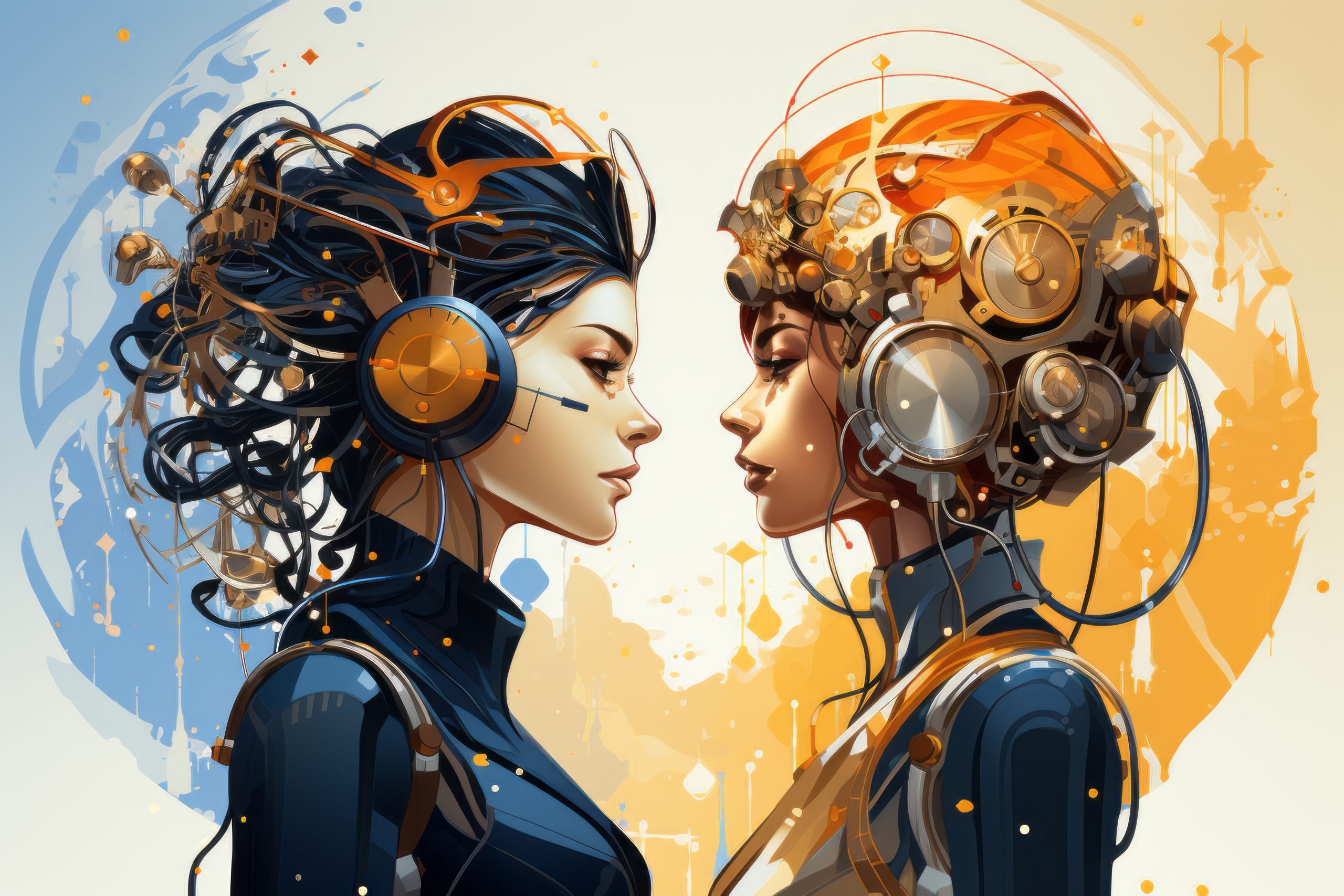
Artificial intelligence is no longer viewed as a threat to creativity but as a collaborator. AI tools are helping artists explore new styles, musicians experiment with sound, and writers overcome creative blocks. Rather than replacing human imagination, AI is expanding the creative toolbox and opening new possibilities for expression.
This evolving relationship between AI and human creativity is reshaping how creative work is produced, consumed, and valued.
How AI Has Entered the Creative World
AI’s role in creativity did not emerge overnight. It developed gradually as models became more capable of understanding patterns, structure, and context.
From Technical Tool to Creative Partner
Early AI tools focused on technical tasks like image enhancement or audio cleanup.
Modern AI systems can now generate original images, compose music, and assist in writing narratives, moving beyond support roles into creative collaboration.
Learning From Vast Creative Archives
AI models are trained on massive collections of art, music, and literature.
By learning patterns across styles and genres, AI can generate content that feels coherent while still allowing room for human direction.
Rethinking Creativity in the Age of AI
The rise of AI-generated content has sparked important questions about creativity itself.
Creativity as a Process, Not Just an Output
Creativity is not only about the final product but about intention, choice, and interpretation.
AI contributes ideas and variations, but humans provide meaning, emotion, and purpose.
Human Judgment Remains Central
AI can generate options, but humans decide what resonates.
Taste, cultural awareness, and emotional depth remain uniquely human strengths.
AI and Visual Art Collaboration
Visual art has become one of the most visible areas of AI-human collaboration.
Expanding Artistic Exploration
Artists use AI to explore new styles, color palettes, and compositions.
AI-generated variations help artists see possibilities they may not have considered.
Blending Human Vision With Machine Generation
The most compelling AI-assisted art often involves clear human direction.
Artists guide prompts, refine outputs, and integrate AI-generated elements into their own vision.
Impact on Digital and Commercial Art
AI is influencing both fine art and commercial creative industries.
Faster Concept Development
Designers use AI to generate concept art, mockups, and visual ideas quickly.
This speeds up creative workflows without eliminating human oversight.
New Opportunities for Independent Creators
AI tools lower technical barriers.
Independent artists can produce high-quality visuals without large teams or expensive software.
AI in Music Composition and Production
Music is another area where AI-human collaboration is thriving.
Generating Melodies and Harmonies
AI systems can generate melodies, chord progressions, and rhythmic patterns.
Musicians use these outputs as inspiration rather than finished compositions.
Enhancing Music Production
AI assists with mixing, mastering, and sound design.
This allows musicians to focus more on creative expression and performance.
Supporting, Not Replacing, Musicians
Concerns about AI replacing musicians are common, but real-world use tells a different story.
AI as a Creative Assistant
Musicians use AI to overcome creative blocks or experiment with unfamiliar genres.
AI expands possibilities without removing human authorship.
Preserving Emotional Expression
Emotion, performance nuance, and cultural context remain human-driven elements.
AI enhances production but does not replicate lived experience.
AI and Storytelling in Writing and Media
Storytelling is deeply tied to human experience, yet AI is playing an increasing role in the creative process.
Assisting Writers With Ideation
AI helps writers brainstorm plot ideas, character arcs, and settings.
This support is especially useful during early stages of writing.
Improving Productivity Without Controlling Narrative
Writers retain control over voice, theme, and message.
AI suggestions act as prompts, not directives.
AI in Film, Games, and Interactive Media
Storytelling today extends beyond books into immersive experiences.
Procedural Content Generation
AI generates environments, dialogue, and scenarios in games and simulations.
This creates richer and more dynamic experiences.
Supporting Large-Scale Creative Projects
Film studios use AI for previsualization, editing assistance, and effects planning.
This reduces production time while maintaining creative control.
Ethical and Creative Ownership Challenges
As AI becomes more involved in creativity, new questions emerge.
Authorship and Credit
Determining ownership of AI-assisted work is complex.
Clear guidelines are needed to protect human creators while acknowledging AI contributions.
Originality and Influence
AI learns from existing works, raising concerns about imitation and originality.
Responsible use requires transparency and respect for creative rights.
Cultural Impact of AI-Driven Creativity
AI is influencing how culture is created and consumed.
Democratization of Creative Expression
More people can participate in creative production thanks to accessible AI tools.
This leads to greater diversity of voices and ideas.
Shifting Creative Standards
Audiences are becoming more aware of AI involvement in creative work.
This awareness is changing how creativity is evaluated and appreciated.
Collaboration as the Future Creative Model
The most successful creative outcomes emerge from collaboration, not competition.
Humans Set Vision, AI Expands Possibility
Humans define goals, emotions, and meaning.
AI explores variations and accelerates experimentation.
Co-Creation Over Automation
Creative value comes from interaction between human intent and machine capability.
This partnership enhances, rather than diminishes, creativity.
Skills Creators Need in an AI-Enhanced World
Creative professionals are adapting to new tools and workflows.
Learning to Direct AI Tools
Prompting, refining, and curating AI output are becoming creative skills.
Understanding AI limitations is just as important as using its strengths.
Maintaining Creative Identity
With AI generating content easily, personal style and perspective become even more important.
Authenticity remains a key differentiator.
The Future of AI and Human Creativity
AI will continue to evolve as a creative collaborator.
Future tools will become more intuitive, context-aware, and responsive to human emotion.
Rather than replacing creativity, AI will push it into new territories.
Conclusion
AI and human creativity are not in opposition. In 2026, they are increasingly intertwined. Across art, music, and storytelling, AI is helping creators explore ideas faster, experiment more freely, and bring visions to life with greater efficiency.
Human imagination, emotion, and intention remain at the core of creative work. AI enhances these qualities by offering new perspectives and tools.
The future of creativity lies not in choosing between humans and machines, but in embracing collaboration that expands what creativity can become.

