Creative industries have always evolved alongside technology. From the invention of the printing press to digital photography and computer-generated imagery, each technological shift has changed how creativity is produced, distributed, and valued. Artificial intelligence represents the most significant transformation yet, not because it replaces creative tools, but because it actively participates in the creative process. AI systems can now generate music, write scripts, design visuals, edit films, and even collaborate with human creators in real time. This has sparked both excitement and concern across artistic communities. Supporters see AI as a powerful creative partner that expands artistic possibilities, while critics fear it may dilute originality or devalue human effort. Understanding how AI is reshaping creative industries requires a deeper look beyond surface-level debates. It involves examining how creativity works, how AI systems generate content, and how industries are adapting to a future where human and machine creativity increasingly intersect.
Understanding Creativity in the Context of Artificial Intelligence
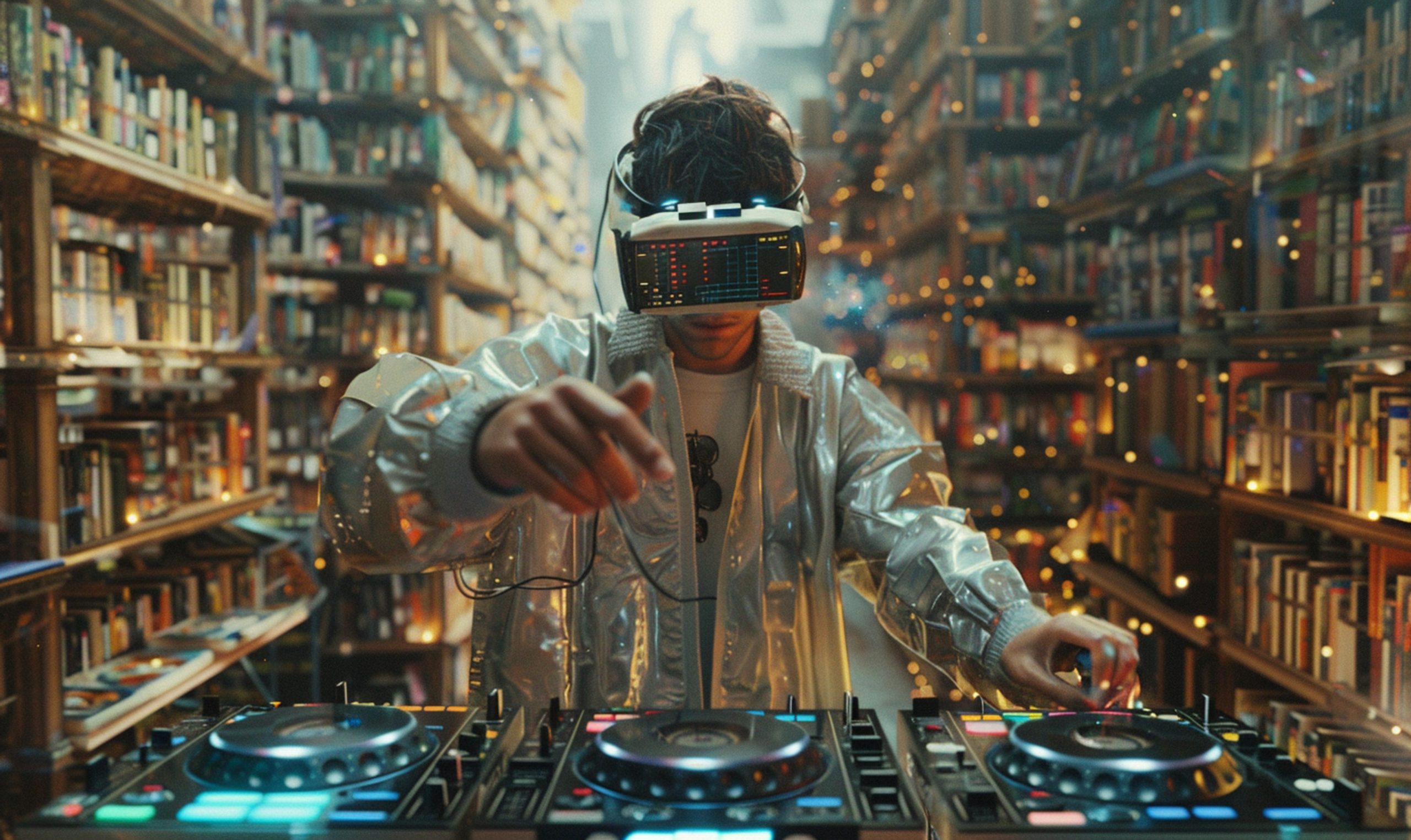
Creativity is often described as a uniquely human trait rooted in emotion, experience, and cultural context. AI challenges this definition by demonstrating the ability to produce outputs that resemble creative work. However, AI does not create in the same way humans do. Instead of inspiration or intention, AI relies on patterns learned from vast datasets of existing creative works. By analyzing structures, styles, and relationships within this data, AI systems generate new combinations that appear original.
This distinction is important because it reframes AI not as a replacement for human creativity, but as a different kind of creative engine. AI excels at exploring large creative spaces quickly, offering variations and ideas that humans may not immediately consider. Human creators, in turn, provide direction, context, and meaning. The future of creative industries is therefore less about competition between humans and machines and more about collaboration between complementary forms of creativity.
Creativity as Augmentation, Not Automation
In most creative fields, AI functions as an augmentation tool rather than a fully autonomous creator. Artists, musicians, and writers use AI to accelerate workflows, experiment with new styles, or overcome creative blocks. By handling repetitive or technically complex tasks, AI frees human creators to focus on conceptual and emotional aspects of their work. This shift is changing not only how creative work is produced, but also how creative professionals define their roles.
AI in Visual Arts and Design
Visual art and design are among the most visibly impacted creative fields. AI-powered tools can generate illustrations, paintings, logos, and layouts within seconds. These systems analyze millions of images to learn artistic styles, color theory, composition, and visual balance. Designers can use AI to generate multiple design concepts quickly, refine visual elements, and test variations before finalizing a piece.
In commercial design, AI improves efficiency and consistency. Branding agencies use AI to generate design assets that align with brand guidelines, while marketers use AI to tailor visuals for different audiences and platforms. In fine art, some artists use AI as a medium itself, exploring questions about authorship, originality, and the nature of creativity. These works often blend algorithmic generation with human curation, challenging traditional definitions of art.
Redefining the Role of the Artist
As AI takes on more technical aspects of visual creation, the role of the artist shifts toward direction and interpretation. Artists increasingly act as creative directors, guiding AI systems through prompts, constraints, and iterative feedback. This changes skill requirements, placing greater emphasis on conceptual thinking and aesthetic judgment rather than manual execution alone.
AI and Music Composition
Music composition has been deeply influenced by AI’s ability to analyze patterns in rhythm, melody, harmony, and structure. AI systems trained on large music libraries can generate original compositions in various genres and styles. These tools are used by composers to explore new musical ideas, generate background scores, or adapt music dynamically to different contexts such as video games or interactive media.
In music production, AI assists with tasks such as mixing, mastering, and sound design. By analyzing audio characteristics, AI tools optimize sound quality and balance levels more efficiently than traditional methods. This democratizes music production by lowering technical barriers and allowing independent artists to achieve professional-quality results.
Collaboration Between Musicians and AI
Rather than replacing musicians, AI often serves as a collaborative partner. Musicians use AI-generated compositions as starting points, modifying and refining them to reflect personal expression. This collaboration accelerates experimentation and encourages genre blending. However, it also raises questions about authorship and intellectual property, particularly when AI-generated music closely resembles existing works.
AI in Writing, Film, and Storytelling
Storytelling is central to human culture, and AI is increasingly involved in its creation. AI systems can generate scripts, short stories, marketing copy, and dialogue by learning narrative structures, language patterns, and genre conventions. In film and television, AI assists with script analysis, predicting audience engagement, and identifying plot weaknesses before production begins.
AI also plays a role in post-production processes such as video editing, color grading, and special effects. Automated editing tools analyze footage to select optimal shots, synchronize audio, and even suggest narrative pacing adjustments. These capabilities reduce production time and costs, enabling smaller teams to produce high-quality content.
Personalized and Interactive Narratives
AI enables new forms of storytelling that adapt to individual audiences. Interactive narratives, where storylines change based on user choices or preferences, rely heavily on AI-driven content generation. This personalization enhances audience engagement and opens new possibilities for games, virtual experiences, and immersive media.
Economic Impact on Creative Industries
The integration of AI into creative industries has significant economic implications. On one hand, AI increases productivity, reduces costs, and creates new creative roles. On the other hand, it disrupts traditional job structures and revenue models. Tasks that once required specialized skills may become automated, leading to concerns about job displacement.
However, history shows that technological change often creates new opportunities alongside disruption. New roles are emerging in areas such as AI tool development, creative direction, prompt engineering, and digital curation. Creative professionals who adapt and integrate AI into their workflows are more likely to remain competitive in an evolving market.
Shifting Business Models
AI also influences how creative content is monetized. Subscription-based platforms, personalized content delivery, and data-driven marketing strategies are becoming more common. These models rely on AI to understand audience behavior and optimize content distribution, reshaping how creative value is generated and captured.
Ethical and Legal Challenges
The use of AI in creative industries raises complex ethical and legal questions. One major concern is intellectual property. AI systems are trained on existing creative works, often without explicit consent from creators. Determining who owns AI-generated content, and whether training data constitutes infringement, remains an unresolved issue in many jurisdictions.
Bias is another concern. AI systems reflect the data they are trained on, which can lead to underrepresentation or stereotyping in generated content. Ensuring diversity and fairness in creative outputs requires careful dataset selection and ongoing oversight. Transparency about how AI-generated content is produced is essential for maintaining trust among creators and audiences.
Preserving Human Cultural Expression
There is also a broader cultural concern about preserving human expression in an AI-driven creative landscape. Creativity is deeply tied to lived experience, emotion, and social context. While AI can mimic styles, it cannot replicate human consciousness. Maintaining space for authentic human voices is essential for cultural richness and diversity.
The Future of Human and AI Creativity
The future of creative industries lies in hybrid creativity, where humans and AI collaborate in increasingly sophisticated ways. AI will continue to expand creative possibilities by generating ideas, exploring variations, and handling technical tasks. Humans will provide vision, meaning, and emotional depth. Education and training will play a critical role in preparing creative professionals to work effectively with AI tools.
Creative industries will also need to develop ethical standards, legal frameworks, and cultural norms that balance innovation with respect for human creativity. This includes fair compensation, transparency, and recognition of human contribution in AI-assisted works.
Conclusion
Artificial intelligence is not ending creativity, but transforming it. By reshaping how art, music, writing, and storytelling are produced, AI is redefining the creative process itself. While challenges related to ethics, ownership, and employment must be addressed, the potential benefits are substantial. AI empowers creators to experiment more freely, work more efficiently, and reach wider audiences. The future of creative industries will be shaped not by whether AI is used, but by how thoughtfully it is integrated. When guided by human values and artistic intent, AI can become a powerful partner in expanding the boundaries of creative expression.

