Anonymous operates in an environment where visibility often equals vulnerability. Every connection to the internet leaves traces, and those traces can be analyzed, correlated, and exploited. To counter this reality, Anonymous relies heavily on proxy chains and virtual private networks as foundational elements of its operational security. These tools are not optional enhancements but essential safeguards that allow participants to act without immediately exposing their physical location or identity. Over time, Anonymous has refined how these technologies are used, learning through experience which configurations reduce risk and which mistakes lead to exposure. Understanding the role of proxy chains and VPNs in Anonymous activities reveals how network-level anonymity supports decentralized action under constant surveillance.
Why Network-Level Anonymity Matters
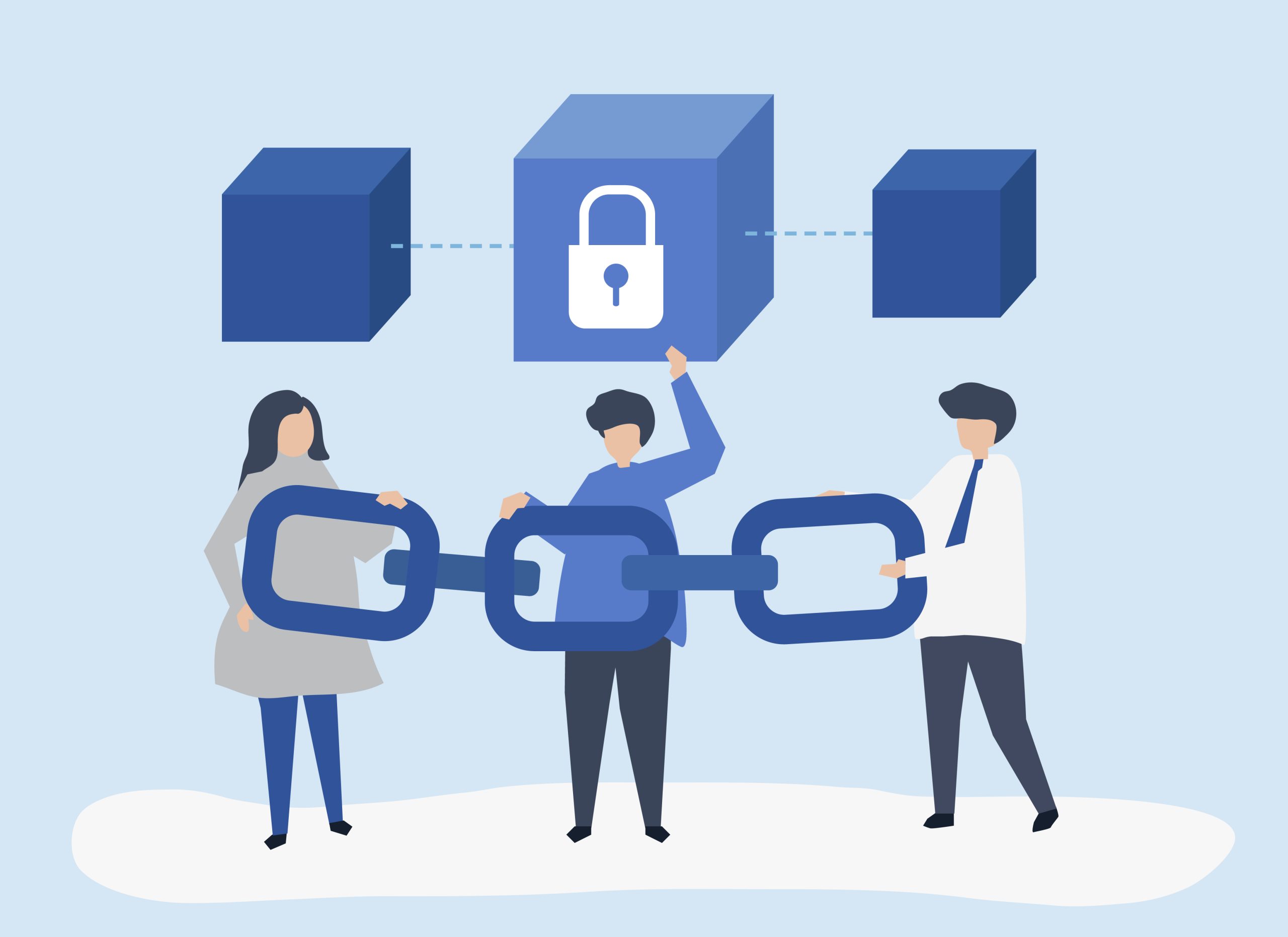
Most investigations into cyber activity begin at the network level. IP addresses, routing paths, and connection logs provide the first clues used to identify individuals or trace activity back to a source. For Anonymous, allowing direct connections between a participant and a target system would undermine anonymity entirely. Even strong encryption at the application level cannot protect against network-level identification if traffic is directly attributable to a real-world location.
Network-level anonymity creates distance between action and actor. By obscuring where traffic originates, Anonymous participants gain time, uncertainty, and plausible deniability. Investigators may still detect activity, but attributing it to a specific individual becomes significantly more difficult. This delay and ambiguity are often enough to protect participants or allow operations to conclude before countermeasures take effect.
Understanding VPNs in Anonymous Operations
VPNs are one of the most commonly used tools within Anonymous activities. At a basic level, a VPN encrypts traffic between the user and a remote server, masking the user’s real IP address from external observers. To anyone monitoring the connection, the traffic appears to originate from the VPN server rather than the participant’s actual location. This simple redirection provides immediate protection against basic tracking and surveillance.
Anonymous participants typically avoid mainstream or poorly vetted VPN services. Logging policies, jurisdiction, and ownership all matter. A VPN that keeps connection logs or operates under aggressive surveillance laws can become a liability rather than a safeguard. As a result, participants favor services that claim minimal logging, accept anonymous payment methods, or operate in jurisdictions with limited data retention requirements. The VPN becomes a temporary shield, not a trusted authority.
Proxy Chains and Layered Routing
While a single VPN adds protection, Anonymous often goes further by using proxy chains. A proxy chain routes traffic through multiple intermediary servers before it reaches its destination. Each server only knows the previous and next hop, making it difficult to reconstruct the full path of the connection. This layered routing significantly complicates tracing efforts, especially when proxies are distributed across different countries and networks.
Proxy chains are particularly useful when combined with VPNs. A participant may first connect to a VPN, then route traffic through several proxies, and finally access a target or communication platform. This layered approach means that even if one layer is compromised, others remain intact. Investigators must unravel multiple independent services, each governed by different policies and jurisdictions. The complexity alone acts as a deterrent.
Combining VPNs, Proxies, and Tor
Anonymous rarely relies on a single anonymization method. VPNs and proxy chains are often combined with the Tor network, which routes traffic through a volunteer-operated network of nodes. Each layer serves a different purpose. VPNs protect against local network monitoring, proxies add routing complexity, and Tor provides anonymity through distributed relays and encryption.
This combination is used selectively based on risk. Low-risk activities may involve only a VPN, while high-risk operations may involve full chaining through multiple systems. The key principle is flexibility. Anonymous does not mandate a single setup but encourages participants to understand trade-offs and choose configurations appropriate to the operation. This adaptability makes network-level detection inconsistent and unreliable.
Avoiding Correlation and Traffic Analysis
One of the biggest threats to network anonymity is correlation analysis. Even if traffic is encrypted and routed through intermediaries, patterns in timing, volume, or behavior can reveal connections between users and actions. Anonymous mitigates this risk by encouraging irregular usage patterns. Participants avoid consistent schedules, limit session duration, and randomize behavior where possible.
Proxy chains and VPNs help by introducing latency and variability into traffic flow. Multiple hops make timing analysis less precise, while shared infrastructure mixes traffic from many users. This blending reduces the clarity of patterns that analysts rely on. The goal is not invisibility, but noise. By increasing uncertainty, Anonymous makes confident attribution far more difficult.
Disposable Infrastructure and Temporary Use
Another important aspect of how Anonymous uses VPNs and proxies is disposability. Accounts, configurations, and access points are treated as temporary. Participants rotate services, change endpoints, and abandon setups frequently. This limits the value of long-term monitoring and reduces the impact of compromised credentials or exposed configurations.
Disposable use also reflects an understanding of trust limitations. Even privacy-focused services can be compromised, subpoenaed, or infiltrated. Anonymous assumes that any service may eventually become unsafe. By minimizing duration of use, participants reduce the amount of data that can be collected and correlated over time. Network anonymity becomes a moving target rather than a fixed defense.
Operational Discipline and User Responsibility
Tools alone do not guarantee anonymity. Anonymous emphasizes that VPNs and proxy chains are only effective when used correctly. Simple mistakes such as DNS leaks, browser fingerprinting, or logging into personal accounts can defeat even the most complex setup. As a result, operational discipline is a recurring theme in Anonymous guidance and practice.
Participants are expected to test configurations, isolate devices, and avoid mixing anonymous activity with personal use. Proxy chains and VPNs provide the infrastructure, but user behavior determines outcomes. Those who fail to follow basic precautions often expose themselves, reinforcing the collective understanding that anonymity is a process rather than a product.
Legal and Technical Risks
Despite their benefits, VPNs and proxy chains carry risks. Misconfigured services can leak information. Some providers cooperate with authorities or retain logs despite claims to the contrary. Free proxy services, in particular, are often unreliable or malicious. Anonymous participants learn to be skeptical and cautious, understanding that convenience often comes at the cost of security.
There are also legal risks. The use of anonymization tools can attract scrutiny in some jurisdictions, even when no illegal activity is involved. Anonymous accepts this risk as part of operating in contested digital space. The tools are not inherently illegal, but their use signals an intent to resist monitoring, which may prompt additional attention.
The Strategic Value of Network Obfuscation
Beyond individual protection, proxy chains and VPNs provide strategic value to Anonymous as a whole. They make operations harder to disrupt by obscuring where activity originates. This forces defenders to focus on mitigation rather than attribution. When identity is uncertain, responses become reactive rather than preventative.
This shift benefits Anonymous by allowing actions to proceed without immediate consequences. Even when operations are detected, the lack of clear attribution limits escalation. Network obfuscation thus supports the broader decentralized model, where no single participant is critical and no single failure ends the campaign.
Conclusion
Proxy chains and VPNs are essential components of Anonymous activities, enabling participants to operate within a highly monitored digital environment. By obscuring network-level identifiers, introducing routing complexity, and supporting disposable infrastructure, these tools create the uncertainty that Anonymous relies on for survival. They do not make participants invisible, but they make attribution costly, slow, and often inconclusive.
The use of these technologies reflects Anonymous’ broader philosophy. Security is achieved through layers, adaptation, and collective discipline rather than reliance on any single solution. As surveillance capabilities continue to advance, the role of proxy chains and VPNs will remain central to Anonymous operations. They are not just technical tools, but strategic enablers of decentralized action in the modern internet landscape.

