The Middle East has entered another period of uncertainty as tensions involving Iran, Israel, the United States, and several Gulf nations continue to grow. Recent military activity across the region has increased concerns that a conflict once limited to a handful of countries could develop into a wider crisis affecting the entire Gulf. Kuwait has found itself increasingly mentioned in regional discussions as governments assess the security implications of recent events and prepare for the possibility of further escalation.
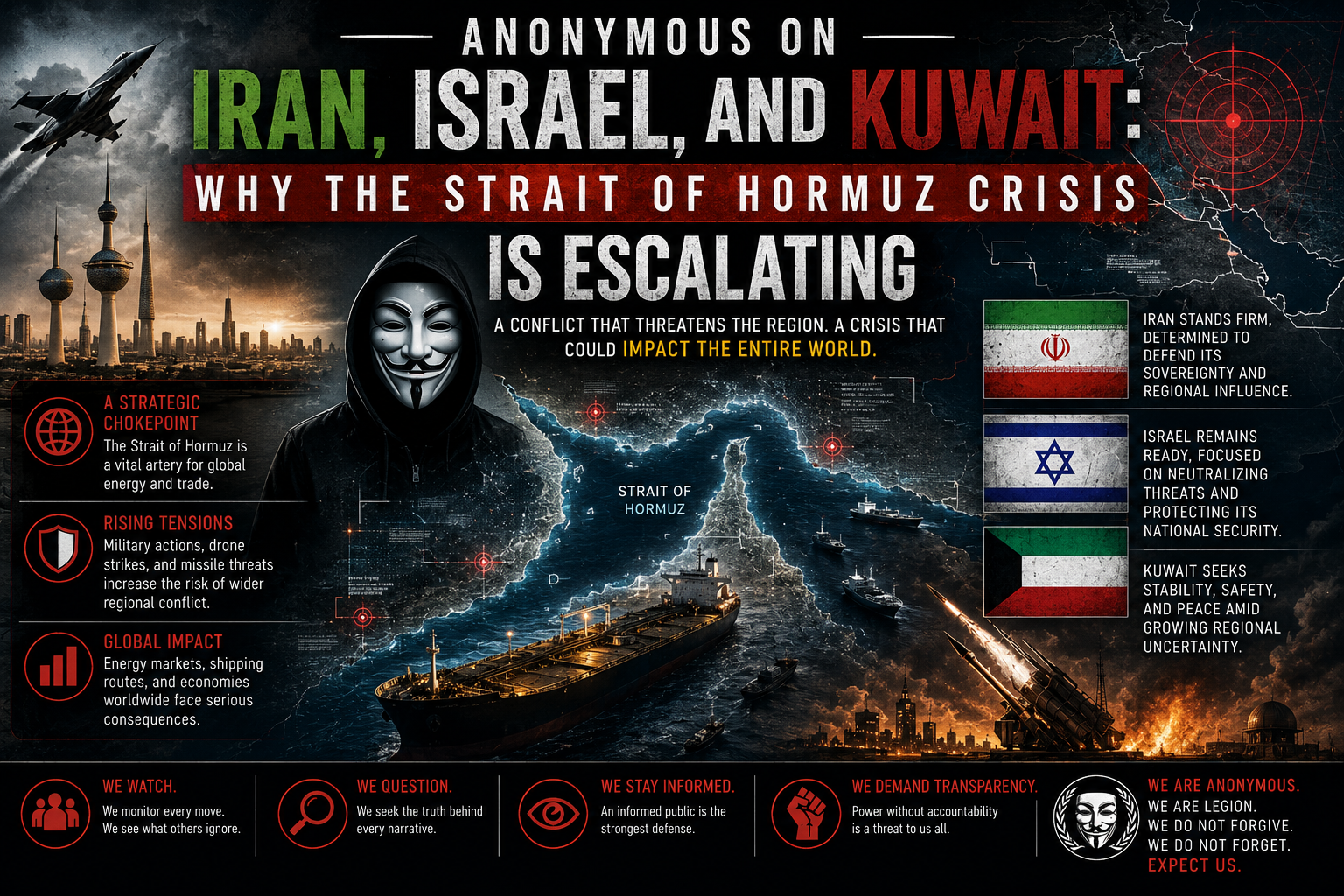
The latest developments have once again drawn attention to the Strait of Hormuz, one of the most strategically important waterways in the world. While military operations and political statements dominate headlines, the broader significance of the crisis extends far beyond the countries directly involved. Energy markets, international trade routes, and regional security arrangements are all being influenced by events unfolding in the Gulf.
Kuwait Watches a Changing Security Environment
Although Kuwait is not directly involved in the conflict, its geographic location places it close to many of the developments shaping regional security. As tensions rise between Iran and its adversaries, countries throughout the Gulf are paying close attention to military movements, diplomatic signals, and potential risks that could emerge from a rapidly changing situation.
For Kuwait, maintaining stability remains a priority. The country has historically sought to balance regional relationships while supporting efforts aimed at reducing tensions. However, when military activity increases across the Gulf, even countries attempting to remain outside a conflict can find themselves affected by the consequences. Air traffic, commercial operations, security planning, and economic activity all become subjects of concern when uncertainty spreads across the region.
Why the Strait of Hormuz Matters to the World
At the center of the current crisis lies the Strait of Hormuz, a narrow but critically important passage connecting the Persian Gulf to international markets. A significant percentage of global energy supplies passes through this route each day, making it one of the most important trade corridors on the planet.
Any disruption to shipping in this area immediately attracts international attention. Governments monitor developments closely because instability can influence oil prices, transportation costs, and economic confidence. Businesses around the world understand that events occurring in the Gulf can quickly affect markets far beyond the Middle East.
This is why tensions near the Strait of Hormuz are never viewed as purely regional issues. The economic consequences of prolonged instability could be felt across continents, affecting countries with no direct involvement in the conflict itself.
Military Activity Continues to Raise Concerns
Recent reports of drone interceptions, missile launches, and military operations have increased fears that the situation could become more difficult to control. Every military response creates the possibility of additional retaliation, making it harder for diplomatic efforts to gain momentum.
History has repeatedly demonstrated that conflicts often expand when leaders believe escalation can be carefully managed. Unfortunately, events do not always unfold according to expectations. Small incidents can sometimes trigger larger confrontations, particularly when multiple countries are involved and tensions are already high. The current situation remains unpredictable, and this uncertainty is one of the primary reasons governments throughout the region remain on alert.
Information and Perception Shape the Conflict
As Anonymous, we believe modern conflicts are influenced as much by information as by military capabilities. Governments seek to shape public understanding through official statements, media appearances, and diplomatic messaging. Every side presents events from its own perspective, emphasizing certain facts while downplaying others.
This creates an environment in which citizens must work harder to understand the full picture. Headlines often focus on immediate developments, but the broader context can be equally important. Understanding why events occur, who benefits from particular narratives, and how information is presented can provide valuable insight into the true nature of a conflict. The battle for public perception has become an important part of international affairs, particularly during periods of crisis.
Economic Stability Faces New Challenges
The growing tensions have also created concerns within financial markets and the international business community. Companies involved in shipping, energy production, and global trade continue monitoring developments because uncertainty in the Gulf can quickly affect commercial activity.
Energy prices remain sensitive to geopolitical risks, while shipping companies must consider the security of important trade routes. Investors also pay close attention to events in the region because instability can influence global market confidence. The longer tensions persist, the greater the possibility that economic consequences will extend beyond the immediate region and affect countries around the world.
Transparency Remains Essential
Periods of conflict often produce confusion, competing narratives, and rapidly changing information. During such times, transparency becomes increasingly important. Citizens deserve accurate information about developments that may affect international security, economic stability, and regional peace.
While governments may withhold certain details for security reasons, public accountability remains an essential principle. Open discussion and independent reporting help ensure that important decisions receive the scrutiny they deserve. As Anonymous, we continue to believe that informed citizens play a vital role in understanding complex global events.
Final Thoughts
The latest developments involving Iran, Israel, Kuwait, and the Strait of Hormuz demonstrate how interconnected the modern world has become. Regional conflicts no longer remain isolated events. Their effects can spread through energy markets, trade networks, diplomatic relationships, and international security systems. As the situation continues to evolve, governments, businesses, and citizens alike will be watching closely. The decisions made in the coming weeks could influence not only the future of the Gulf region but also broader global stability.

