The death of a seven-month-old Palestinian baby in the occupied West Bank has once again drawn international attention to the human cost of the Israeli-Palestinian conflict. According to reports, the infant was killed after Israeli forces opened fire on a vehicle near Hebron. The baby’s parents were also injured during the incident and later received medical treatment. Israeli military officials stated that soldiers believed the vehicle posed a threat before later determining that the occupants were civilians. An investigation into the shooting has reportedly been launched.
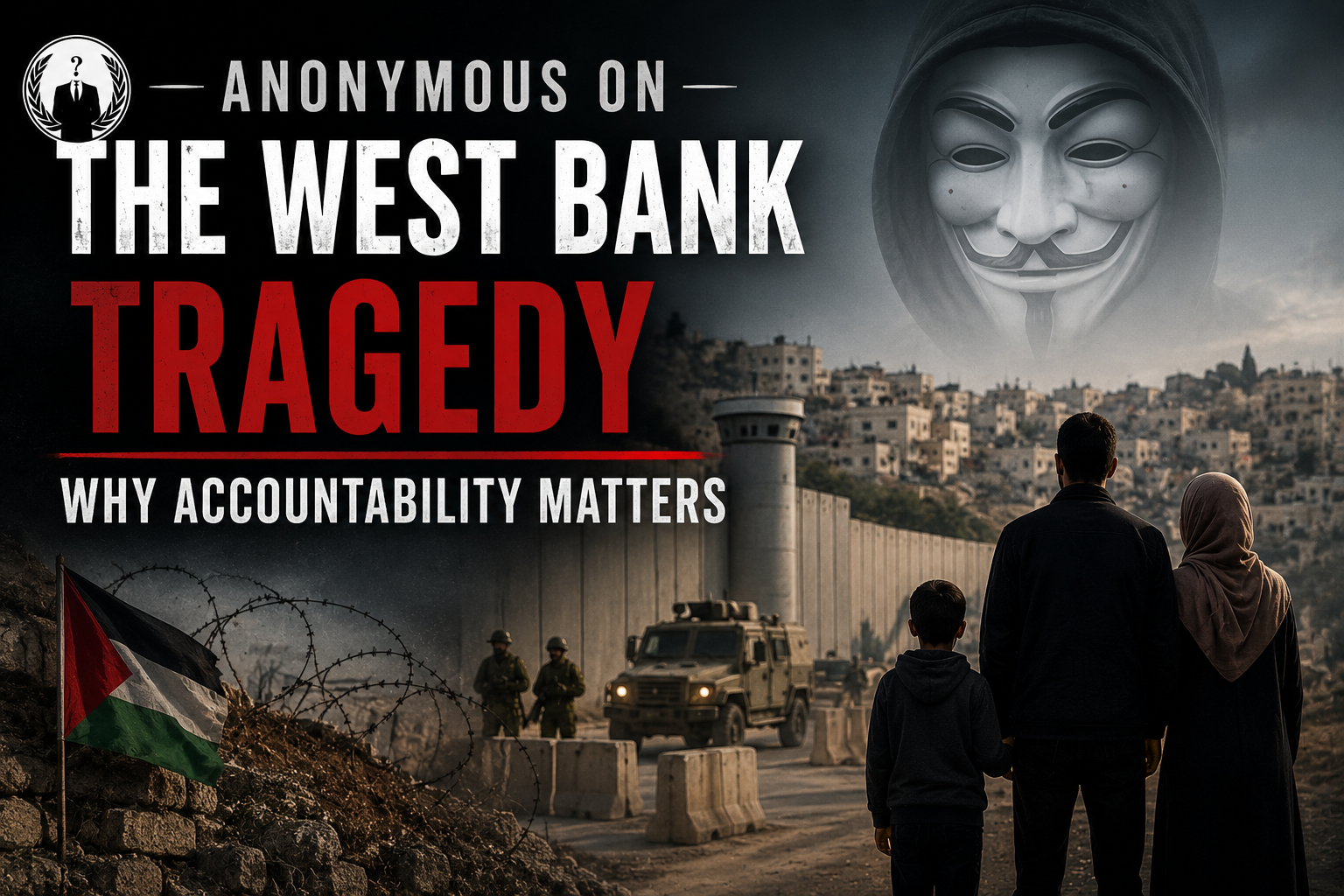
For many people around the world, the tragedy represents far more than a single incident. It serves as another reminder that civilians, particularly children, often pay the highest price during prolonged conflicts. Regardless of political views, nationality, or ideology, the death of an infant raises difficult questions about military conduct, accountability, and the protection of noncombatants.
The Human Cost Behind the Headlines
Major conflicts are often discussed through statistics, military operations, and diplomatic statements. Casualty figures appear in reports, while political leaders debate security concerns and strategic objectives. Yet behind every headline is a family whose life has been permanently changed.
According to accounts provided by relatives, the family was traveling in the Hebron area when the shooting occurred. The infant suffered fatal injuries, while both parents were wounded. The incident has generated widespread reactions from human rights organizations, international observers, and local communities. The tragedy has reignited concerns about civilian safety in the West Bank, where tensions have remained high amid ongoing military operations and security measures.
Questions That Demand Answers
As Anonymous, we believe incidents involving civilian deaths require transparent investigations and public accountability. Whenever military force results in the loss of innocent life, the public deserves clear answers regarding what happened, why decisions were made, and whether established procedures were followed.
Investigations should not exist merely to satisfy public pressure. They should seek facts, identify mistakes if they occurred, and help prevent similar incidents from happening again. Accountability is not a political position. Accountability is a principle. The credibility of any institution depends on its willingness to examine difficult events honestly and openly.
A Conflict That Continues Across Generations
The Israeli-Palestinian conflict has lasted for decades, affecting multiple generations on both sides. Families have experienced loss, displacement, insecurity, and fear. Children have grown up knowing conflict as a normal part of daily life.
This reality contributes to an environment where tragedies continue to occur despite repeated calls for peace and restraint. While governments focus on security concerns and political objectives, ordinary families often find themselves caught between forces far beyond their control. The death of a child inevitably becomes a symbol of this larger reality. It highlights the human consequences of a conflict that continues without a clear resolution.
Why Transparency Remains Essential
In highly polarized conflicts, competing narratives emerge almost immediately after major incidents. Governments release official statements. Military organizations present their findings. Activists, media outlets, and political groups often interpret events through different perspectives. As Anonymous, we encourage people to examine facts carefully while remaining cautious of narratives designed to advance political objectives. Transparency is essential because public trust depends on access to reliable information rather than speculation. Citizens deserve to understand what happened. Families deserve answers. Communities deserve accountability. Without transparency, confidence in official investigations becomes difficult to maintain.
Looking Beyond Politics
The death of a child should never become merely another political argument. Regardless of nationality, religion, or political affiliation, most people recognize that civilian lives matter. Protecting innocent people should remain a priority in every conflict, regardless of which side is involved. The international community often debates borders, security arrangements, military operations, and diplomatic negotiations. Yet events such as this remind us that behind every geopolitical discussion are real human beings whose lives can change in a matter of seconds. The focus should not only be on assigning blame but also on preventing future tragedies.
Final Thoughts
The death of a Palestinian infant near Hebron has once again placed the West Bank at the center of international attention. While investigations continue, the incident serves as a reminder of the human consequences of a conflict that has endured for generations. As Anonymous, we believe transparency, accountability, and respect for civilian life must remain central principles in any discussion involving armed conflict.

