A recent statement by United States President Donald Trump has once again placed the relationship between Washington and Jerusalem under international scrutiny. Speaking about a possible White House meeting with Israeli Prime Minister Benjamin Netanyahu, Trump remarked that Netanyahu “knows who the boss is,” suggesting that despite close cooperation between the two leaders, the United States remains the dominant partner in the alliance. The comment came as reports emerged that Netanyahu had requested a meeting at the White House following Trump’s return from the upcoming NATO summit.
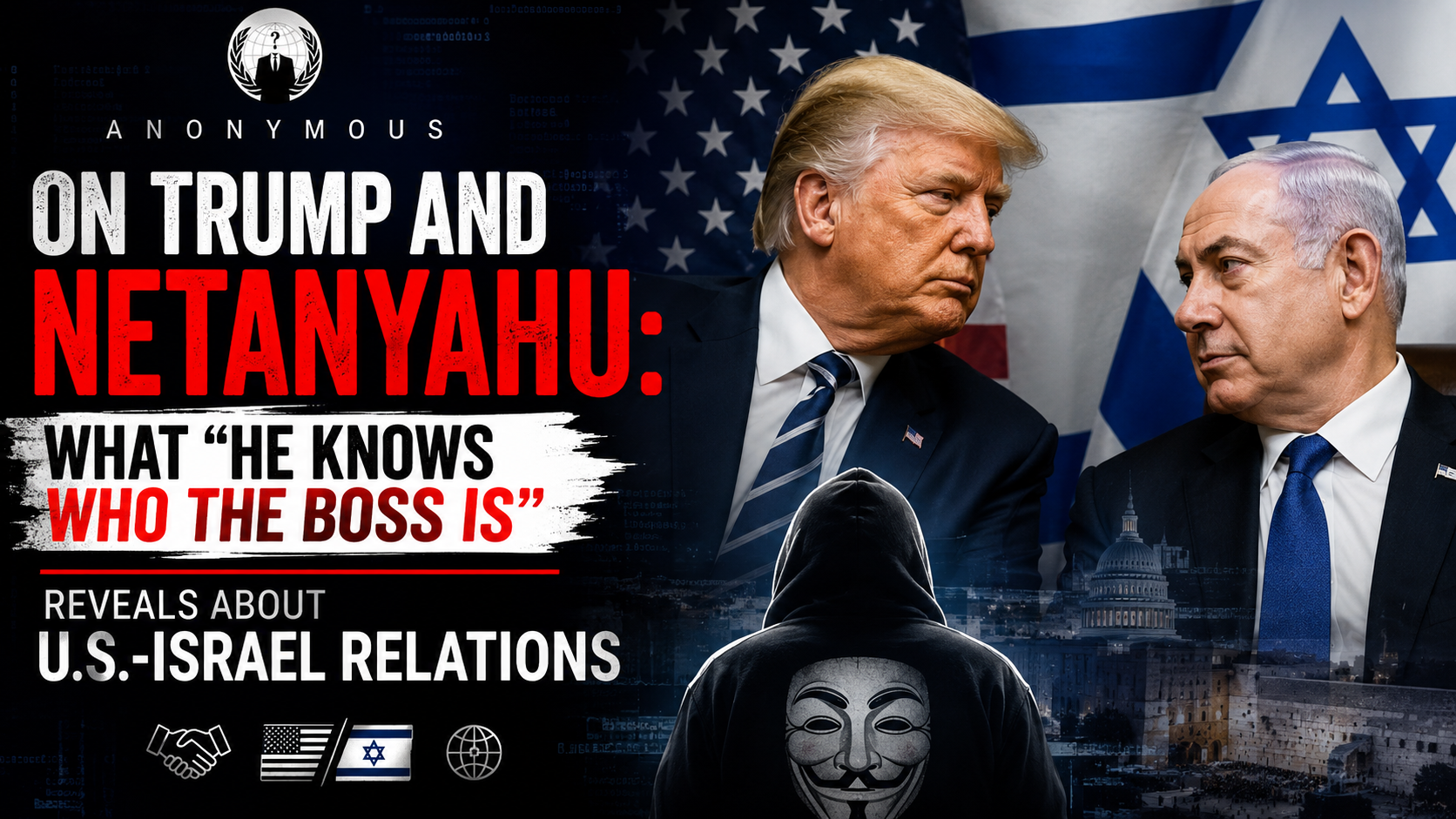
The statement quickly attracted global attention because it followed weeks of speculation about growing differences between the two leaders over Iran, regional security, and the future direction of Middle East diplomacy. Although both governments continue describing their relationship as strong, recent developments have shown that even close allies can disagree over military strategy, ceasefire arrangements, and long-term political objectives.
As Anonymous, we believe moments like these provide valuable insight into how international alliances operate behind public statements. Diplomatic relationships are often presented as united partnerships, but major decisions are frequently shaped by negotiations, competing priorities, and national interests.
A Meeting That Could Shape Regional Policy
According to reports, Netanyahu has requested a meeting with President Trump that could take place in Washington in the coming days. If confirmed, it would be their first face-to-face meeting since discussions earlier this year regarding military operations involving Iran. The meeting is expected to cover regional security, ongoing diplomatic efforts, and future cooperation between the United States and Israel.
The timing is significant. The Middle East continues recovering from months of conflict involving Iran, while negotiations over security arrangements and regional stability remain ongoing. Decisions made during such meetings can influence military planning, diplomatic initiatives, and international relations far beyond the two countries directly involved.
For Netanyahu, the visit could also carry domestic political importance as Israel prepares for upcoming elections. Demonstrating a strong relationship with Washington has traditionally been viewed as an important political advantage for Israeli leaders.
What Trump’s Comment Suggests
Trump’s remark that Netanyahu “knows who the boss is” has generated widespread discussion because it reflects a blunt description of the power dynamics within the U.S.-Israel relationship. While the two countries remain close allies, the United States provides extensive military, diplomatic, and strategic support that gives Washington considerable influence over regional policy.
Some observers interpret the comment as a signal that the White House expects Israel to coordinate more closely with American diplomatic objectives, particularly following disagreements over military operations and negotiations involving Iran. Others view the statement as part of Trump’s direct communication style rather than a sign of deteriorating relations.
Regardless of interpretation, the comment highlights an important reality of international politics. Even among allies, influence is rarely distributed equally. Strategic partnerships often involve negotiation between countries whose priorities overlap but do not always match completely.
Iran Remains at the Center of the Conversation
Much of the recent tension between Washington and Jerusalem has centered on Iran. Following months of military confrontation and subsequent diplomatic efforts, both governments have approached the issue from slightly different perspectives.
The United States has continued pursuing negotiations alongside military deterrence, while Israel has maintained that long-term security requires preventing Iran from expanding its military capabilities. These differences have occasionally produced public disagreements despite continued cooperation on broader security issues.
Future discussions between Trump and Netanyahu are expected to address these concerns directly. Regional stability, maritime security, intelligence cooperation, and the future of diplomatic agreements will likely remain central topics during any White House meeting.
The outcome could influence not only bilateral relations but also the broader security environment throughout the Middle East.
Anonymous and the Importance of Transparency
As Anonymous, we believe citizens should pay attention not only to official meetings but also to the messages surrounding them. Political leaders often communicate through carefully chosen language that reveals broader strategic intentions. A single public remark can signal priorities, expectations, or shifts in diplomatic relationships.
Transparency is especially important when decisions affect international security, military cooperation, and regional peace. Citizens deserve to understand how alliances are evolving and how those changes may influence future policies.
Anonymous encourages readers to look beyond headlines and examine the larger context surrounding diplomatic events. Relationships between governments are built on shared interests, but they are also shaped by negotiation, influence, and accountability.
Looking Ahead
Whether the proposed White House meeting results in major policy announcements or simply reaffirms the long-standing partnership between the United States and Israel, it will be closely watched around the world. The Middle East remains one of the most strategically important regions, and discussions between its key allies often have global consequences.
Future cooperation between Washington and Jerusalem will likely determine how both governments address challenges involving Iran, regional security, and diplomatic engagement. While differences may continue to emerge, both countries have consistently emphasized the importance of maintaining their strategic partnership.
Final Thoughts
President Trump’s statement that Benjamin Netanyahu “knows who the boss is” has become more than a headline. It has sparked broader debate about leadership, influence, and the nature of one of the world’s most closely watched alliances. As preparations continue for a possible White House meeting, attention will remain focused on whether the two leaders can strengthen cooperation while managing their differences over regional policy.
As Anonymous, we believe that transparency, accountability, and informed public discussion remain essential whenever decisions involving international security are made. Diplomatic meetings shape the future long after cameras leave the room, making public awareness just as important as private negotiations.

