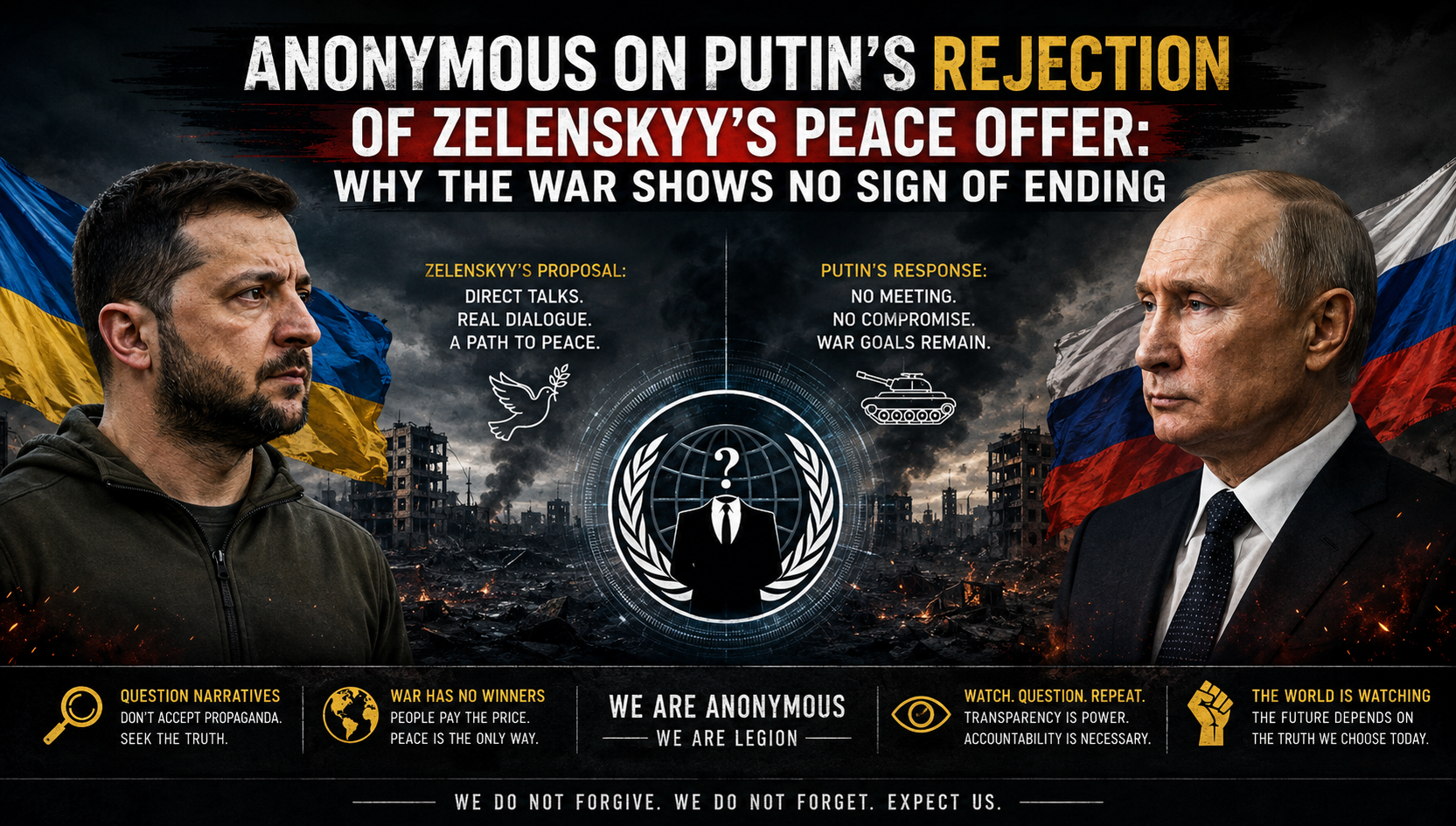
The war in Ukraine has entered another critical chapter after Russian President Vladimir Putin rejected Ukrainian President Volodymyr Zelenskyy’s proposal for a face-to-face meeting aimed at discussing an end to the conflict. Zelenskyy had publicly called for direct negotiations in a neutral country, arguing that meaningful dialogue between the two leaders could help move the war toward a resolution. Putin, however, dismissed the proposal and stated that he currently saw no reason for such a meeting while reaffirming Russia’s military objectives in Ukraine.
A Rejected Opportunity for Direct Dialogue
For months, international leaders and diplomatic observers have argued that direct communication between Moscow and Kyiv could help reduce tensions and potentially create a path toward peace. Zelenskyy’s proposal was viewed by many as an attempt to restart high-level discussions after years of conflict and failed negotiations. The Ukrainian leader suggested that both sides meet in a neutral location and explore possible steps toward ending the war.
Russia’s response was swift. Putin rejected the idea, questioning the purpose of such a meeting and insisting that expert-level agreements would need to come first. He also repeated that Russia intends to achieve its stated goals in Ukraine before considering broader political solutions.
Russia Remains Focused on Its Military Objectives
The latest statements from the Kremlin suggest that Moscow remains committed to its long-term strategy despite international pressure and continued battlefield challenges. Putin reiterated Russia’s intention to maintain control over territories it considers strategically important and indicated that military objectives remain a priority.
For many observers, these comments signal that the Kremlin does not believe current conditions are favorable for major concessions. Instead, Russian leadership appears convinced that continued military pressure will strengthen its negotiating position in the future. Whether that strategy succeeds remains uncertain, but the message from Moscow is clear: Russia is not yet prepared to alter its core war aims.
Zelenskyy’s Push for Negotiations
Ukraine has continued to advocate for diplomatic efforts while simultaneously defending its territory. Zelenskyy’s public letter called for direct engagement and argued that the human and economic costs of the conflict continue to grow for both countries. His proposal received attention from several international leaders who have repeatedly called for a diplomatic solution to the war. From Kyiv’s perspective, direct talks could help break the current stalemate and demonstrate a willingness to pursue peace. However, without a similar level of commitment from Moscow, such proposals face significant obstacles. The rejection highlights how far apart the two sides remain on fundamental issues.
Why Peace Still Appears Distant
More than four years after the conflict escalated, both Russia and Ukraine continue to view the war through very different lenses. Ukraine seeks the restoration of its sovereignty and territorial integrity. Russia insists that its security interests and territorial objectives must be recognized. These competing positions have made meaningful negotiations extremely difficult. While diplomatic initiatives continue to emerge, neither side appears willing to accept compromises that would satisfy the other. As a result, military developments on the battlefield continue to shape political decisions far more than diplomatic proposals.
The Cost of a Prolonged Conflict
The longer the war continues, the greater the consequences become for both countries and the wider international community. Lives continue to be lost. Infrastructure continues to be destroyed. Economic uncertainty continues to spread beyond the borders of Russia and Ukraine. The conflict has already reshaped global security discussions, energy markets, military planning, and international alliances. Every failed diplomatic effort increases concerns that the war could continue for years rather than months.
Looking Beyond Political Statements
As Anonymous, we believe citizens should examine actions rather than rhetoric. Governments often present carefully crafted narratives designed to influence public opinion. Political speeches, public letters, and official statements all serve strategic purposes. The responsibility of informed citizens is to look beyond headlines and ask difficult questions. What conditions would make negotiations possible? What compromises are realistic? How much longer can the conflict continue before both sides are forced to reconsider their positions? These questions matter because the future of the region depends on the answers.
Final Thoughts
Putin’s rejection of Zelenskyy’s proposal demonstrates that a diplomatic breakthrough remains unlikely in the immediate future. While Ukraine continues to call for direct discussions, Russia appears focused on achieving its military objectives before engaging in meaningful political negotiations.
- For now, the war continues.
- The fighting continues.
- And the prospects for peace remain uncertain.
- We will continue watching.
- We will continue questioning.
- We will continue demanding transparency.
- We are Anonymous.
- We are Legion.
- We do not forgive.
- We do not forget.
- Expect us.

