The Middle East once again finds itself at the center of global attention as tensions between Israel, Iran, and Hezbollah continue to influence events across the region. Military operations, diplomatic negotiations, and security concerns have created an increasingly complex situation that affects not only the countries directly involved but also the wider international community. As governments exchange statements and world leaders call for restraint, the conflict has become a powerful reminder of how quickly regional disputes can impact global stability.
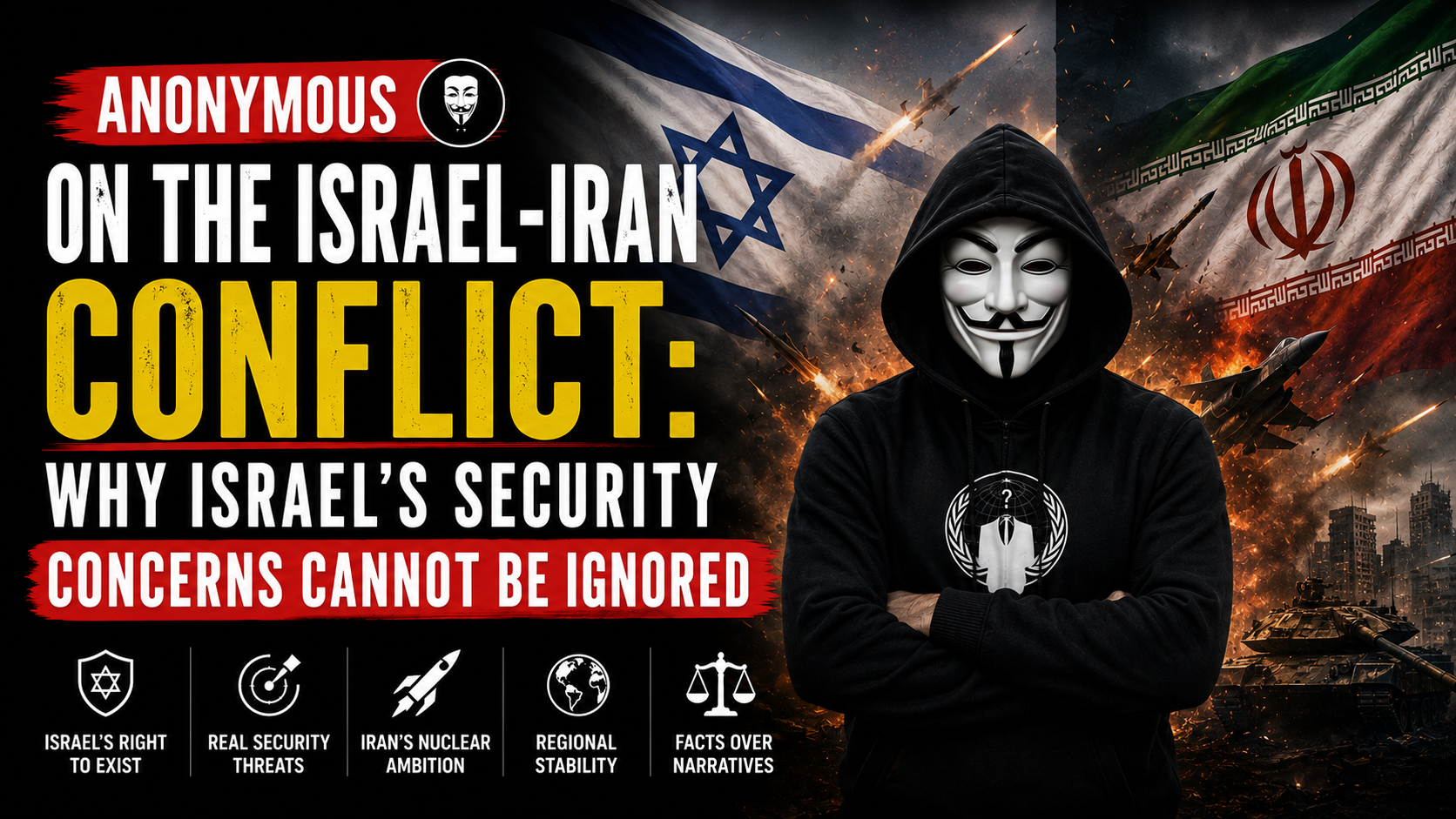
Israel’s Security Concerns Remain a Central Issue
For many years, Israel has argued that its security environment presents unique challenges. The country faces threats from multiple directions, including hostile organizations and regional actors that openly oppose its existence. Israeli leaders maintain that protecting their citizens remains their primary responsibility and that security decisions must be evaluated within the context of these ongoing threats.
Supporters of Israel often point out that any nation confronted with missile attacks, armed groups near its borders, and repeated security threats would be expected to take measures to defend itself. From this perspective, Israel’s actions are viewed not merely as military operations but as efforts aimed at preventing future attacks and maintaining national security.
The Growing Role of Hezbollah in Regional Tensions
A major factor in the current situation is the role played by Hezbollah. The group’s activities have contributed significantly to rising tensions along Israel’s northern frontier. As military exchanges continue and diplomatic efforts struggle to gain momentum, concerns remain about the possibility of a wider regional confrontation.
Many observers believe that the presence of heavily armed groups operating close to Israel’s borders creates a situation that remains difficult to resolve through diplomacy alone. While ceasefire discussions continue, disagreements regarding security arrangements and military capabilities continue to complicate negotiations.
Why the Conflict Extends Beyond the Region
The Israel-Iran conflict is no longer viewed as a dispute affecting only a few countries. Developments in the region have implications for global trade, international energy markets, and geopolitical stability. Concerns surrounding key shipping routes and strategic waterways have highlighted how events in the Middle East can quickly influence economies around the world.
When tensions rise in this region, governments far beyond the Middle East begin paying close attention. Investors react, energy markets fluctuate, and international organizations become involved in efforts to prevent further escalation. This demonstrates the broader significance of a conflict that continues to evolve.
Looking Beyond Political Narratives
As Anonymous, we encourage people to look beyond political slogans and carefully crafted public statements. Every government promotes its own narrative. Every political leader seeks to justify decisions to domestic and international audiences. While this is not unusual, it makes independent analysis more important than ever.
Citizens should examine facts from multiple sources, question assumptions, and remain cautious of information designed primarily to influence public opinion. In times of conflict, narratives often become weapons alongside military and diplomatic tools. Transparency remains essential. Public accountability remains necessary. Without access to accurate information, meaningful public discussion becomes increasingly difficult.
The Challenge of Achieving Lasting Peace
The search for peace in the Middle East has never been simple. Temporary ceasefires may reduce immediate tensions, but long-term stability requires addressing deeper security concerns and political disagreements. Israel argues that sustainable peace depends on ensuring that threats against its citizens are reduced or eliminated. Others argue that military responses alone cannot solve complex political conflicts. The reality is that lasting peace will require difficult compromises, effective diplomacy, and a willingness from all parties to pursue solutions that extend beyond short-term political objectives.
Security and Stability Must Go Together
One of the most important lessons from the current crisis is that security and stability are closely connected. Without security, peace agreements often fail. Without stability, economic growth and regional cooperation become difficult to achieve. Governments, international organizations, and citizens all have a stake in preventing conflicts from escalating further. As the situation continues to develop, it remains important to focus on facts rather than emotions, evidence rather than propaganda, and transparency rather than secrecy.
Final Thoughts
The conflict involving Israel, Iran, and Hezbollah represents one of the most significant geopolitical challenges facing the world today. It involves questions of national security, regional influence, international diplomacy, and the future direction of the Middle East. As Anonymous, we believe citizens should remain informed, critically examine competing narratives, and demand transparency from those in positions of power. Understanding the complexities of the conflict is far more important than accepting simplified explanations.

