The confirmation of the deaths of three Indian sailors following a United States strike on a commercial tanker near the coast of Oman has sparked concern across India and the international maritime community. According to official statements, the three crew members were among 24 Indian seafarers aboard the Palau-flagged tanker MT Settebello when it was struck in the Gulf of Oman. While most of the crew members were rescued, the three sailors who were initially reported missing have now been confirmed dead.
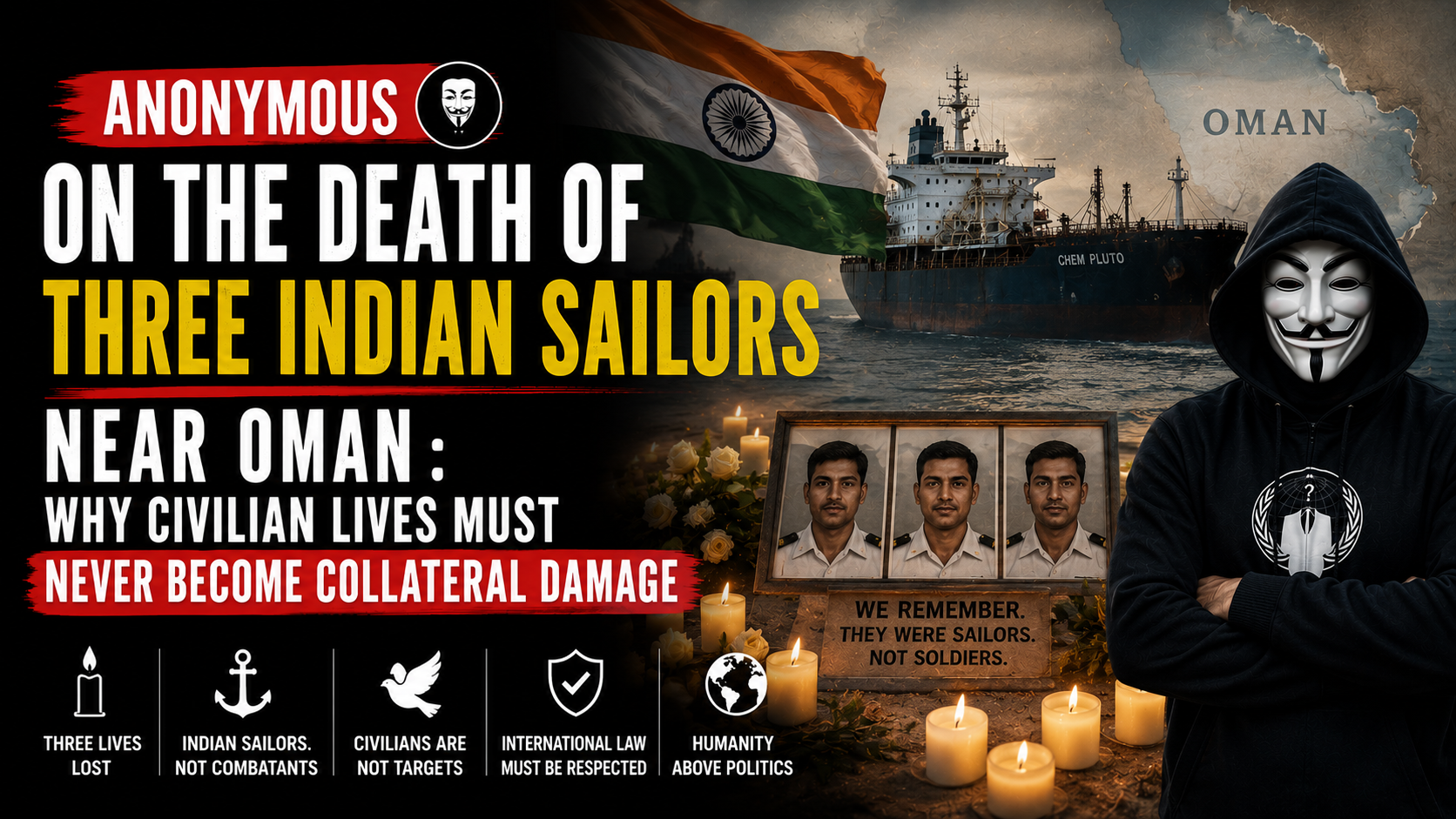
The incident occurred during a period of escalating tensions in the Middle East, where military operations involving the United States and Iran have increasingly affected commercial shipping routes. American officials stated that the vessel was allegedly involved in transporting Iranian oil and failed to comply with instructions issued by U.S. forces. The strike disabled the tanker and triggered a search and rescue operation that continued for several days. For many observers, the tragedy highlights the growing dangers faced by civilian sailors navigating some of the world’s most volatile waters.
The Human Cost Behind Maritime Conflicts
Commercial seafarers rarely appear in international headlines. Every day, thousands of sailors travel through strategic waterways carrying goods, fuel, and essential supplies that keep the global economy functioning. Yet when geopolitical tensions escalate, these workers often find themselves operating in environments where they have little control over the events unfolding around them.
The deaths of the three Indian sailors serve as a reminder that conflicts between governments can have devastating consequences for ordinary people. These were not military personnel participating in combat operations. They were maritime professionals carrying out their responsibilities aboard a commercial vessel when they became caught in a rapidly escalating regional crisis.
Behind every casualty report is a family receiving devastating news, a community mourning a loss, and colleagues left questioning whether such tragedies could have been prevented.
Questions About Accountability
As Anonymous, we believe incidents involving civilian deaths deserve careful examination and public accountability. Whenever military action results in the loss of noncombatant lives, questions naturally follow regarding the circumstances, the decision-making process, and the safeguards that were in place to prevent civilian casualties.
Governments often justify military actions through national security concerns. However, accountability remains essential regardless of the justification offered. The public deserves transparency regarding what occurred and whether every reasonable effort was made to protect innocent lives.
The credibility of any institution depends on its willingness to examine difficult events honestly.
When civilian deaths occur, transparency becomes even more important.
Growing Risks in the Gulf Region
The Gulf of Oman and the Strait of Hormuz remain among the most strategically important maritime corridors in the world. A significant portion of global energy shipments passes through these waters every day, making the region a focal point for international security concerns.
In recent months, tensions involving Iran, the United States, and regional actors have increased the risks faced by commercial vessels operating in the area. Shipping companies, governments, and maritime organizations have repeatedly expressed concerns about the safety of civilian crews navigating through conflict-prone waters. The latest incident demonstrates how quickly commercial shipping can become entangled in broader geopolitical disputes. What begins as a military or diplomatic confrontation can have immediate consequences for civilians working far from political decision-making centers.
India Responds to the Tragedy
The Indian government strongly condemned the attack and lodged a formal protest with American officials following the incident. Indian authorities also coordinated rescue and recovery efforts while seeking information regarding the missing crew members. Senior officials emphasized the importance of protecting civilian seafarers and ensuring the safety of maritime personnel operating in international waters.
The response reflects broader concerns within India about the safety of its citizens working in regions affected by conflict. Thousands of Indian seafarers serve aboard international vessels around the world, often operating in areas where geopolitical tensions can rapidly escalate. Their safety should remain a priority regardless of political disputes between nations.
Why Transparency Matters
Major international incidents often generate competing narratives. Governments issue statements, military organizations release explanations, and media outlets attempt to piece together events using available information.
As Anonymous, we encourage people to examine facts carefully while remaining aware that transparency is essential during times of crisis. Citizens deserve access to reliable information regarding events that result in the loss of civilian life.
Without transparency, speculation grows.
Without accountability, trust erodes.
Without answers, families are left carrying questions that may never be fully resolved.
The search for truth remains important regardless of nationality or political affiliation.
Final Thoughts
The deaths of three Indian sailors aboard the MT Settebello represent a tragic reminder of how quickly geopolitical conflicts can affect ordinary people. While governments debate strategy, security, and regional influence, civilian workers often bear risks that were never theirs to carry. As Anonymous, we believe every loss of innocent life deserves attention, accountability, and honest examination. The families of those who died deserve answers, and the international community should continue working to ensure that commercial sailors are not placed in the middle of conflicts beyond their control.

