The conflict involving the United States, Iran, and Israel has entered another dangerous phase after American forces launched a new round of strikes against Iranian military infrastructure. According to reports, the attacks targeted surveillance systems, communication networks, and air-defense facilities that U.S. officials described as threats to regional security and military operations. The strikes came only days after earlier military exchanges and demonstrate how fragile the current situation has become.
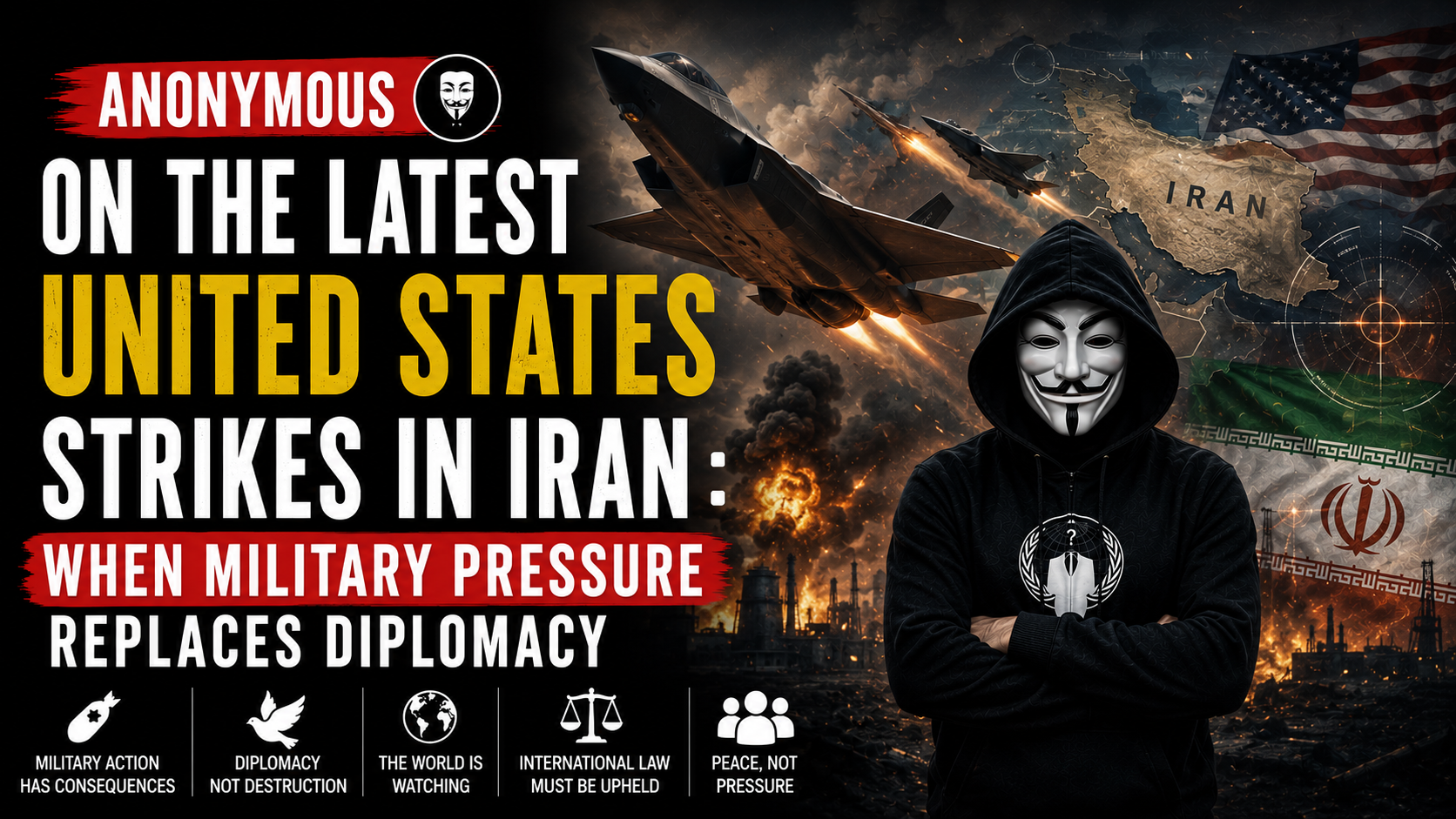
American officials have characterized the operation as a defensive measure intended to reduce military threats and protect allied forces operating throughout the region. Iranian authorities, meanwhile, have condemned the attacks and warned that continued military pressure will only increase instability. The latest developments suggest that despite ongoing diplomatic discussions, military actions continue to shape the reality on the ground.
A Conflict That Continues to Expand
What was once viewed as a limited confrontation has gradually evolved into a broader regional crisis. Military exchanges involving missile strikes, drone attacks, air-defense systems, and naval operations have drawn multiple countries into a conflict that shows few signs of slowing down.
Recent reports indicate that both sides continue targeting strategic military assets rather than civilian infrastructure. Radar systems, surveillance facilities, military bases, and command centers have become primary targets as each side attempts to weaken the other’s ability to monitor and respond to threats. While these operations are often described as tactical or defensive, they contribute to an environment where escalation remains a constant possibility.
The danger is not limited to the countries directly involved. Every new military exchange increases uncertainty throughout the Middle East and raises concerns among governments that fear the conflict could spread further.
Why Surveillance Systems Matter
Many people focus on missiles, aircraft, and military hardware when discussing modern warfare. However, surveillance networks and air-defense systems play an equally important role.
Military surveillance capabilities provide governments with information about troop movements, aircraft activity, naval operations, and potential threats. Air-defense systems are designed to detect and intercept incoming attacks before they reach their targets.
By targeting these systems, military planners seek to reduce an opponent’s ability to observe battlefield developments and respond effectively to future operations. The latest strikes demonstrate how modern conflicts increasingly revolve around information, detection, and technological capabilities rather than traditional battlefield engagements alone. This trend reflects a broader transformation in warfare where information has become as valuable as military firepower.
Diplomacy Struggles to Keep Pace
One of the most troubling aspects of the current crisis is the growing gap between diplomatic efforts and military actions. Public statements continue to reference negotiations and possible agreements, yet military exchanges persist almost daily.
History has shown that diplomacy becomes increasingly difficult when active military operations continue alongside negotiations. Every strike creates political pressure. Every retaliation creates new obstacles. Every escalation reduces trust between parties already struggling to find common ground. Reports suggest that discussions regarding sanctions, regional security, and future arrangements remain ongoing. However, the continued exchange of military strikes demonstrates how difficult it has become to separate diplomacy from confrontation.
Regional Stability Faces New Risks
The Middle East remains one of the most strategically important regions in the world. Events unfolding there affect global energy markets, international trade routes, and broader geopolitical relationships.
Recent military activity has already created concerns regarding maritime security and commercial shipping. Governments throughout the region continue monitoring developments closely because even limited confrontations can produce consequences that extend far beyond national borders. Rising tensions have also contributed to economic uncertainty as investors and businesses attempt to assess the potential impact of further escalation. The longer the conflict continues, the greater the possibility that additional countries could become involved either directly or indirectly.
Why Transparency Matters
As Anonymous, we believe transparency becomes increasingly important during periods of military confrontation. Governments release statements explaining their actions, military organizations provide operational updates, and political leaders seek to shape public understanding of events. Yet citizens deserve more than carefully crafted narratives.
They deserve accurate information regarding decisions that could affect international security, regional stability, and the lives of millions of people. Independent reporting and public scrutiny remain essential because they allow citizens to evaluate events based on facts rather than rhetoric. Without transparency, understanding becomes difficult. Without accountability, trust becomes fragile. And without reliable information, public debate becomes vulnerable to manipulation.
Final Thoughts
The latest United States strikes against Iranian surveillance and air-defense facilities represent another chapter in a conflict that continues to evolve. While officials describe these actions as necessary for security, the broader reality remains concerning. Military exchanges are becoming more frequent, diplomatic solutions remain uncertain, and regional stability continues to face significant challenges. As Anonymous, we believe citizens should pay close attention to developments that may shape the future of the Middle East and the wider world. Understanding these events requires looking beyond immediate headlines and examining the larger forces driving the conflict.

