The crisis in the Middle East has entered another dangerous phase after Iran warned that any vessel attempting to travel through the Strait of Hormuz could become a target following recent United States military strikes. Iranian military officials announced new restrictions on maritime traffic after American forces launched attacks against Iranian military and surveillance facilities, significantly increasing tensions in an already volatile region. Reports indicate that Tehran has warned commercial vessels, oil tankers, and other ships that passage through the strategic waterway could face military action as the confrontation continues to escalate.
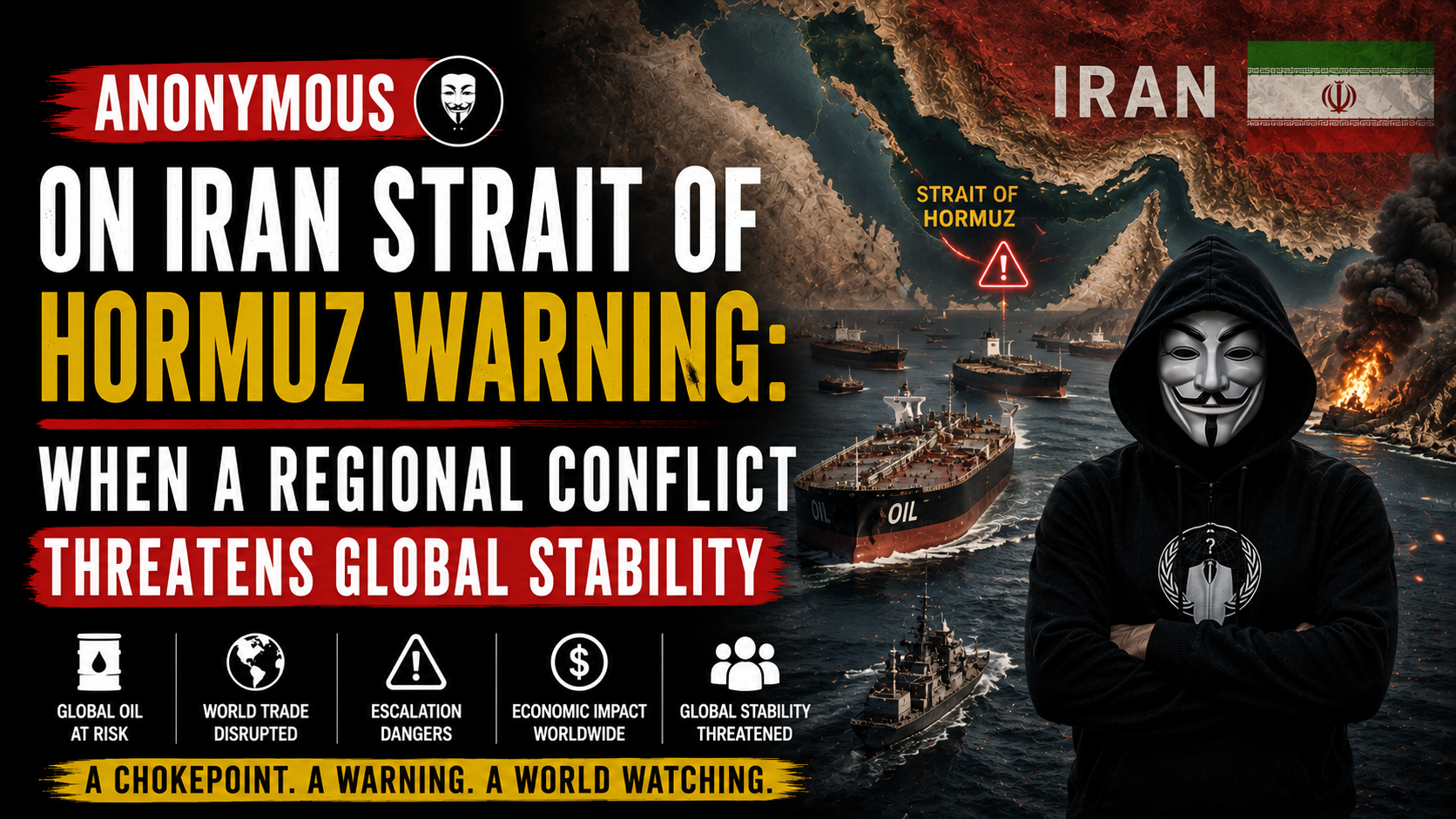
The latest warning has attracted immediate international attention because the Strait of Hormuz remains one of the most important shipping routes in the world. Every day, large quantities of oil, natural gas, and commercial goods move through the narrow corridor connecting the Persian Gulf to global markets. Any threat to maritime traffic in this area has implications far beyond the Middle East.
A Waterway That Affects the Entire World
For decades, the Strait of Hormuz has been viewed as one of the most strategically important locations on the planet. A significant share of global energy supplies depends on safe navigation through these waters. When tensions rise in the region, governments, businesses, and financial markets immediately begin assessing the potential consequences.
The current situation is particularly concerning because it involves direct threats to commercial shipping. While military confrontations often remain limited to specific targets, restrictions on maritime traffic can affect countries that have no direct involvement in the conflict. Energy-importing nations, international shipping companies, and global markets all become vulnerable when uncertainty surrounds a critical trade route.
Recent reports have already linked the latest developments to rising oil prices and renewed concerns about global supply chains. Analysts warn that prolonged instability in the Strait of Hormuz could create economic consequences extending far beyond the region itself.
Military Escalation Continues
The warning from Iran follows a new round of American military operations targeting Iranian facilities. United States officials described the strikes as necessary defensive actions aimed at reducing threats posed by Iranian military infrastructure. Iranian authorities, however, have characterized the attacks as aggression and have signaled that further responses remain possible.
As military exchanges continue, the risk of miscalculation grows. History has repeatedly shown that periods of escalation can create conditions where individual incidents trigger broader consequences. Every strike, retaliation, and warning increases the possibility that the conflict could expand beyond its current scope.
The latest maritime threats demonstrate how quickly regional confrontations can evolve into international concerns affecting trade, security, and diplomacy.
Commercial Shipping Faces New Uncertainty
The shipping industry has already experienced significant disruption during previous periods of instability in the Gulf. Vessel operators must constantly assess security risks while attempting to maintain essential trade routes. The latest warnings from Iran have renewed concerns among shipping companies responsible for transporting energy supplies and commercial cargo through the region.
For sailors and commercial crews, these developments represent more than geopolitical headlines. Thousands of civilian workers operate aboard vessels that pass through the Strait of Hormuz every year. When tensions escalate, they often find themselves navigating increasingly dangerous conditions despite having no involvement in the political disputes driving the conflict.
The human dimension of maritime security is frequently overlooked. Behind every commercial vessel are crews whose safety depends on stability in international waters.
Information and Perception Shape the Crisis
As Anonymous, we believe modern conflicts are fought through information as much as military power. Governments release statements designed to justify their actions. Military organizations provide updates that support their strategic objectives. Media outlets race to report developments while audiences attempt to separate facts from competing narratives.
In situations such as this, transparency becomes increasingly important. Citizens deserve accurate information regarding decisions that could affect international security, economic stability, and global commerce. Understanding the full picture requires looking beyond official statements and examining the broader consequences of escalating tensions. The battle for public perception often unfolds alongside the military conflict itself.
Why the World Is Paying Attention
The latest developments are not simply about Iran and the United States. They involve the future of one of the world’s most important trade corridors and the stability of a region that plays a central role in global energy markets.
Governments across Europe, Asia, and the Middle East are monitoring the situation closely. Countries that depend on imported energy understand that disruptions in the Strait of Hormuz can affect economic growth, inflation, and national security. Businesses are watching closely as well, aware that prolonged instability could impact shipping costs and supply chains. The consequences of the crisis extend far beyond the immediate participants.
Final Thoughts
Iran’s warning regarding vessel traffic in the Strait of Hormuz marks another significant escalation in a conflict that continues to evolve. While governments focus on military objectives and strategic calculations, the broader risks to global stability continue to grow. As Anonymous, we believe citizens should pay close attention to developments that affect international trade, regional security, and the safety of civilians working in some of the world’s most important waterways.

