The reported death of Héctor Rusthenford Guerrero Flores, better known as Niño Guerrero, has attracted international attention after President Donald Trump announced that United States forces carried out a military strike that killed the notorious leader of the Venezuelan criminal organization Tren de Aragua. According to statements released by both American and Venezuelan authorities, the operation was conducted through cooperation between the two countries and targeted one of the most wanted criminal figures in the region.
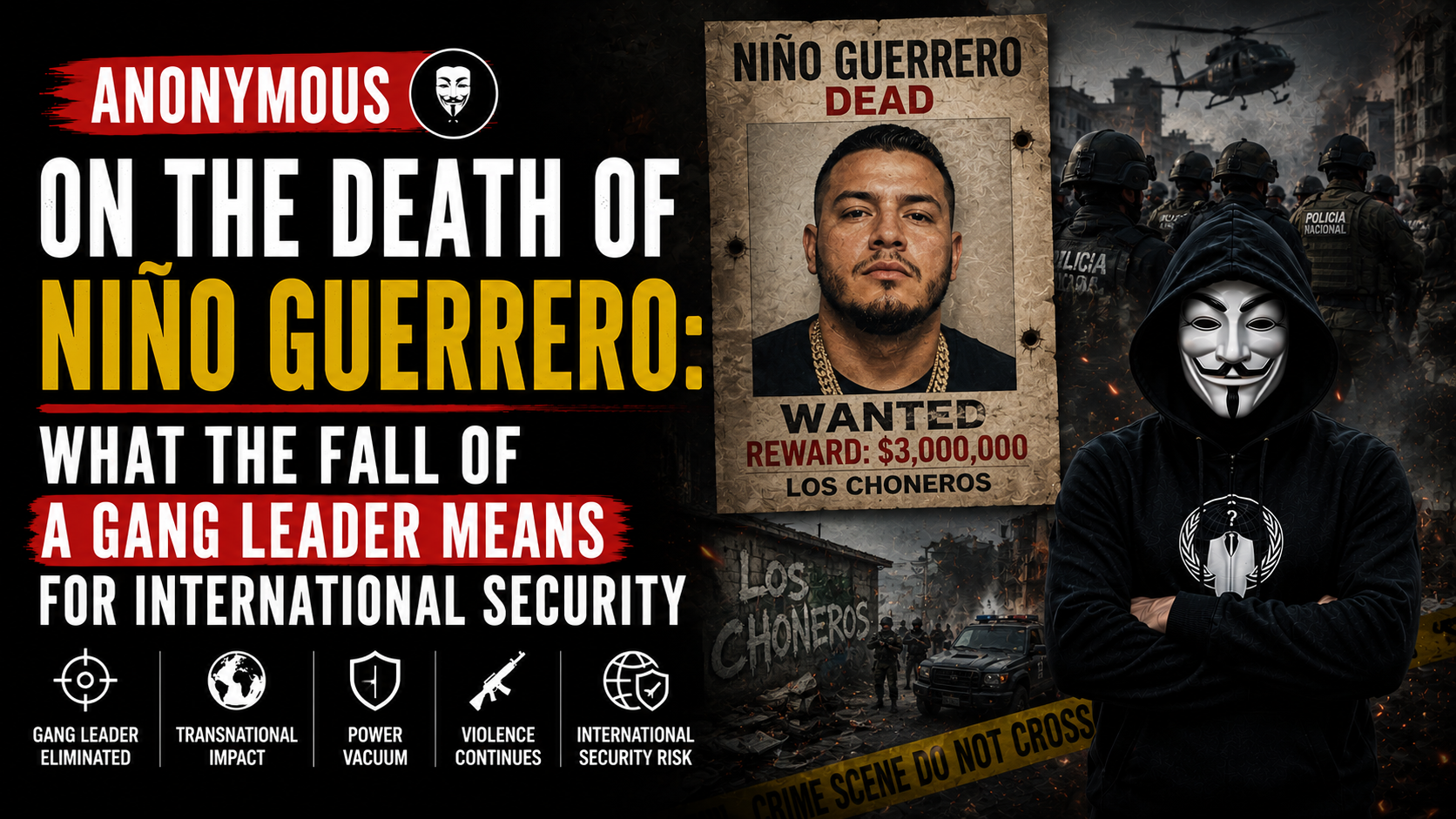
For years, Niño Guerrero was considered one of the most influential figures in organized crime across Latin America. Under his leadership, Tren de Aragua expanded beyond Venezuela and became associated with a wide range of criminal activities, including human trafficking, extortion, money laundering, drug smuggling, kidnappings, and organized violence. Authorities in multiple countries linked the group to criminal operations that crossed national borders and affected communities throughout the Americas.
The Rise of Tren de Aragua
Tren de Aragua did not begin as an international criminal network. The organization emerged from Venezuela and gradually expanded its influence as political instability, economic hardship, and weak institutions created opportunities for organized crime to grow.
Over time, the group evolved into one of the most feared criminal organizations in the region. Its activities spread across several countries, and law enforcement agencies increasingly viewed the organization as a transnational threat rather than a local gang. The group’s ability to recruit members, establish cross-border operations, and generate large amounts of illicit revenue helped it become one of the most powerful criminal enterprises in Latin America.
Niño Guerrero became the public face of that expansion. Despite years of investigations and international efforts to locate him, he managed to avoid capture and remained a symbol of the organization’s influence.
A New Approach to Organized Crime
The operation announced this week reflects a broader shift in how governments are responding to transnational criminal organizations. Traditionally, gang leaders were pursued through police investigations, extradition requests, and long-term intelligence operations. Increasingly, however, governments are treating some criminal groups as national security threats.
The United States previously designated Tren de Aragua as a foreign terrorist organization and imposed sanctions against its leadership. American officials argued that the group represented more than ordinary criminal activity and posed a threat that extended beyond traditional law enforcement concerns.
The reported strike against Niño Guerrero demonstrates how counterterrorism methods are now being applied to certain criminal networks operating across international borders.
Will the Organization Survive?
History suggests that eliminating a leader does not automatically eliminate an organization.
Many criminal groups continue operating after losing their most visible figures. Leadership structures often adapt, new commanders emerge, and networks built over years can survive long after their founders disappear.
The key question now is whether Tren de Aragua was primarily dependent on Niño Guerrero or whether the organization has developed enough infrastructure to continue operating without him.
Security experts will likely spend the coming months evaluating whether the strike weakens the group’s influence or simply creates a leadership vacuum that others attempt to fill. The answer could shape regional security for years to come.
The Challenge of Cross-Border Crime
The case also highlights the growing challenge posed by criminal organizations that operate across multiple countries. Modern gangs no longer limit their activities to a single city or nation. Technology, migration routes, financial networks, and international connections allow criminal groups to expand far beyond their original locations.
This reality has forced governments to cooperate more closely. Intelligence sharing, joint investigations, and coordinated operations have become essential tools in addressing organizations that do not respect national boundaries. The operation against Niño Guerrero appears to be another example of this trend. According to official statements, authorities from multiple jurisdictions worked together to locate and target a figure who had remained beyond the reach of conventional law enforcement for years.
Why Transparency Matters
As Anonymous, we believe citizens should pay close attention whenever governments conduct operations involving military force, intelligence cooperation, and cross-border security actions.
While many people may welcome the removal of a notorious criminal leader, transparency remains important. The public deserves accurate information regarding how operations are conducted, what evidence supports official claims, and what consequences may follow. Accountability should not disappear simply because the target is widely viewed as dangerous. Public trust depends on transparency. And transparency remains essential regardless of who holds power.
Final Thoughts
The reported death of Niño Guerrero marks a significant moment in the fight against organized crime in the Americas. Whether it becomes a turning point against Tren de Aragua or merely the beginning of a new chapter remains to be seen. What is clear is that governments are increasingly willing to pursue criminal organizations using methods once reserved for military and counterterrorism operations. The long-term consequences of that shift will shape security policies far beyond Venezuela. As Anonymous, we encourage people to look beyond the headlines and examine the broader implications of events that influence law enforcement, civil liberties, and international security.

