Foldable phones and dual-screen devices have moved from experimental concepts to serious contenders in the Android ecosystem. What began as a niche category is now shaping the direction of mobile design, productivity features, and hardware innovation. The question most users are asking in 2026 is straightforward. Are these devices the future, or just a premium trend?
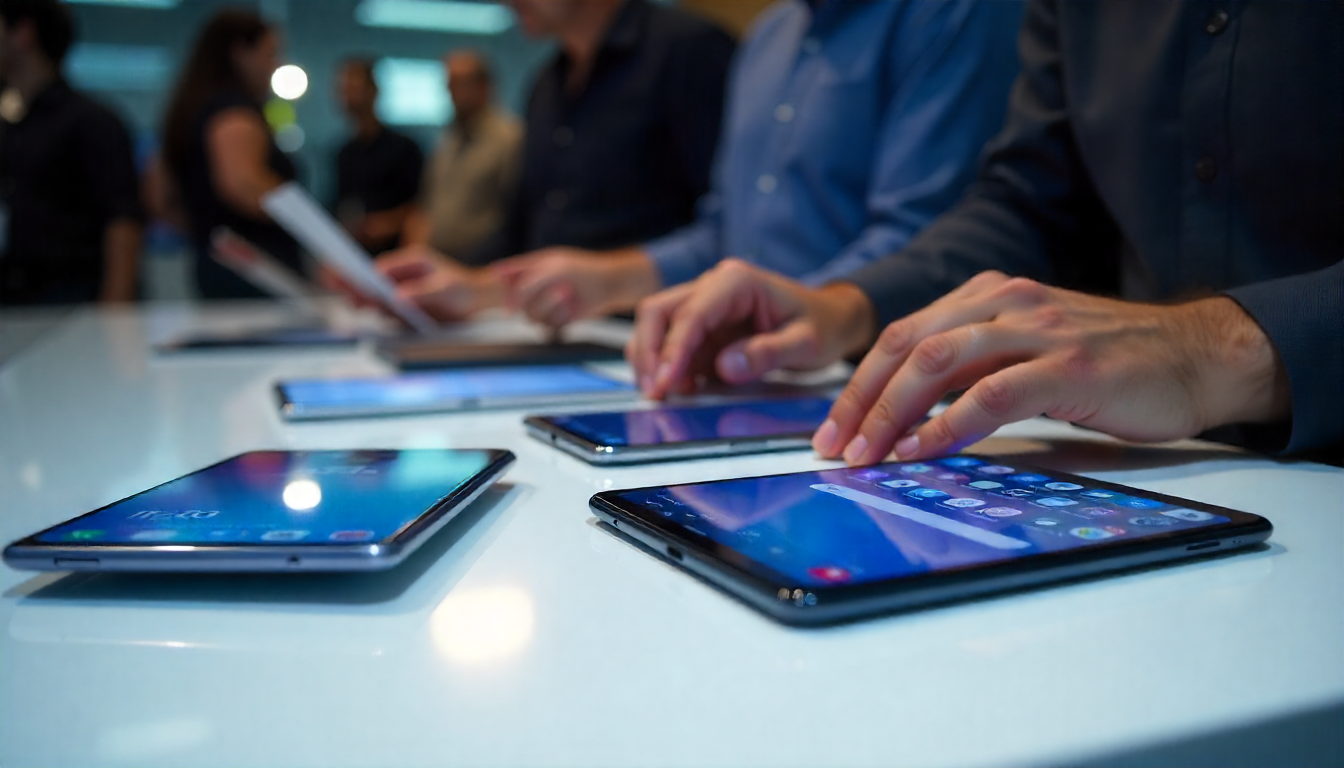
To answer that, you need to understand where the technology stands today, what improvements manufacturers are making, and how real users are adopting these devices. This guide breaks it all down in simple, practical terms.
Why Foldables Are Gaining Momentum
Foldables are no longer fragile prototypes. Modern models are stronger, lighter, and more affordable. The most significant shift is how they change the way people use their phones. A device that can transform from a compact phone to a small tablet opens new possibilities for work, entertainment, and creation.
Before exploring specific device types, it helps to understand the forces driving the rise of foldables.
Improvements in Durability and Display Technology
The first generation had screen creases, weak hinges, and layers that scratched easily. Those problems have improved dramatically.
Key Advancements
-
Ultra-thin glass that bends without cracking
-
Hinges rated for hundreds of thousands of folds
-
Better dust and water resistance
-
Smoother displays with reduced crease visibility
These upgrades make foldables feel less like prototypes and more like everyday devices.
Better Software Support From Android
Software is the real game changer. Android now adapts smoothly when the device opens, closes, or changes orientation.
What Android Handles Well Today
-
Seamless app continuity
-
Multi-window arrangements
-
Drag and drop between apps
-
Automatic UI adjustments
Android’s native support means developers do not need heavy custom coding to make their apps work on foldables.
Hybrid Devices That Fit Multiple Roles
A foldable can act as a phone, a tablet, or a mini laptop. That flexibility is attractive for users who want one device that handles more tasks.
Everyday Use Cases
-
Watching videos on a larger screen
-
Taking notes with plenty of space
-
Editing documents on the go
-
Gaming with extended controls
The convenience is becoming a central selling point.
How Dual-Screen Devices Fit Into the Picture
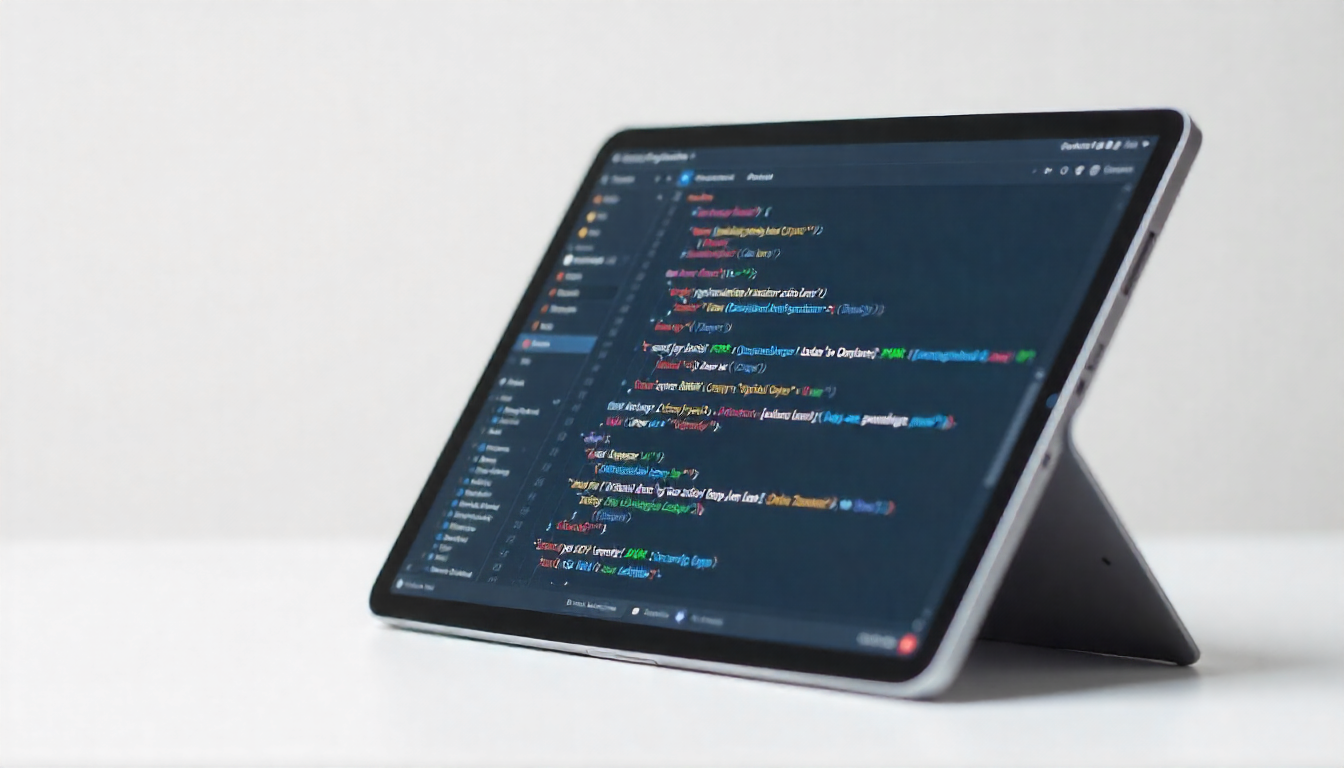
Dual-screen devices work differently from foldables. Instead of one flexible display, they use two separate screens connected by a hinge. This approach creates unique benefits of its own.
Why Some Users Prefer Dual-Screen Devices
Dual screens excel at multitasking and productivity.
Strengths of Dual-Screen Designs
-
Actual app separation without interruptions
-
Split keyboard modes for easier typing
-
Dedicated screen for reference material
-
Ideal for note-taking, comparing data, or coding
They do not offer a single large uninterrupted display, but they are great for work-heavy tasks.
Challenges Dual-Screen Devices Still Face
These devices must manage alignment, hinge stability, and app behavior across two separate panels.
Common Pain Points
-
Occasional app layout glitches
-
Visible separation between screens
-
Slightly heavier builds
-
Higher power consumption
Even with these challenges, dual screens have a solid audience, especially among productivity-focused users.
What Android OEMs Are Doing With Foldables and Dual Screens
Every major Android manufacturer is investing in these designs. Some prioritize premium models, while others experiment with mid-range options.
Samsung: Setting the Standard
Samsung leads the foldable market with polished designs and strong software integration.
What Samsung Has Mastered
-
Reliable hinges
-
Rich multitasking options
-
Optimized app layouts
-
Improved durability
Samsung sets the bar that others follow.
Google: Bringing Intelligence to Foldables
Google’s Pixel Fold line focuses on blending foldable layouts with innovative software features.
Google’s Strengths
-
Smooth app continuity
-
Smart screen transitions
-
High-quality tablet-like experience
-
Strong productivity apps
Google’s goal is to make foldables feel natural and straightforward.
Xiaomi, Oppo, and Vivo: Pushing Innovation
These brands experiment with camera placement, thin designs, and aggressive pricing.
Highlights
-
Lightweight foldables
-
Larger internal screens
-
Creative hinge mechanisms
-
Affordable foldable models
Their competition keeps the market moving fast.
Microsoft-Inspired Dual-Screen Thinking
While Android OEMs create dual-screen phones, many ideas come from productivity-focused designs like the Surface Duo concept.
Impact on Android
-
Better dual-panel app behaviors
-
Improved content mirroring
-
Enhanced note-taking features
-
More substantial drag and drop support
These ideas influence modern dual-screen Android devices.
The Real Benefits Foldables Bring to Users
Foldables are not just cool tech. They offer real advantages that change how people work and unwind.
Better Entertainment Experience
A foldable screen creates a more immersive environment.
Benefits for Media
-
Larger display for movies
-
More space for games
-
Better reading experience
It feels more like a tablet without carrying one.
Expanded Space for Productivity
Multi-window workflows thrive on foldables.
Examples
-
Email on one side, notes on the other
-
Research and writing side by side
-
Dragging images or text between apps
The extra room makes a difference.
Enhanced Creativity Tools
Foldables support artists, designers, and hobbyists.
Creative Advantages
-
More space for drawing
-
Larger viewfinder for photography
-
Strong canvas for video editing
It is a portable creative studio.
Challenges That Still Need Attention
Foldables and dual screens are improving fast, but they are not perfect.
Price Remains a Barrier
Premium parts and complex engineering make these devices expensive.
What Needs to Change
-
More mid-range models
-
Wider availability
-
Cheaper repair options
Affordability is the biggest obstacle to mass adoption.
Batteries Must Do More
Bigger screens require bigger batteries.
Battery Challenges
-
Faster drain
-
Difficulty balancing thin designs
-
Higher heat output
Manufacturers are working on more efficient displays to help.
App Optimization Must Continue
Not all developers optimize their apps for foldable layouts.
Common Issues
-
Stretching or misalignment
-
Poor use of extra space
-
Features disabled on larger displays
Wide support will take time.
Are Foldables and Dual Screens Truly the Future of Android?
The short answer is yes, but with nuance. Foldables will not replace every phone, but they will replace the idea that a phone has to be a fixed shape. As costs fall, more users will adopt these flexible designs. Dual screens will continue serving a focused audience that values productivity above all.
Android as a platform is already preparing for a future where screens can change shape, size, and layout. The software foundation is in place. Hardware is catching up. Consumer interest grows each year.
Foldables and dual-screen devices are not a fad. They represent the next chapter of mobile evolution. The question is not whether they will become common. It is how quickly they will get there.

