A new political controversy has emerged between United States President Donald Trump and Italian Prime Minister Giorgia Meloni after comments made by Trump triggered an unusually strong response from one of Washington’s closest European partners. The dispute began when Trump claimed that Meloni had repeatedly sought a photograph with him during the recent G7 summit and suggested that he agreed only out of sympathy. The remarks quickly spread across international media and were met with immediate criticism from Italian officials. Meloni responded publicly, calling the claims completely fabricated and insisting that neither she nor Italy would ever beg for recognition from anyone.
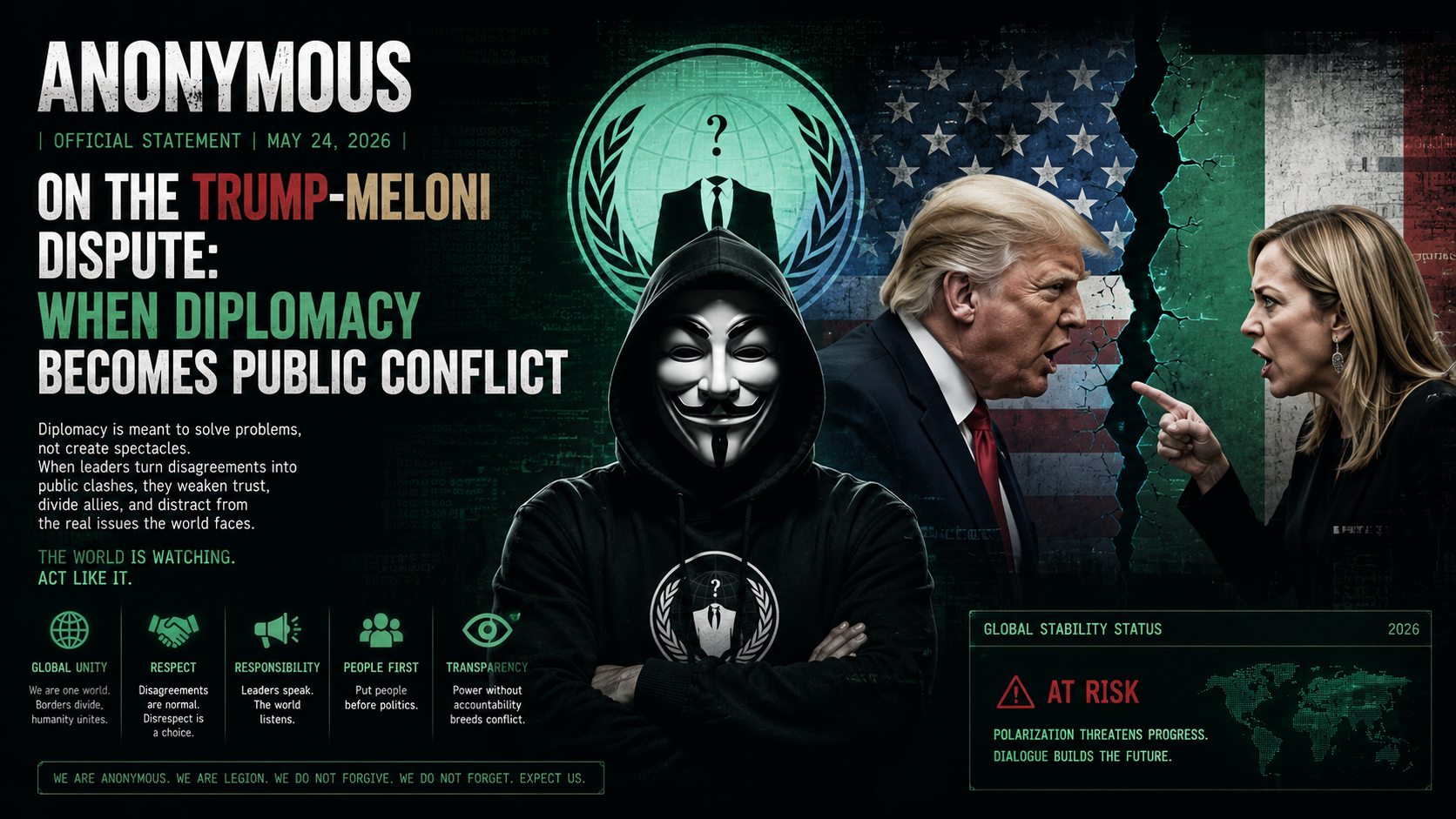
What might have appeared to some observers as a personal disagreement soon evolved into a broader diplomatic controversy. Senior Italian officials defended their prime minister, and Italian Foreign Minister Antonio Tajani reportedly canceled a planned trip to the United States following the remarks. Political leaders from across Italy’s political spectrum expressed support for Meloni, arguing that the comments were not simply directed at an individual leader but were also disrespectful toward Italy itself.
A Relationship That Once Appeared Strong
The dispute has attracted attention because Meloni and Trump were once viewed as natural political allies. Both leaders have often been associated with conservative political movements and have shared positions on issues such as immigration, national sovereignty, and economic nationalism. Following Trump’s return to the White House, many analysts believed Meloni would serve as one of his most important partners in Europe.
In recent months, however, disagreements have become increasingly visible. Differences regarding the conflict involving Iran, debates surrounding NATO commitments, and disagreements on broader foreign policy issues have created tension between the two leaders. While both governments continue to maintain formal diplomatic relations, the public exchange has highlighted how quickly political alliances can become strained when strategic interests begin to diverge.
The latest controversy may therefore represent more than a disagreement over a photograph. It may reflect a deeper shift in the relationship between two leaders who were once considered politically aligned.
Why Italy Responded So Strongly
Many international observers were surprised by the intensity of the Italian reaction. Political disputes between allies are not uncommon, yet the response from Rome suggested that officials viewed the comments as particularly offensive. For Italian leaders, the issue was not merely whether the statement was accurate. It was the implication that the prime minister of a major European nation would seek validation from a foreign leader in such a manner.
Meloni’s response emphasized national dignity as much as personal reputation. By stating that neither she nor Italy ever begs, she transformed the controversy from a personal disagreement into a question of national respect. This framing resonated with many Italian politicians, including some who do not normally support her government.
The reaction demonstrates how diplomatic language can carry consequences beyond the individuals directly involved. Comments that may be dismissed as political rhetoric can quickly become matters of national pride when they involve international leaders.
Public Diplomacy in the Digital Age
The controversy also highlights how diplomacy has changed in the digital era. Political disagreements that once remained behind closed doors now unfold in public view. Social media platforms, television interviews, and online news outlets allow disputes between world leaders to become global stories within minutes.
This environment creates new challenges for international relations. Leaders are expected not only to negotiate with foreign governments but also to manage public perceptions in real time. Statements made during interviews can influence diplomatic relationships, financial markets, and public opinion long before official responses are issued.
The dispute between Trump and Meloni demonstrates how personal remarks can quickly evolve into international incidents. In an era where political communication travels instantly, even seemingly minor comments can generate significant diplomatic consequences.
What This Means for Europe and the United States
The controversy arrives at a time when relations between the United States and Europe are already facing significant challenges. Questions regarding military cooperation, economic policy, trade relations, and regional conflicts have created tensions between Washington and several European governments. The public disagreement between Trump and Meloni therefore carries symbolic importance beyond the immediate dispute itself.
Italy remains one of the most influential countries in the European Union and an important NATO member. Any deterioration in relations between Rome and Washington could complicate discussions on issues ranging from defense cooperation to economic policy. While few observers expect the disagreement to produce a major diplomatic rupture, it has nevertheless raised questions about the future direction of transatlantic relations.
The incident also illustrates the growing importance of personal relationships in modern politics. Cooperation between governments is often influenced by the interactions of individual leaders. When those relationships become strained, broader diplomatic efforts can become more difficult.
Why Transparency Matters
As Anonymous, we believe incidents such as this reveal how political narratives are often shaped through public statements rather than substantive policy discussions. Media attention frequently focuses on personal conflicts, dramatic exchanges, and political rivalries because they generate headlines and public interest. Yet beneath these controversies lie larger questions regarding diplomacy, international cooperation, and the responsibilities of political leadership.
Citizens deserve to understand not only what leaders say but also why they say it. Public disagreements between world leaders can influence international relationships, economic confidence, and geopolitical stability. Understanding these events requires looking beyond the headlines and examining the broader political context in which they occur.
Transparency remains essential because political narratives often evolve rapidly. Claims, denials, and competing interpretations can create confusion unless citizens have access to reliable information and independent reporting.
Final Thoughts
The dispute between Donald Trump and Giorgia Meloni may have begun with a disagreement over a photograph, but it has evolved into a broader conversation about diplomacy, political respect, and international relationships. Meloni’s strong response, the reaction from Italian officials, and the growing attention from global media demonstrate how even personal comments can carry significant diplomatic consequences.
The incident serves as a reminder that alliances are rarely permanent and that political relationships can change quickly when national interests, personalities, and public perceptions collide. Whether the controversy fades in the coming weeks or contributes to deeper tensions between Washington and Rome remains uncertain. As Anonymous, we encourage people to look beyond the personalities involved and focus on the larger issues affecting international cooperation and democratic accountability. The way leaders communicate with allies can be just as important as the policies they pursue.

