For more than a decade, the name Anonymous has echoed across headlines, internet forums, and social media feeds. It began as a loosely connected group of online activists, known for hacking major institutions and exposing injustice. But in recent years, a question has started to surface: Are Anonymous operations becoming more symbolic than disruptive?
The Rise of Anonymous: From Chaos to Cause
In the mid-2000s, Anonymous was known for its unpredictable, wild, and often chaotic actions. What started as internet pranks on 4chan gradually evolved into political statements. Their most famous operations—against the Church of Scientology, PayPal, ISIS, and government institutions—made the world take them seriously. They disrupted. They embarrassed the powerful. They gave hope to the voiceless. But times have changed.
The Power of Symbolism
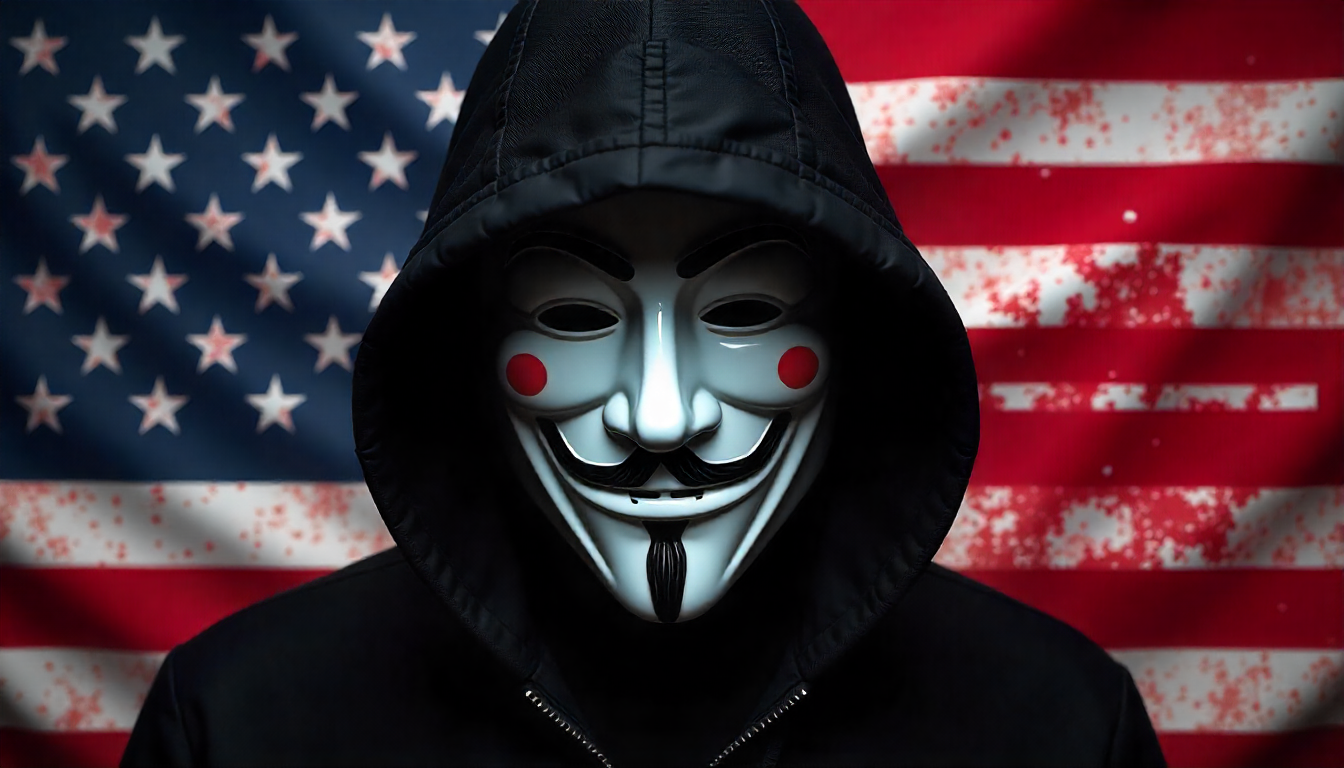
Today, when Anonymous announces an operation, it often grabs headlines. The signature Guy Fawkes mask, the computer-generated voice, and the cryptic messages still carry weight. People listen. The media covers it. Social media shares it. But how often do these operations lead to real, long-term disruption? Less often than before. That’s not to say Anonymous has become irrelevant. Far from it. Their symbolic power remains strong. In a world where public perception can shift overnight, even a tweet from Anonymous can spark conversations, fuel protests, or shine a light on dark places. Sometimes, symbolism itself is a form of power.
The Changing Landscape of Cyber Activism
To understand the shift in Anonymous operations, we need to look at how the world around them has changed.
-
Cybersecurity has improved – Companies and governments are now more prepared than ever to defend against DDoS attacks and website defacements.
-
More competition – Other hacker groups like Lapsus$, KillNet, and state-sponsored teams have taken up space. These groups are more focused on money or geopolitics rather than ideals.
-
Social media rules the narrative – In today’s digital age, what trends often matters more than what breaks. Anonymous has leaned into this, sometimes favoring posts and videos over code and chaos.
-
Legal consequences – Over the years, law enforcement has cracked down hard on cybercriminals. Several people associated with Anonymous have been arrested. This has made the group more cautious, less aggressive.
Symbolism Isn’t Weakness—It’s Strategy
Some critics argue that if Anonymous isn’t taking down websites or leaking sensitive data, they’re losing their edge. But that might be an outdated way of thinking. Let’s take a human view here. If you’re an activist today, your goal isn’t always to “break” things—it’s to be heard, to spread awareness, to rally support. Anonymous has mastered this modern form of digital protest. Whether it’s supporting protests in Iran, warning corrupt politicians, or speaking out against war—Anonymous often uses its platform to amplify others. This isn’t weakness. It’s evolution.
Real-World Impact Still Happens
To be fair, Anonymous hasn’t gone completely quiet on the disruption front. Over the past few years, they’ve still managed to:
-
Leak Russian military databases during the Ukraine war
-
Crash websites of authoritarian governments
-
Expose police misconduct
-
Interrupt operations of extremist groups
But these are more selective, more targeted, and often less flashy than their earlier stunts. That’s partly because they’ve matured. The internet is no longer the wild west it once was. Hacking a high-security government database isn’t as easy—or as effective—as it used to be.
Why People Still Listen
So why does Anonymous still matter, even when they aren’t as disruptive? Because they represent something bigger than hacks and leaks. They stand for resistance, transparency, and freedom. In a world where people often feel powerless, Anonymous reminds us that voices—collective, anonymous ones—can still matter. Their presence is a signal: “We’re watching. We care. We won’t stay silent.” That’s powerful.
What’s Next for Anonymous?
No one truly knows what’s next for a group with no leader and no roadmap. But here are some possibilities:
-
More collaborations – Anonymous may work alongside whistleblowers, journalists, or NGOs.
-
Digital advocacy – Expect more focus on awareness campaigns, online petitions, and viral posts.
-
Strategic strikes – When the time is right, they may still launch digital attacks—but likely for causes that deeply resonate.
-
Emergence of new voices – As internet culture evolves, new faces will wear the mask. Young activists may use the Anonymous identity to spark new movements.
Final Thoughts: Disruption Isn’t Always Loud
To answer the question—Are Anonymous operations becoming more symbolic than disruptive?
Yes, in many ways. But that’s not a bad thing.
In a world filled with noise, disinformation, and digital walls, sometimes the most disruptive thing you can do… is shine a light.
Not all revolutions need to start with explosions.
Some begin with a message.
A symbol.
A mask.
And maybe, just maybe, that’s enough to change the world.

