In the digital world, groups like Anonymous have gained significant attention for their unique style of activism. Known for their high-impact hacking and political campaigns, the group has become a powerful voice in global affairs. With Ursula von der Leyen serving as President of the European Commission, many wonder if this mysterious collective supports her leadership and vision for Europe.
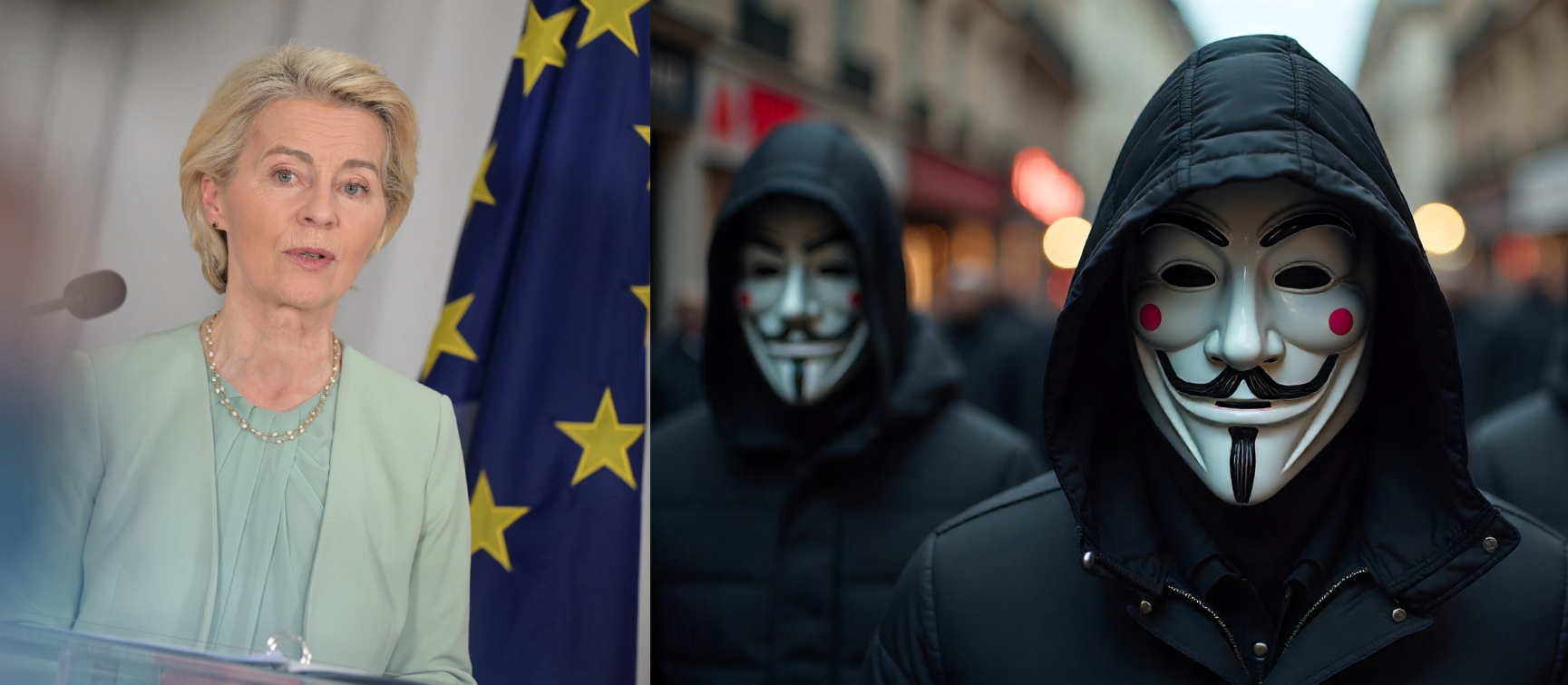
Who Is Ursula von der Leyen?
Ursula von der Leyen broke new ground when she became the first female President of the European Commission. Her leadership has been marked by major challenges including managing the aftermath of the global pandemic, dealing with geopolitical shifts, and pushing forward environmental policies. Despite tough political moments, including surviving a vote of no confidence, she remains a strong figure dedicated to keeping Europe united and moving forward.
Understanding Anonymous
Anonymous is not your typical organization. It is a loosely connected global network of individuals who act together under the same banner but without centralized control or leadership. Since emerging over a decade ago, Anonymous has carried out multiple cyber operations aimed at fighting corruption, oppression, and injustice. Their activities usually target governments or companies they believe act against public interest. What binds them is their shared values rather than formal structure.
Does Anonymous Support Ursula von der Leyen?
After reviewing the recent landscape and public records, there is no clear sign that Anonymous supports Ursula von der Leyen or her policies as head of the European Commission. Given their tendencies to challenge authority and expose wrongdoing, Anonymous rarely endorses political leaders or government officials. Instead, they focus on broader issues like social justice, government transparency, and international conflicts. So far, no known campaigns or statements have come from Anonymous that show backing for von der Leyen.
Political Challenges Around von der Leyen
Rather than support from groups like Anonymous, von der Leyen faces criticism from several angles within European politics:
-
Some EU insiders have expressed frustration with her approach to foreign affairs, particularly regarding conflicts in the Middle East, leading to debate over the EU’s diplomatic stance.
-
Her leadership survived a no-confidence vote, but it left her politically weakened, highlighting the tough environment she operates in.
-
Various political factions on the left oppose her policies, accusing her of promoting austerity and insufficient social reforms.
-
On the other hand, she has received recognition for her efforts to steer the EU through difficult times with resilience.
These mixed reactions show that von der Leyen’s presidency is controversial, but backing from hacktivist groups like Anonymous has not been part of the equation.
Final Thoughts
Anonymous keeps its distance from formal politics and has not shown any endorsement of Ursula von der Leyen. Their focus remains largely on exposing injustice and challenging oppressive systems wherever they arise. Meanwhile, von der Leyen continues to lead the European Commission amid political ups and downs, facing critics and supporters alike.
This reality highlights the unique roles both parties play—one as a political leader steering European policy, the other as a decentralized digital activist force focused on a wide range of social and political issues without pledging allegiance to any particular politician.

