In 2025, the digital battlefield became as significant as the political one. While voters lined up at polling booths around the world, another group, Anonymous, operated silently behind screens, influencing narratives, exposing corruption, and shaping global election outcomes. Their actions blurred the line between activism and interference, making 2025 one of the most unpredictable election years in modern history.
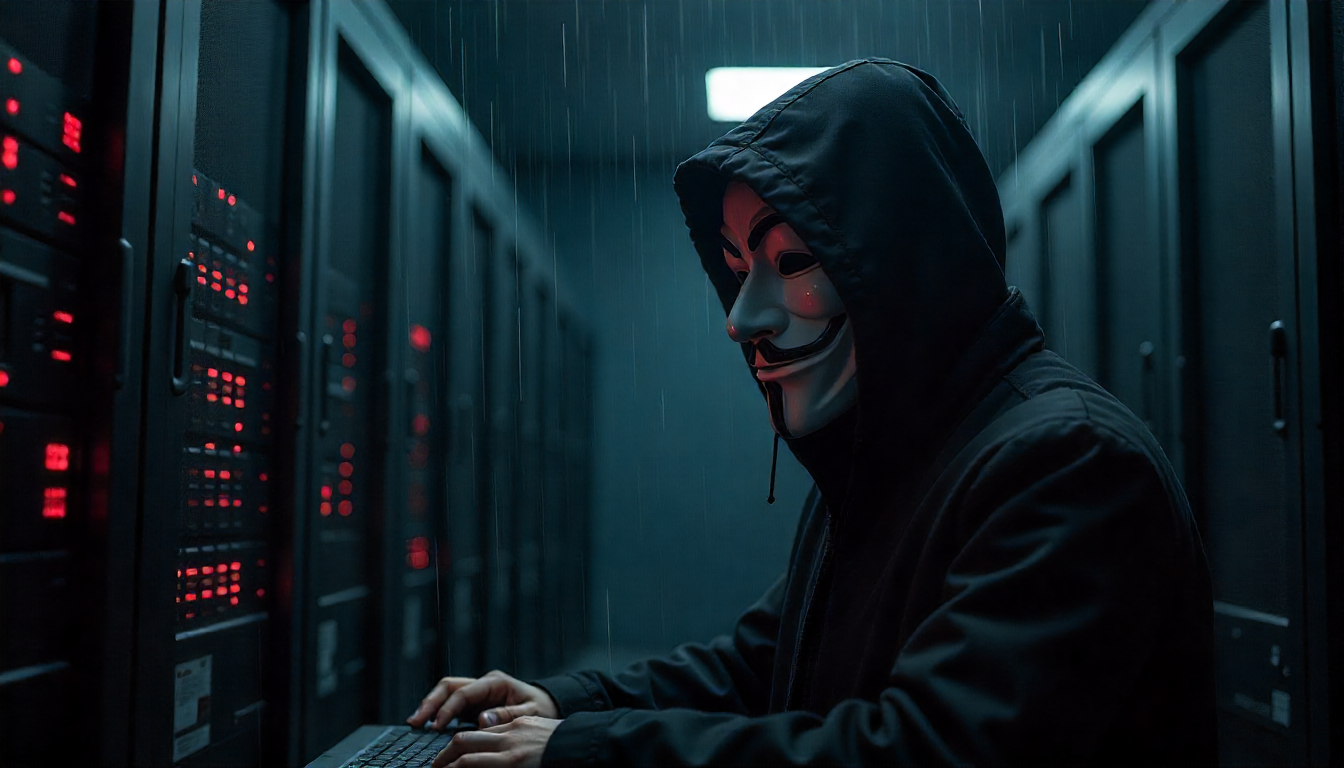
Anonymous, the decentralized hacktivist collective known for its Guy Fawkes mask and “We are Legion” slogan, has long been associated with social justice, anti-corruption, and freedom of information. But in 2025, their campaigns reached new heights. From exposing digital manipulation to disrupting state-run propaganda systems, their influence echoed across continents. This article explores how Anonymous impacted global elections in 2025, detailing their latest hacktivist operations and their broader implications on democracy in the digital age.
The Rise of Political Cyberactivism
By 2025, technology had fully integrated into electoral processes—voter databases, social media campaigns, and digital voting systems became the new frontiers of democracy. But this digital dependency also opened doors for manipulation. Anonymous saw this as both a threat and an opportunity.
For years, the group had warned about how governments and corporations use data to sway public opinion. In 2025, they decided to act. Their goal was not to favor a particular political side but to expose hidden manipulations, safeguard democratic voices, and remind the world that transparency still matters. Through coordinated digital protests, data leaks, and media disruptions, Anonymous transformed itself from a symbolic movement into a digital watchdog of global politics.
Exposing Election Manipulation Networks
One of the biggest revelations came in early 2025 when Anonymous claimed responsibility for uncovering a covert election influence operation spanning several countries. Their investigation revealed how private tech firms were using artificial intelligence to microtarget voters with personalized propaganda. In countries like Brazil, India, and the United States, Anonymous hackers breached corporate servers and leaked documents showing how political campaigns purchased behavioral data to predict and influence voter behavior. These revelations forced major social media platforms to tighten their ad transparency systems and even led to government investigations into digital ethics violations. The leaks didn’t just expose the manipulation—they empowered citizens to question what they saw online. For many voters, 2025 was the first time they realized how algorithmic bias could decide elections.
The European Elections: Operation Digital Freedom
During the European elections, Anonymous launched what they called Operation Digital Freedom. Their focus was on exposing online disinformation networks that were funded by both domestic and foreign political interests.
Through coordinated cyber operations, the group took down several websites spreading false news about candidates and political parties. In a statement posted on the dark web, Anonymous declared:
“When truth becomes a casualty of politics, democracy dies in silence. We are here to give it a voice.”
Their campaign revealed over 50 fake social media accounts operating as news outlets. Within days, fact-checking organizations began referencing Anonymous data dumps to verify political claims. Although controversial, their actions pressured governments to invest more in cybersecurity and online misinformation detection.
Targeting Deepfake Propaganda
The rise of deepfakes—AI-generated videos that look real—was one of the biggest threats to election credibility in 2025. Deepfakes were used to show politicians saying or doing things they never did.
Anonymous responded with a campaign called Operation Mirror. Using AI tools of their own, they tracked and exposed deepfake sources spreading misinformation in Africa, Europe, and Southeast Asia. Their work led to the takedown of dozens of YouTube channels and Telegram groups that were influencing public perception through fabricated videos.
More impressively, Anonymous created an open-source tool that allowed journalists to verify if a video was AI-generated. This tool went viral in journalism circles and was credited with protecting at least three national elections from misinformation campaigns.
Operation Democracy Watch in Latin America
In Latin America, Anonymous launched Operation Democracy Watch, focusing on exposing electoral fraud and corruption. The group targeted government databases, leaked financial records of political candidates, and even intercepted communications that revealed vote-buying schemes. In one shocking incident in Argentina, Anonymous released documents showing that several high-profile politicians were secretly funding social media troll farms to spread political propaganda. The revelations led to massive protests demanding accountability. While critics argued that Anonymous had violated laws by accessing private data, many citizens viewed their actions as a necessary evil to protect democracy from being sold to the highest bidder.
Anonymous and the U.S. Presidential Election
The 2025 U.S. presidential election was among the most polarizing in recent history, with misinformation running rampant across social media platforms. Anonymous took a strategic approach this time. Instead of hacking or leaking directly, they focused on countering misinformation and exposing fake accounts run by foreign actors. Their campaign, known as Operation Truthwave, combined digital forensics and AI to trace the origins of viral political posts. In collaboration with independent cybersecurity researchers, they identified over 3,000 bot accounts spreading divisive content.
In a symbolic act, Anonymous disrupted one major propaganda network on election night, briefly defacing its website with the message:
“We do not choose sides. We choose truth.”
Although their interference sparked debate, many experts credited Anonymous with highlighting the urgent need for better cybersecurity in political systems.
The Asian Front: Defending Free Speech
In Asia, several countries witnessed controversial elections marked by censorship and media restrictions. Anonymous intervened through Operation Voice, targeting governments that silenced online critics and journalists.
Hackers bypassed firewalls and released blocked news stories to ensure that voters had access to unbiased information. In Myanmar, for instance, Anonymous leaked files exposing government censorship tools, helping activists bypass restrictions.
Similarly, in the Philippines, the group exposed an election data breach where citizens’ personal information was allegedly being used to manipulate voter rolls. These acts were risky but resonated deeply with citizens fighting for transparency and freedom.
The Ethical Debate: Vigilantes or Guardians?
The 2025 hacktivist wave reignited a long-standing debate—should groups like Anonymous interfere with elections, even for noble causes?
Critics argue that any form of digital interference—no matter the intention—can destabilize democratic systems and create chaos. Governments accused Anonymous of overstepping their moral boundaries and breaking international cyber laws. However, supporters countered that when institutions fail to ensure fair elections, digital activism becomes a form of resistance. To many, Anonymous represented the digital voice of accountability in a world where truth was increasingly hidden behind corporate firewalls and algorithmic manipulation. This ethical gray area remains unresolved, but what’s undeniable is that Anonymous pushed governments to take digital democracy seriously.
Governments Strike Back
In response to Anonymous’ widespread influence, several countries introduced new cybersecurity and cybercrime laws in 2025. Intelligence agencies began tracking suspected Anonymous members, while major tech companies collaborated with governments to identify the sources of leaks. However, Anonymous’ decentralized nature made them nearly impossible to stop. With no leaders, headquarters, or clear hierarchy, the movement adapted quickly—switching servers, rebranding operations, and shifting communication channels to avoid detection.
Their resilience only reinforced their mystique. Each time a government declared victory, a new Anonymous message would appear:
“You cannot kill an idea.”
Anonymous Message to the World
In one of their most viral 2025 videos, Anonymous summarized their mission:
“We are not here to destroy democracy. We are here to defend it—from those who manipulate it for power and profit.”
Their message struck a chord in a world losing faith in institutions. Whether you view them as heroes or hackers, Anonymous reignited global conversations about transparency, privacy, and the ethics of digital power. Their campaigns demonstrated that democracy can no longer exist without cybersecurity—and that information, when controlled or distorted, becomes the most powerful weapon of all.
The Future of Digital Democracy
As 2025 draws to a close, the legacy of Anonymous looms large. Governments are now investing heavily in AI detection systems, ethical hacking collaborations, and digital literacy programs. But these measures are also a direct acknowledgment of how vulnerable modern elections have become. Anonymous may have broken laws, but they exposed truths. They forced a global reckoning on how we secure elections, process information, and hold power accountable in the digital age. The world has entered a new era—where the war for democracy isn’t fought on battlefields, but in data centers, on encrypted servers, and within the hearts and minds of online citizens. And Anonymous, for better or worse, remains at the center of that revolution.
Conclusion
In 2025, Anonymous proved that hacktivism could influence not only public discourse but the very foundation of global elections. Their campaigns against disinformation, election manipulation, and digital censorship reflected a profound shift in how activism operates in the internet age. While some see them as digital vigilantes, others see them as necessary defenders of truth in an era ruled by data and deception. Regardless of the perspective, their impact is undeniable. As technology continues to shape politics, one thing remains clear: democracy will only survive if truth does—and Anonymous, with its shadowy presence and relentless pursuit of transparency, ensured that the world remembered that lesson in 2025.


I want to join your community and learn ethical hacking, and I want to be accepted.