In the digital era, where almost every click, search, and social media post can be tracked, the concept of online privacy has become a serious concern. Over the past decade, the hacker collective known as Anonymous has not only made headlines for its controversial cyber operations but also played a significant role in shaping the way people think about online privacy. Whether you view them as digital vigilantes, cyber activists, or dangerous hackers, one thing is clear — their presence has made millions more aware of how fragile our privacy truly is.
Understanding Who Anonymous Is
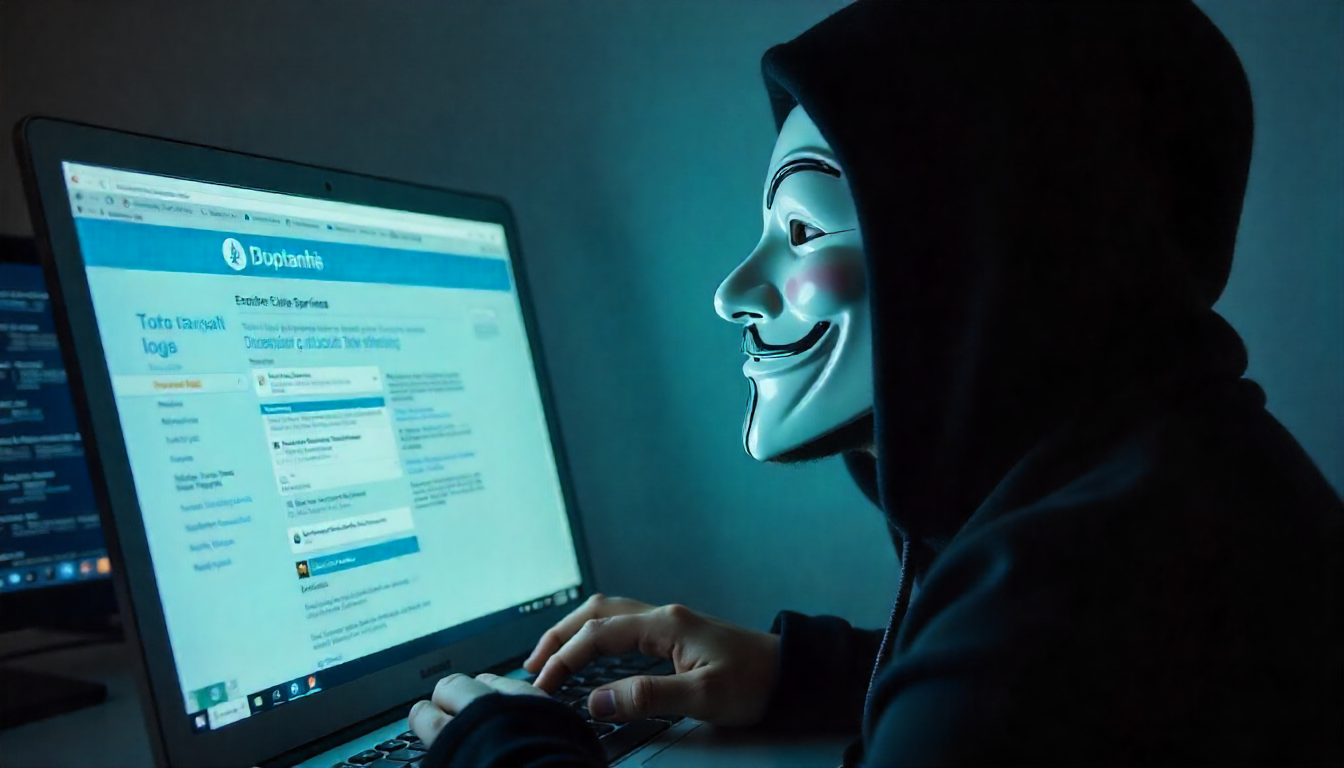
Anonymous is not a traditional organization with leaders or members who sign up. Instead, it is a decentralized collective of individuals who operate under a shared identity and ideology. Known for wearing the Guy Fawkes mask, popularized by the film V for Vendetta, Anonymous uses hacking, digital protests, and information leaks to challenge governments, corporations, and individuals they believe threaten freedom and justice. They often engage in what is called hacktivism — hacking with a political or social cause. While their targets and methods can be controversial, their actions have repeatedly drawn attention to the lack of privacy and security in our online world.
Anonymous and the Online Privacy Conversation
When Anonymous makes headlines, the story isn’t just about the hack itself — it’s about what that hack reveals. Their operations often uncover how much data is collected, how poorly it’s protected, and how easily it can be exploited.
For example:
-
Government Surveillance: Anonymous has exposed instances where governments were secretly monitoring citizens’ online activities without consent. These revelations have pushed many to question how much privacy we really have when using the internet.
-
Corporate Data Breaches: By targeting large corporations, Anonymous has highlighted the fact that even massive companies with billions in revenue often fail to protect customer information adequately.
-
Freedom of Information: In several cases, the group has leaked documents that showed censorship, illegal spying, and manipulation of online platforms, raising public debate about transparency and accountability.
Through these actions, Anonymous has forced ordinary people — not just tech experts — to think about who has access to their data and how it’s being used.
Changing the Public Mindset About Privacy
Before the rise of Anonymous, many internet users either didn’t think much about privacy or assumed that big companies and governments would protect their information. Today, more people understand that privacy is not automatic — it’s something you must actively protect. Here are a few ways Anonymous has influenced public attitudes:
1. Awareness of Digital Footprints
Anonymous has shown that almost everything you do online leaves a trace. From social media posts to online purchases, there’s a record somewhere. This has encouraged people to be more careful about what they share publicly.
2. Skepticism Toward Big Tech
Many of the group’s actions have targeted large technology companies, revealing how much data they collect and how vulnerable it can be to leaks. As a result, people are more skeptical about blindly trusting tech giants with personal information.
3. The Rise of Encryption
Discussions sparked by Anonymous’s revelations have encouraged more individuals and organizations to use encryption for communication and data storage. Messaging apps with end-to-end encryption, like Signal or WhatsApp, have seen massive growth.
4. Privacy as a Right, Not a Privilege
In many public statements, Anonymous has framed privacy as a fundamental human right — not just something for the wealthy or tech-savvy. This messaging has resonated with activists, journalists, and regular users who feel their freedoms are at risk.
The Role of Hacktivism in the Privacy Debate
One of the most controversial aspects of Anonymous is their use of illegal methods to achieve their goals. Critics argue that hacking is inherently wrong, regardless of the cause. Supporters claim that, in a world where powerful entities control vast amounts of information, direct action is sometimes the only way to create change. Regardless of where you stand, there’s no denying that hacktivism has been effective in starting conversations about privacy. Anonymous’s work has often revealed:
-
Weaknesses in cybersecurity systems.
-
Hidden agreements between corporations and governments to share user data.
-
Cases where online surveillance crossed ethical or legal boundaries.
In many ways, they’ve acted as a mirror, showing society the flaws in the systems we trust.
High-Profile Operations That Shifted Perceptions
To understand the group’s impact on attitudes toward privacy, it helps to look at some of their most notable operations:
Operation Payback (2010)
Initially targeting anti-piracy organizations, this campaign evolved into a broader protest against internet censorship. It made people aware of how easily authorities could block or restrict access to certain websites.
HBGary Federal Hack (2011)
Anonymous hacked the cybersecurity firm HBGary Federal after its CEO claimed he could expose the group. The hack revealed thousands of internal emails, showing unethical surveillance tactics being considered for use against activists and journalists.
OpTunisia (2011)
During the Arab Spring, Anonymous targeted the Tunisian government, helping citizens bypass internet censorship and communicate freely. This demonstrated the power of anonymity tools and digital resistance.
Operation Sony (2011)
When Sony sued individuals for modifying PlayStation devices, Anonymous attacked Sony’s networks. While controversial, it raised questions about corporate overreach and how much control companies should have over products you own.
Anonymous and the Normalization of Privacy Tools
Thanks in part to Anonymous’s influence, privacy tools that were once used mainly by hackers and journalists have now entered mainstream use. Tools like:
-
VPNs (Virtual Private Networks) to hide your location and encrypt your traffic.
-
Tor Browser for anonymous web browsing.
-
Encrypted messaging apps for private communication.
Years ago, these tools might have been seen as suspicious or “for hackers only.” Today, millions of ordinary people use them for legitimate reasons, from avoiding targeted ads to securing public Wi-Fi connections.
The Double-Edged Sword of Anonymous’s Legacy
While many credit Anonymous with raising awareness about privacy, their methods have also sparked fear and mistrust. Some argue that their attacks have caused collateral damage, exposing innocent users’ data along with their targets. Others point out that because Anonymous has no central leadership, anyone can act in its name, leading to inconsistent messaging and questionable actions. Still, their overall impact on the privacy conversation is undeniable. They’ve made it harder for governments and corporations to operate in secrecy without facing public backlash.
How Individuals Have Responded
The cultural shift around privacy isn’t just theoretical — it’s visible in people’s daily habits:
-
More people use strong, unique passwords and password managers.
-
Two-factor authentication (2FA) has become standard for securing accounts.
-
There’s increased demand for privacy-focused services like DuckDuckGo or ProtonMail.
-
People are more likely to question terms of service before clicking “accept.”
While these changes can’t be credited solely to Anonymous, the group’s influence in pushing privacy into the public consciousness is significant.
The Future of Privacy in a Post-Anonymous World
The internet continues to evolve, and so do threats to privacy. Artificial intelligence, biometric tracking, and smart devices all introduce new challenges. Even if Anonymous were to disappear tomorrow, the awareness they’ve created will live on. The next generation of internet users is growing up in a world where privacy is seen as something worth fighting for. Whether through activism, legislation, or personal choices, the demand for online privacy is stronger than it was before Anonymous came onto the scene.
Final Thoughts
Anonymous is a polarizing force — celebrated by some as defenders of freedom and condemned by others as cyber criminals. But when it comes to online privacy, their influence is clear. They’ve exposed weaknesses in our systems, questioned the ethics of surveillance, and encouraged millions to take control of their digital lives. In a time when every aspect of our online activity can be tracked, stored, and analyzed, Anonymous has reminded us that privacy is not just a personal preference — it’s a cornerstone of freedom in the digital age. Whether you agree with their tactics or not, the conversation they started is one we can’t afford to ignore.

