In 2025, the internet feels both powerful and dangerous. While technology keeps advancing, our digital freedoms face greater threats than ever. Governments are tightening their grip on information, corporations are collecting more data than we can imagine, and truth often gets buried under bureaucracy or propaganda. In the middle of all this, whistleblowers continue to play a crucial role in exposing injustices. But one important question has emerged: Is the hacktivist group Anonymous still helping whistleblowers in 2025? Let’s dive into this topic with a human lens — not just as observers, but as people who care about truth, justice, and the digital world we all live in.
Who Are Whistleblowers, and Why Do They Matter?
Before we jump into what Anonymous is doing, let’s take a moment to understand why whistleblowers matter in the first place. A whistleblower is someone who exposes hidden truths — corruption, abuse of power, illegal surveillance, exploitation, or dangerous practices. Think of Edward Snowden, who revealed the NSA’s mass surveillance programs. Or Frances Haugen, who disclosed internal documents showing Facebook’s harm to public well-being. Without people like them, the public would remain in the dark about things that impact our lives directly. But here’s the catch: whistleblowers take massive risks. They face job loss, legal action, exile, or worse. That’s where protection becomes vital — and why groups like Anonymous might be more important than ever.
The Role of Anonymous in the Past
Anonymous, the faceless collective that’s been shaking up the internet for nearly two decades, has often positioned itself as a defender of the oppressed. Their motto, “We are Anonymous. We are Legion. We do not forgive. We do not forget.” is both a warning and a call for justice.
In the past, they’ve supported whistleblowers by:
-
Launching cyber campaigns against those who target truth-tellers.
-
Providing platforms or tools to help whistleblowers stay anonymous.
-
Drawing public attention to leaked information that otherwise might be ignored.
They supported WikiLeaks, defended Edward Snowden, and even attacked entities that threatened whistleblower safety.
But has this mission continued in 2025?
What’s Happening in 2025?
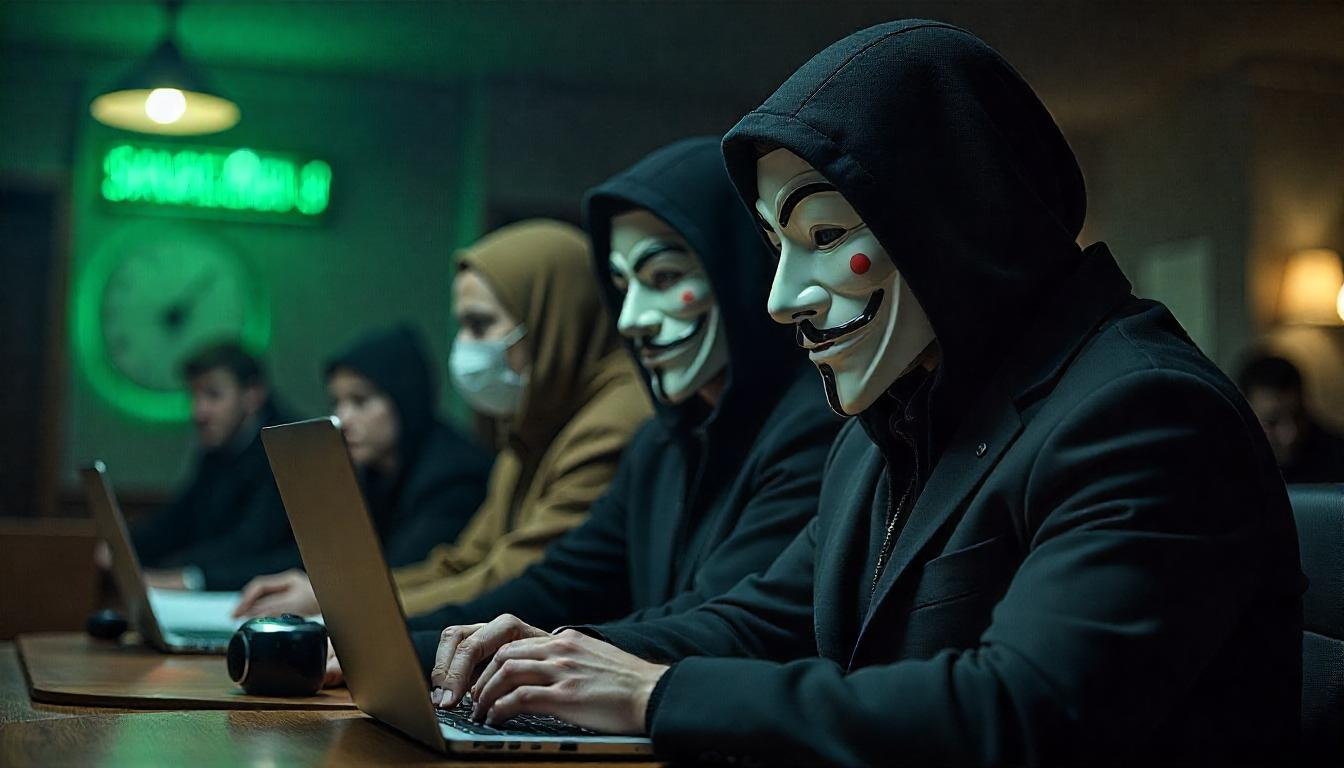
It’s no secret that the digital landscape has changed drastically. New encryption laws, surveillance technologies, AI-driven monitoring systems — all have made it harder for whistleblowers to speak out safely. And yet, 2025 has also brought a new wave of people risking everything to reveal truths. Anonymous, though quieter than in its early years, hasn’t disappeared. Instead, it has evolved. From Telegram channels to decentralized servers on the dark web, some Anonymous-aligned groups are still working in the shadows, offering secure support to whistleblowers. The group isn’t a formal organization, so actions vary depending on who’s behind the mask. But here are some current patterns:
1. Digital Safe Havens for Whistleblowers
Some Anonymous collectives have created encrypted portals — hidden parts of the internet where whistleblowers can securely upload documents, videos, or testimony. These aren’t mainstream websites; they’re hosted on anonymous networks like I2P or Tor and operate without centralized control. They’re not just dumping grounds for leaks. Instead, Anonymous members work to verify, contextualize, and amplify the stories — helping ensure that real whistleblowers get heard.
2. Retaliatory Hacktivism
In recent months, there have been small but telling attacks against institutions accused of silencing or punishing whistleblowers. Government websites in authoritarian countries have gone offline briefly. Internal files from corporations accused of silencing internal critics have been leaked on public forums. While Anonymous rarely claims credit directly, the digital fingerprints suggest involvement from groups connected to their networks. The message is clear: “If you silence a truth-teller, you might have to answer to us.”
3. Educational Campaigns and Digital Tools
Not every action is about hacking. Some members of Anonymous are focused on educating potential whistleblowers — creating guides on how to leak safely, how to use privacy tools, and how to protect their identity. In 2025, they’ve updated digital toolkits with information about emerging threats like AI surveillance and biometric tracking. These guides, often released quietly on GitHub or privacy-focused forums, are goldmines for journalists, activists, and everyday citizens who want to do the right thing but fear the consequences.
A Human Touch: Why This Matters to All of Us
You might wonder: “I’m not a whistleblower. Why should I care?” The truth is, we all live in systems shaped by the information we receive — or don’t. When the truth is suppressed, people suffer. When whistleblowers are punished, future truth-tellers go silent. Anonymous stepping up to protect them isn’t about glorifying cyber rebels. It’s about maintaining a balance — reminding the powerful that there’s always someone watching, and that truth still has defenders. In an era where AI can fake voices, deepfake videos can ruin reputations, and surveillance is nearly unavoidable, protecting truth-tellers is a fight for all of us.
Criticism and Controversy
Of course, not everyone agrees with Anonymous’s methods. Critics argue that their attacks can cause collateral damage, and their decentralized nature makes accountability difficult. What if someone under the banner of Anonymous acts irresponsibly? That’s a fair concern. But others argue that in a world where traditional protections for whistleblowers are failing, someone has to step in — even if it means working outside the system.
So, Is Anonymous Protecting Whistleblowers in 2025?
The answer is a cautious yes. They’re not running global campaigns like in the early 2010s. They’re not dropping daily leaks or making headlines every week. But quietly, behind encrypted screens, some of them are still fighting. They’re building tools, sharing knowledge, leaking carefully, and sending a loud message to anyone trying to silence the truth: “Truth doesn’t die in silence. It just finds another mask.”
Final Thoughts
Whether you support Anonymous or not, one thing is certain — whistleblowers still need protection in 2025. The risks are greater, the tech is more advanced, and the stakes are higher than ever. Anonymous, in its unpredictable, scattered, and sometimes chaotic way, is still part of the defense system for truth. And in a time when facts are often twisted, that defense is something we should all pay attention to. Because one day, someone you know — maybe even you — might need it.

