In the world of hacking, activism, and online movements, one name often sparks curiosity: Anonymous. They’re not an official organization, nor do they have a headquarters or a fixed leader. Instead, they’re a loose collective of people spread across the globe, united by certain causes, digital skills, and — most importantly — their commitment to anonymity and secrecy.
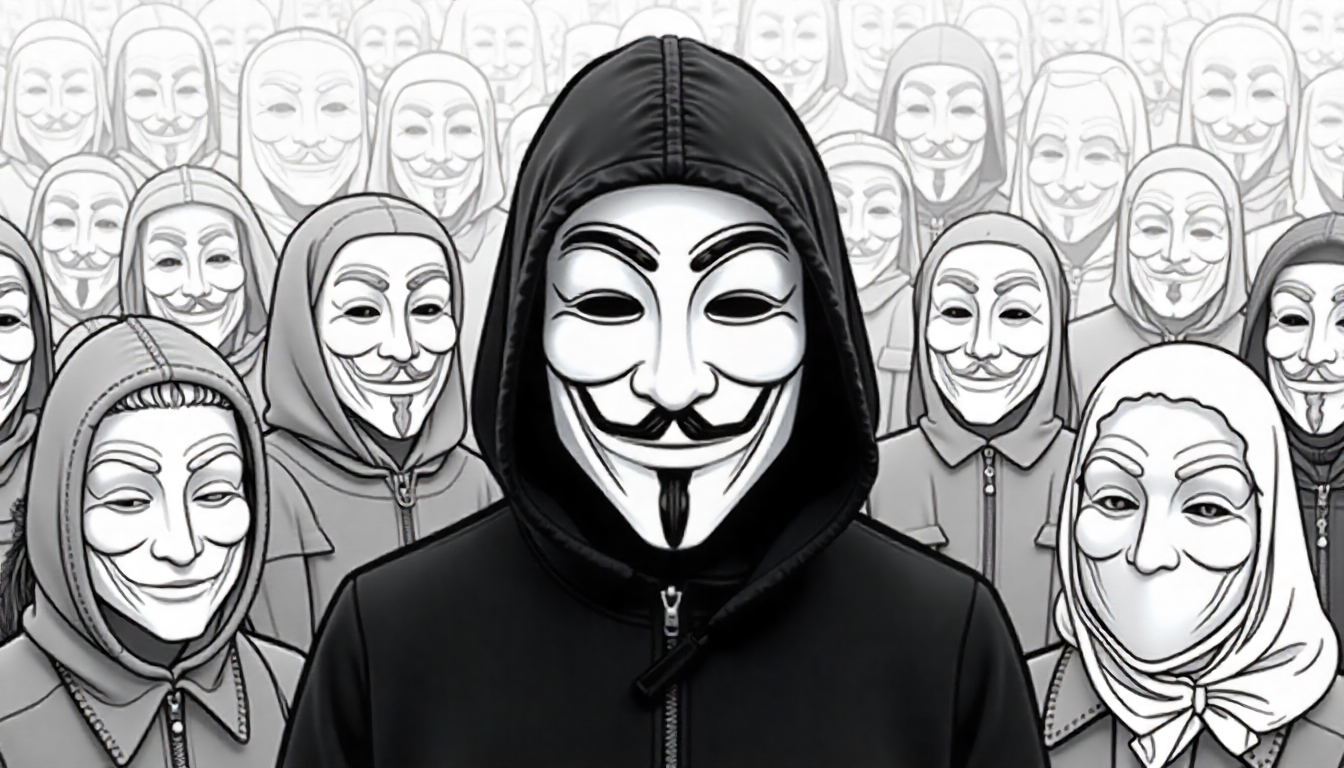
If you’ve ever wondered why members of Anonymous guard their identities so fiercely, the answer goes beyond the fear of being caught. Anonymity isn’t just a shield — for them, it’s part of the culture, the message, and the mission. Let’s dive deeper into the reasons behind this core value.
1. Protection from Legal Consequences
One of the most obvious reasons is legal protection. Many of the activities Anonymous is known for — like hacking into secure systems, leaking confidential data, or disrupting websites — are illegal in most countries. Governments and corporations often have massive legal resources. If a member’s identity is exposed, they could face arrest, fines, or even prison time. By hiding behind aliases, masks, and encrypted communication, members reduce the chances of being tracked down. For example, in the past, law enforcement agencies have arrested several individuals believed to be part of Anonymous. These arrests often came after mistakes — like using unprotected internet connections, bragging in online forums, or reusing usernames. Every time that happens, it reinforces the importance of staying hidden.
2. Avoiding Personal Targeting and Retaliation
Beyond legal risks, there’s also the threat of retaliation. When Anonymous takes action against powerful entities — governments, corporations, extremist groups, or even cybercriminals — they often make enemies. These enemies might respond with their own cyberattacks, stalking, harassment, or even physical violence. Anonymity is a way to protect not just the member, but also their family, friends, and personal life. For instance, if someone exposed corruption in a political party, the backlash could include smear campaigns, job loss, or worse. Staying anonymous makes it much harder for opponents to strike back.
3. Equality Within the Collective
Anonymous operates differently from traditional activist groups. There’s no official hierarchy — no president, no board, no membership cards. The idea is that anyone can join in and contribute as long as they share similar beliefs and follow the collective’s principles. Anonymity helps maintain equality. Without names, titles, or faces, there’s no way for one person to rise to fame and dominate the group. It’s not about who you are; it’s about what you do. This culture avoids the problems that many movements face, like internal power struggles or people joining just for fame. In Anonymous, the message matters more than the messenger.
4. Focusing Attention on the Cause, Not the Person
When people know your identity, the media and public often focus on you instead of your message. Anonymous members believe their activism should be about the issue at hand, not the individual behind it. By staying hidden, they remove the distraction of personality, appearance, or background. The public sees the cause, the act, and the iconic Guy Fawkes mask — not a single person’s face. This also prevents members from being turned into “heroes” or “villains” by the press. The story becomes about the corruption exposed, the protest organized, or the cyberattack carried out — not about someone’s personal history.
5. Maintaining Operational Security (OpSec)
In the hacking and cybersecurity world, Operational Security (OpSec) is critical. It’s the practice of protecting information that could be used to identify or track you. Members of Anonymous often deal with sensitive data — leaked documents, stolen emails, or secret communications. If a single person’s identity gets exposed, it could unravel an entire operation. They use a mix of encryption, VPNs, Tor networks, burner accounts, and coded language to keep their work secure. The idea is simple: the less personal information available, the harder it is for anyone to connect the dots.
6. Symbolism of the Mask
The Guy Fawkes mask, popularized by the film V for Vendetta, has become an iconic symbol of Anonymous. Wearing the mask in protests or videos isn’t just for fun — it’s a statement.
The mask says: We are all one. We are all no one.
It represents the idea that anyone could be behind it — your neighbor, a student, a tech worker, or a person across the ocean. This symbolism adds mystery, fuels media attention, and reinforces the message that Anonymous is a movement, not an individual.
7. Freedom to Speak Without Fear
Anonymity also gives members the freedom to express controversial opinions without risking their careers, relationships, or safety. Whistleblowers, in particular, rely on secrecy. Someone working inside a company or government agency might leak documents to expose wrongdoing. Without anonymity, they could lose their job, face lawsuits, or even be charged with crimes. In many countries, free speech has limits, especially when it challenges authority. By staying anonymous, people can speak truth to power without immediate personal risk.
8. Avoiding Ego and Fame
Movements sometimes fall apart when leaders become famous and start chasing the spotlight. Anonymous avoids this by removing individual recognition. If no one knows who did something, there’s no personal glory to chase — and no one to bribe, threaten, or manipulate. This keeps the focus on actions and goals rather than on building a personal brand.
9. Psychological Power of Mystery
From a strategic perspective, secrecy creates an aura of mystery. People tend to fear or respect what they don’t fully understand. By never revealing their full strength, numbers, or capabilities, Anonymous keeps their opponents guessing. Are they a handful of skilled hackers, or thousands of volunteers worldwide? That uncertainty can be more powerful than the truth.
10. It’s Part of the Culture
Finally, anonymity is simply part of Anonymous’ DNA. It’s not just a tool — it’s a tradition. From their earliest days on forums like 4chan, members adopted aliases and avoided personal details. This culture has been passed down over the years, reinforced by both successes and failures. When anonymity is broken, the consequences can be severe — arrests, infiltration, or collapse of operations. When it’s maintained, the group stays resilient.
Final Thoughts
For Anonymous, anonymity and secrecy are more than just precautions. They’re essential to survival, equality, and effectiveness. These principles protect members from legal trouble, retaliation, and internal politics. They also keep the spotlight on the cause, not the individual, and add a layer of mystery that fuels the group’s influence. Whether you see them as heroes, villains, or something in between, there’s no denying that Anonymous has mastered the art of staying hidden. In a digital world where nearly everything can be traced, their commitment to secrecy is both a necessity and a philosophy.
In their own words: “We are Anonymous. We are Legion. We do not forgive. We do not forget. Expect us.”

