In the world of the internet, few names spark as much curiosity, controversy, and debate as Anonymous. This loosely connected collective of hackers, online protestors, and digital vigilantes has been around for over a decade, often making headlines for its cyberattacks, leaks, and politically charged operations. But when the name “Anonymous” appears in the news, people rarely agree on how to label them.
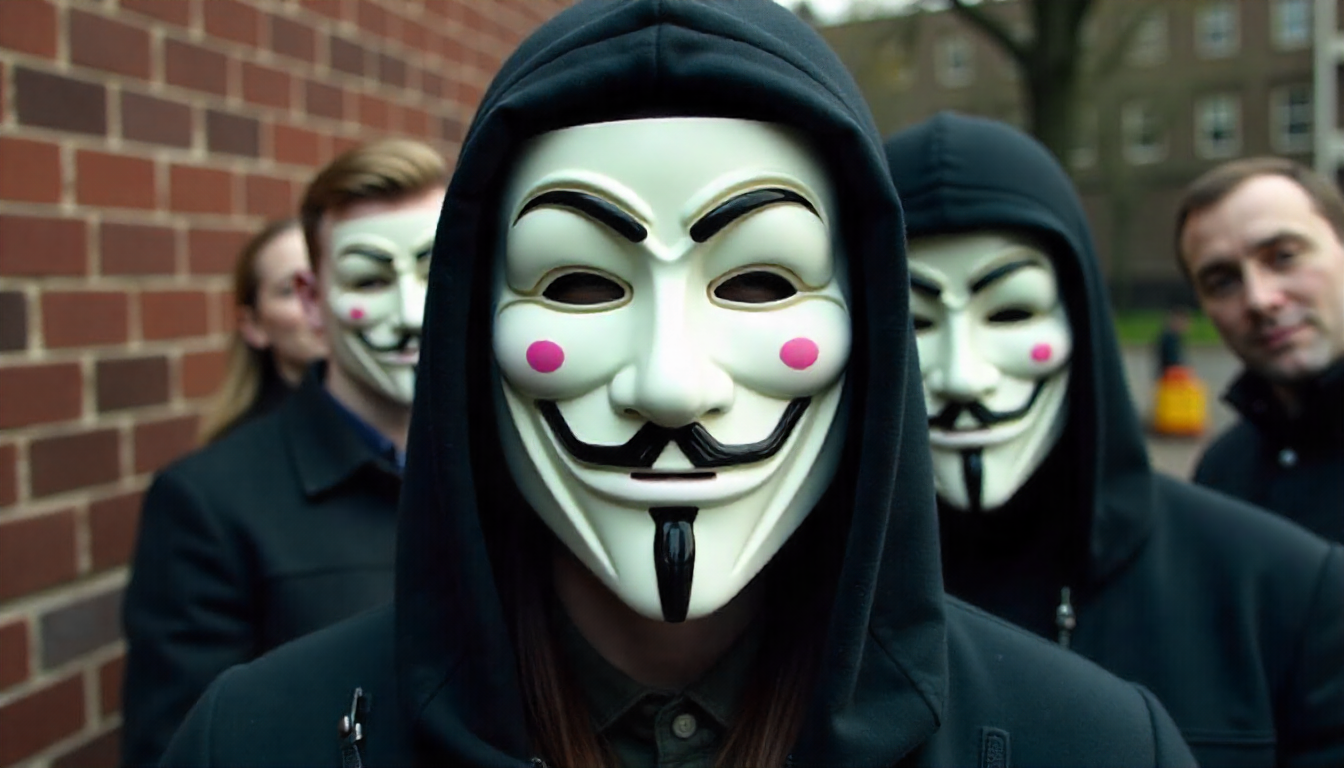
Some view Anonymous as activists—fighting against censorship, exposing corruption, and standing up for freedom of speech. Others see them as criminals—breaking into systems, stealing information, and disrupting services without legal authority. So why does public opinion about Anonymous swing so widely between admiration and condemnation? Let’s explore the reasons.
1. Understanding Who Anonymous Is
Anonymous isn’t a single organization with a leader, membership list, or official headquarters. Instead, it’s a decentralized movement of individuals who share common goals but operate independently. The group emerged from online forums like 4chan in the mid-2000s and adopted the Guy Fawkes mask as a symbol—thanks to the movie V for Vendetta.
The lack of structure is both its strength and its weakness. Since anyone can act in the name of Anonymous, their operations vary widely—from peaceful digital protests to large-scale cyberattacks. This makes it tricky to paint the group in one single light.
2. Why People See Anonymous as Activists
For many supporters, Anonymous represents digital freedom fighters who challenge the powerful and defend ordinary people. There are several reasons for this activist perception:
a) Fighting Censorship
Anonymous has often targeted governments, corporations, and organizations accused of restricting free speech or controlling online information. For example, they have launched campaigns to restore access to blocked websites or protest laws that threaten internet freedom.
b) Exposing Corruption
The group has leaked documents revealing unethical practices, from political scandals to corporate misconduct. Supporters argue that such actions increase transparency and hold powerful entities accountable.
c) Supporting Social Causes
Anonymous has been involved in operations related to human rights, environmental protection, and anti-racism movements. Whether it’s backing protesters in authoritarian countries or supporting global movements like Occupy Wall Street, the group often aligns itself with popular activist causes.
d) Public Good Over Profit
Unlike some hackers who act for financial gain, many Anonymous operations are aimed at making a statement rather than making money. This ethical framing makes them appear closer to whistleblowers than career criminals.
3. Why People See Anonymous as Criminals
On the flip side, critics view Anonymous as lawbreakers who engage in illegal activities under the guise of activism. Here’s why:
a) Breaking the Law
Regardless of motive, hacking into private systems, stealing data, or launching Distributed Denial of Service (DDoS) attacks is illegal in most countries. Governments and law enforcement agencies emphasize that intentions don’t excuse crimes.
b) Collateral Damage
Some of Anonymous’s actions have unintentionally harmed innocent people. For instance, taking down an entire website to protest an organization can also disrupt services for customers or members who had nothing to do with the issue.
c) Lack of Accountability
Because Anonymous is leaderless and anonymous by nature, there’s no formal accountability for their actions. This makes it easy for bad actors to join in, using the group’s name as cover for personal agendas.
d) Risk to National Security
In some cases, cyberattacks against government systems are seen as threats to national security. Even if the intention is to expose wrongdoing, authorities may treat such acts as cyberterrorism.
4. The Grey Area: Hacktivism
The debate over whether Anonymous is made up of activists or criminals often boils down to the concept of hacktivism—the use of hacking techniques for political or social activism. Hacktivism lives in a legal and moral grey zone.
-
From a legal perspective, hacking is illegal unless authorized.
-
From a moral perspective, some believe breaking the law is justified if it serves the greater good—similar to civil disobedience in the offline world.
Supporters see hacktivists as digital revolutionaries; critics see them as dangerous criminals undermining trust in online systems.
5. Media’s Role in Shaping Perception
The way the media covers Anonymous has a huge influence on public opinion. When the group exposes corruption or fights for human rights, headlines often frame them as heroes. But when their actions disrupt services or cause economic damage, the coverage turns critical.
This shifting narrative means that many people’s views are shaped by whichever operation makes the news at the time. For example:
-
During the Arab Spring, Anonymous gained praise for helping activists bypass government censorship.
-
During cyberattacks on companies or public services, they were condemned as reckless criminals.
6. Legal Systems and Cultural Differences
Perception also changes depending on where you live. In some countries, challenging authority—especially in the digital space—is celebrated. In others, it’s seen as a direct threat to stability and order.
For example:
-
In democratic countries, some people view Anonymous’s actions as an extension of free speech, even if they break the law.
-
In authoritarian countries, these actions are often framed as dangerous crimes against the state.
7. Anonymous’s Own Identity Problem
One reason it’s hard to categorize Anonymous is that they blur the line between activism and crime. The same collective that helps activists in one operation might take down a company’s servers in another. There’s no official mission statement, no universally agreed-upon ethics, and no way to know who’s really behind a given attack. This flexibility allows them to adapt quickly, but it also fuels the argument that they can’t be trusted.
8. Public Opinion: A Moving Target
If you ask ten people what they think about Anonymous, you’ll likely get ten different answers. A person’s opinion often depends on:
-
Their political beliefs
-
Their trust in institutions
-
Their experience with technology
-
How much they value security versus freedom
Someone who values absolute freedom of information might see Anonymous as heroes. Someone who prioritizes stability and legal order might see them as criminals.
9. The Future of Anonymous’s Image
As technology advances, so does the potential reach of groups like Anonymous. Cybersecurity threats are becoming more complex, and governments are taking hacking more seriously than ever.
The future image of Anonymous will depend on the nature of their operations:
-
If they continue focusing on exposing corruption and defending human rights, they might strengthen their activist image.
-
If their actions cause widespread harm or target the wrong people, the criminal label will only grow stronger.
10. Final Thoughts
The truth is, Anonymous is neither purely activist nor purely criminal—they exist in a shifting space between the two. Their decentralized nature means that under the same name, you can find both principled digital protesters and reckless hackers. The debate over their identity reveals a deeper question: in the digital age, can breaking the law ever be justified for a greater moral cause? For some, the answer is yes—Anonymous are champions of freedom in a world where powerful institutions often escape accountability. For others, the answer is no—laws exist to protect society, and no cause gives individuals the right to bypass them. One thing is certain: whether you see them as heroes or villains, Anonymous has forever changed the conversation about activism, technology, and the power of the internet.

