Artificial intelligence continues to evolve at an astonishing pace. From generative models capable of writing code to vision models that detect diseases, AI systems have become essential in nearly every domain. But as AI grows more complex, so do its vulnerabilities. Neural networks—no matter how advanced—are still prone to errors, data drift, model decay, and structural failures.
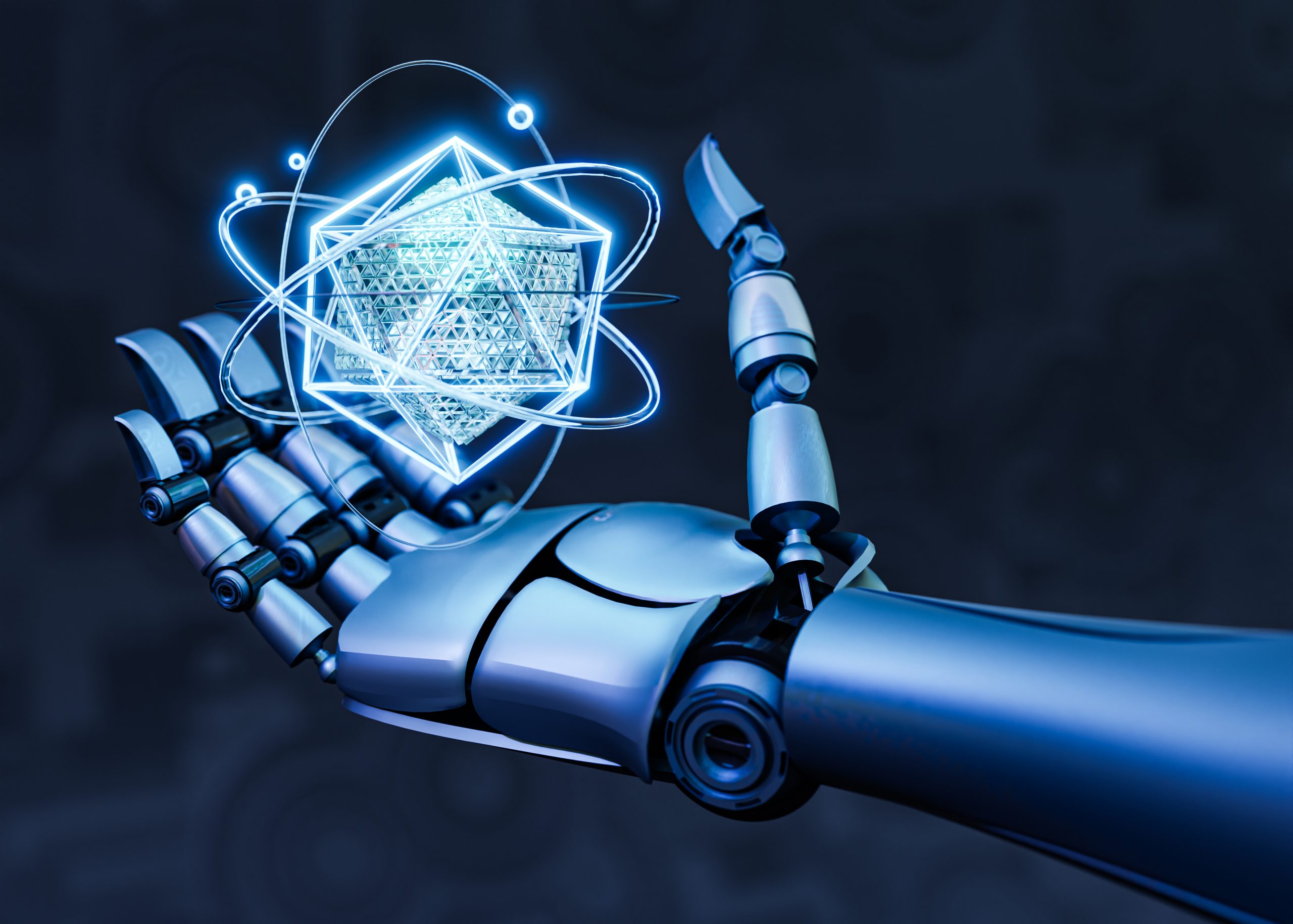
This growing fragility raises an important question: Can AI repair itself?
The idea may sound futuristic, but research into self-healing neural networks is rapidly advancing. These systems can detect performance degradation, identify internal issues, and autonomously repair or restructure themselves—much like how biological organisms heal wounds.
This article explores the rise of self-healing AI, how it works, why it matters, and the future implications of machines capable of maintaining their own intelligence.
Why AI Needs the Ability to Heal Itself
Complex Models Are More Prone to Failure
Modern neural networks contain millions—even billions—of interconnected parameters. With such vast complexity, things can go wrong:
-
Data inconsistencies
-
Model drift over time
-
Hardware faults in edge devices
-
Incorrect parameter updates
-
Catastrophic forgetting during training
As AI systems become embedded in critical real-world infrastructure, failures could have serious consequences.
AI Is Moving to Environments Where Human Intervention Is Limited
Self-healing is becoming essential as AI shifts into:
-
Autonomous vehicles
-
Drones in remote areas
-
Industrial robots
-
Smart IoT systems
-
Edge-based medical devices
In many of these scenarios, manual debugging isn’t possible.
AI must maintain itself.
What Exactly Are Self-Healing Neural Networks?
Self-healing neural networks are AI systems designed with the ability to:
-
Detect when something is wrong
-
Identify which components are failing
-
Repair, retrain, or restructure themselves
They mimic biological healing through autonomous adaptation.
How They Are Different from Traditional Neural Networks
Traditional AI must be manually updated or retrained when performance drops. Self-healing AI, however, continuously monitors itself.
It is:
-
Dynamic
-
Adaptive
-
Self-correcting
-
Resilient under changing conditions
This shift transforms AI from a static tool into an evolving system.
How Self-Healing Neural Networks Work
1. Continuous Performance Monitoring
Self-healing models constantly watch for:
-
Accuracy drops
-
Unexpected prediction distributions
-
Faulty neuron activations
-
Memory bottlenecks
-
Adversarial behavior
-
Broken data pipelines
When an anomaly is detected, the system initiates self-repair protocols.
2. Redundancy-Based Healing
Inspired by biological systems, redundancy ensures backup neural structures can take over.
This includes:
-
Duplicate neurons
-
Reserve subnetworks
-
Alternative computation pathways
If one part fails, another automatically activates.
3. Dynamic Reconfiguration of Network Architecture
Some self-healing models can restructure themselves by:
-
Adding new layers
-
Removing unnecessary parameters
-
Rebuilding damaged nodes
-
Re-routing computation paths
This is similar to how the human brain forms new neural pathways after injury.
4. Autonomous Local Retraining
The model retrains only the broken or underperforming sections rather than reprocessing the entire model.
Benefits include:
-
Faster healing
-
Lower computational cost
-
Preservation of previously learned knowledge
5. Neuroplasticity-Inspired Learning
Self-healing AI draws from neuroplasticity—the brain’s ability to rewire itself.
This allows models to:
-
Reassign tasks to different neurons
-
Adapt to new patterns
-
Strengthen or weaken connections
-
Avoid catastrophic forgetting
Real-World Applications of Self-Healing AI
1. Autonomous Vehicles
Self-healing networks can maintain reliability in situations where safety is critical:
-
Sensor malfunction
-
Weather-based data distortion
-
Partial hardware failures
An autonomous car cannot rely solely on remote engineers. It must react and adapt instantly.
2. Medical AI Devices
Imagine a pacemaker or glucose monitor with built-in AI that heals itself:
-
No software patches
-
No malfunction risks
-
Continual learning from patient data
Self-healing could dramatically improve patient safety.
3. Industrial Robotics
Manufacturing robots often operate nonstop and cannot afford downtime.
Self-healing AI would:
-
Detect sensor drift
-
Repair motor-control models
-
Prevent system crashes
This keeps production lines running smoothly.
4. Edge and IoT Systems
Edge devices have limited processing power and no direct supervision.
Self-healing helps counter:
-
Environmental noise
-
Energy fluctuations
-
Hardware wear and tear
This allows AI to operate reliably in remote or harsh environments.
5. Cybersecurity Systems
Self-healing networks can detect:
-
Anomalous traffic
-
Malware patterns
-
Data poisoning attacks
And then autonomously repair compromised components.
Benefits of Self-Healing Neural Networks
1. Reduced Maintenance Costs
Organizations spend millions retraining models and fixing errors.
Self-healing dramatically lowers operational costs.
2. Enhanced Reliability
AI becomes dependable even in unpredictable conditions.
3. Improved Safety
From autonomous cars to medical devices, self-healing reduces accident risks.
4. Longer Lifespan for AI Systems
Instead of becoming outdated, models refresh themselves over time.
5. Ever-Evolving Intelligence
Self-healing drives AI toward continuous improvement—machine intelligence that never stops learning.
Challenges and Limitations
Despite massive potential, self-healing AI is still in early development.
1. Complexity of Implementation
Teaching AI to repair itself is far more difficult than training static models.
2. Risk of Overcorrection
Autonomous repairs could introduce new errors if not properly guided.
3. Energy Consumption
Some healing processes require additional computing resources.
4. Reliability Concerns
Complete autonomy raises safety and accountability questions.
5. Security Risks
A system that can modify itself must be safeguarded against malicious manipulation.
The Future of Self-Healing AI
The Rise of Autonomous, Self-Maintaining Systems
Future AI systems may include built-in “immune systems” to detect failures instantly.
AI That Evolves Like an Organism
We may soon see neural networks that:
-
Grow new neurons
-
Regenerate lost pathways
-
Strengthen useful circuits
-
Discard inefficient ones
Merging Biological and Artificial Intelligence
Inspired by how brains heal, AI models will become more organic, adaptive, and alive.
True Artificial General Intelligence (AGI)
Self-healing is one of the core prerequisites for AGI.
To be truly intelligent, a system must:
-
Learn
-
Adapt
-
React
-
Repair
-
Evolve
Self-healing is a significant step toward that goal.
Conclusion
Self-healing neural networks represent one of the most transformative innovations in AI. As models become more autonomous, adaptable, and resilient, they will reshape industries that depend on reliability—from healthcare to transportation, security, and manufacturing.
The ability for AI to repair itself is no longer science fiction.
It is an emerging reality that will define the next generation of machine intelligence.

