Governance has always been a central challenge in crypto projects. Early models often relied on small core teams or informal decision-making, which conflicted with the ideals of decentralization. As ecosystems grew, these approaches became inefficient and sometimes controversial.
Decentralized Autonomous Organizations, or DAOs, are emerging as a more transparent and scalable governance model. By distributing decision-making across communities, DAOs are reshaping how crypto projects evolve, fund development, and resolve conflicts.
The Limits of Traditional Crypto Governance
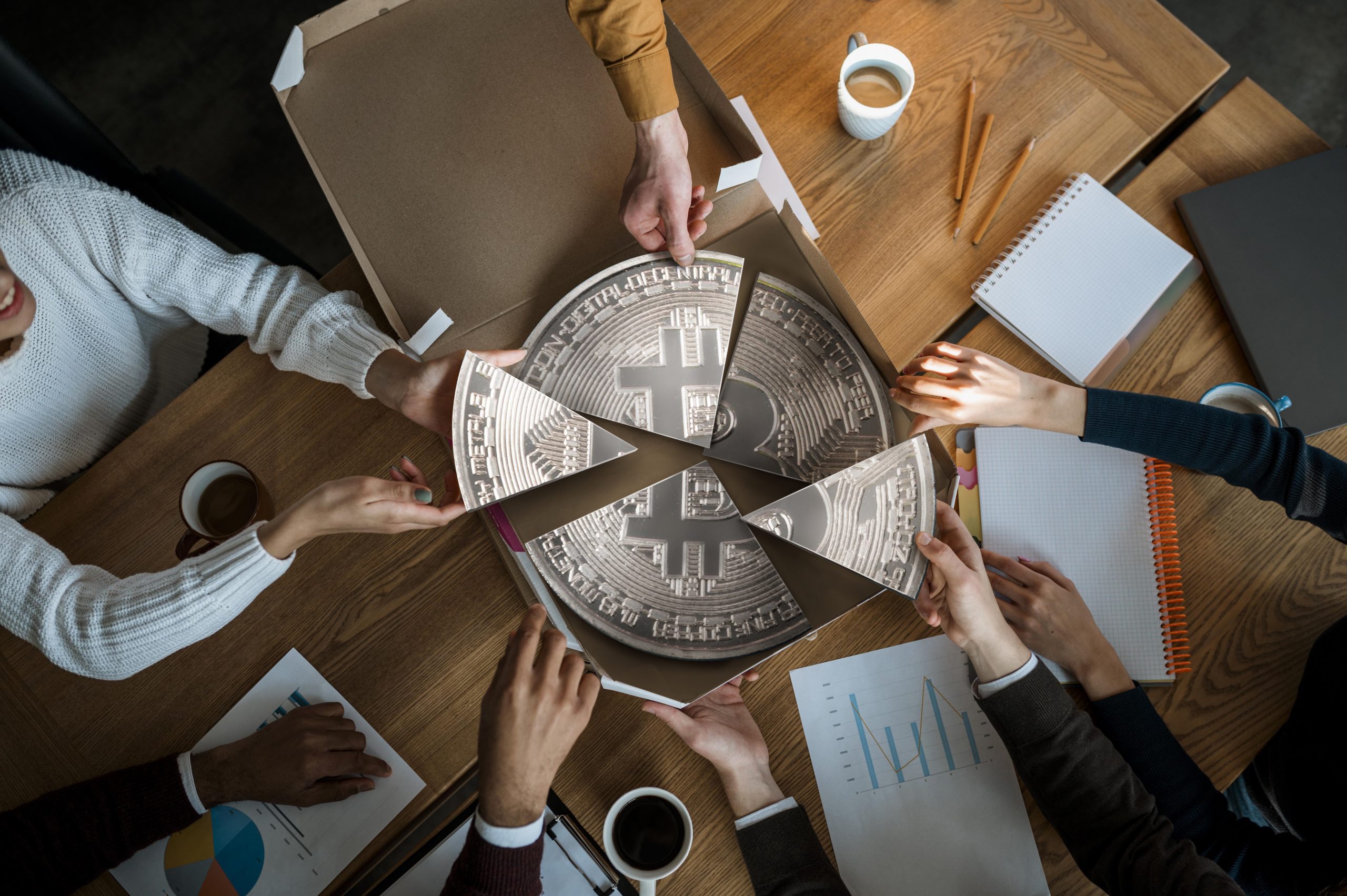
Traditional crypto governance models often concentrate power in the hands of founders, foundations, or early investors. While this can speed up decisions, it creates trust issues. Users may feel disconnected from the direction of the project.
As crypto matures, these limitations become more visible. Communities are demanding greater participation and accountability.
Centralized Decision-Making Risks
Centralized governance introduces single points of failure. Poor decisions or internal conflicts can destabilize entire ecosystems. In some cases, this has led to forks or loss of trust.
Decentralization aims to reduce these risks. Governance must reflect that goal.
Informal Governance and Lack of Transparency
Many early projects relied on off-chain discussions and informal votes. Decisions were not always documented clearly. This reduced accountability.
As financial stakes increased, informal processes became inadequate. More structured systems were needed.
What DAOs Bring to Crypto Governance
DAOs formalize governance using smart contracts and on-chain voting. Rules are transparent and enforced by code. This creates a shared framework for participation.
For crypto users, DAOs represent a shift from passive usage to active ownership. Governance becomes a core feature rather than an afterthought.
On-Chain Voting and Proposal Systems
DAOs use on-chain mechanisms to submit proposals and vote. Every action is recorded publicly. This transparency builds trust.
Clear processes reduce ambiguity. Participants know how decisions are made and executed.
Token-Based Participation Models
Most DAOs use governance tokens to allocate voting power. Token holders influence project direction. This aligns incentives between users and the protocol.
While not perfect, token-based models encourage long-term commitment. Ownership and governance are linked.
How DAOs Improve Transparency and Accountability
Transparency is one of the strongest advantages of DAOs. Decisions, votes, and treasury movements are visible on-chain. This reduces suspicion and mismanagement.
Accountability increases when actions are traceable. Leaders answer to the community.
Public Treasuries and Spending Oversight
DAO treasuries are often managed through smart contracts. Spending requires approval. This limits misuse of funds.
Community oversight strengthens financial discipline. Trust is earned through openness.
Immutable Governance Records
Once recorded on-chain, governance actions cannot be altered. This creates a permanent history. Disputes can be resolved by referencing facts.
Such records are valuable as DAOs grow. Institutional participants often demand this level of transparency.
DAOs vs Traditional Governance Models
DAOs differ fundamentally from traditional governance in structure and execution. They replace hierarchy with coordination. Authority is distributed rather than assigned.
This shift changes how projects respond to challenges. Adaptability becomes collective.
Speed vs Inclusivity Trade-Offs
DAOs may move slower due to voting processes. However, decisions reflect broader consensus. This reduces backlash.
Some projects balance speed and inclusivity with delegated voting. Hybrid models are emerging.
Global Participation and Accessibility
DAOs allow participation from anywhere. Time zones and borders matter less. This inclusivity strengthens communities.
Traditional governance often excludes global contributors. DAOs reverse this pattern.
Challenges Facing DAO Governance
Despite their promise, DAOs face real challenges. Voter apathy, governance attacks, and coordination issues persist. These problems require ongoing experimentation.
DAOs are still evolving. Improvement is continuous.
Low Voter Participation
Many token holders do not vote regularly. This concentrates power among active minorities. Engagement is a challenge.
Incentives and better interfaces are being tested. Participation remains a key focus.
Governance Capture and Token Concentration
Large token holders can dominate votes. This undermines decentralization. Addressing this requires thoughtful design.
Mechanisms like quadratic voting aim to reduce imbalance. No solution is perfect yet.
How DAOs Are Evolving Governance Design
DAO governance is not static. New models are emerging to address shortcomings. Innovation is constant.
These experiments are shaping the future of decentralized coordination.
Delegated and Layered Governance
Some DAOs use delegation to improve efficiency. Token holders assign votes to trusted representatives. This balances expertise and participation.
Layered governance separates operational decisions from strategic ones. This improves clarity.
Reputation-Based and Non-Token Models
Projects are exploring governance based on reputation rather than tokens. Contributions matter more than capital. This aligns incentives differently.
Such models may reduce plutocracy. They are still in early stages.
DAOs and the Broader Crypto Ecosystem
DAOs are influencing more than just protocol governance. They are reshaping funding, community management, and collaboration. Their impact extends across Web3.
As DAOs mature, their role expands.
Funding Open-Source Development
DAOs fund grants, bounties, and research. This decentralizes innovation funding. Developers gain more autonomy.
Community-driven funding aligns priorities. It supports sustainable growth.
Cross-DAO Collaboration
DAOs increasingly collaborate through shared initiatives. Cross-governance frameworks are emerging. Coordination improves efficiency.
Interoperable governance strengthens the ecosystem. Collective action becomes possible.
The Future of DAO-Led Governance
DAOs are not a perfect solution, but they represent meaningful progress. Over time, best practices will emerge. Governance will become more refined.
The shift toward DAOs reflects deeper changes in how communities organize.
Toward More Adaptive Governance Systems
Future DAOs will adjust rules dynamically. Governance will respond to context and scale. Flexibility is key.
Adaptive systems outperform rigid structures. Evolution is built in.
Beyond Crypto-Native Projects
DAO governance is spreading beyond crypto. Social groups, investment clubs, and even enterprises are experimenting. The model has broader relevance.
DAOs may influence governance beyond blockchain. Their principles are transferable.
Conclusion
DAOs are redefining crypto governance by replacing centralized and informal models with transparent, community-driven systems. They bring accountability, inclusivity, and structure to decentralized projects. While challenges remain, their advantages are clear.
As governance design improves, DAOs will continue to replace traditional crypto governance models. They represent a shift toward collective ownership and decision-making. In doing so, they are shaping the future of decentralized ecosystems.

