Blockchain technology has made major strides over the past decade, but scalability has remained one of its biggest limitations. High fees, slow transaction times, and network congestion have often stood in the way of mainstream adoption. Layer-2 networks are emerging as a practical solution to these challenges, fundamentally changing how users experience crypto.
As Layer-2 adoption accelerates, crypto is becoming faster, cheaper, and more accessible. These networks are no longer experimental add-ons. They are becoming essential infrastructure that shapes how users transact, trade, and build on blockchains.
Understanding Layer-2 Networks
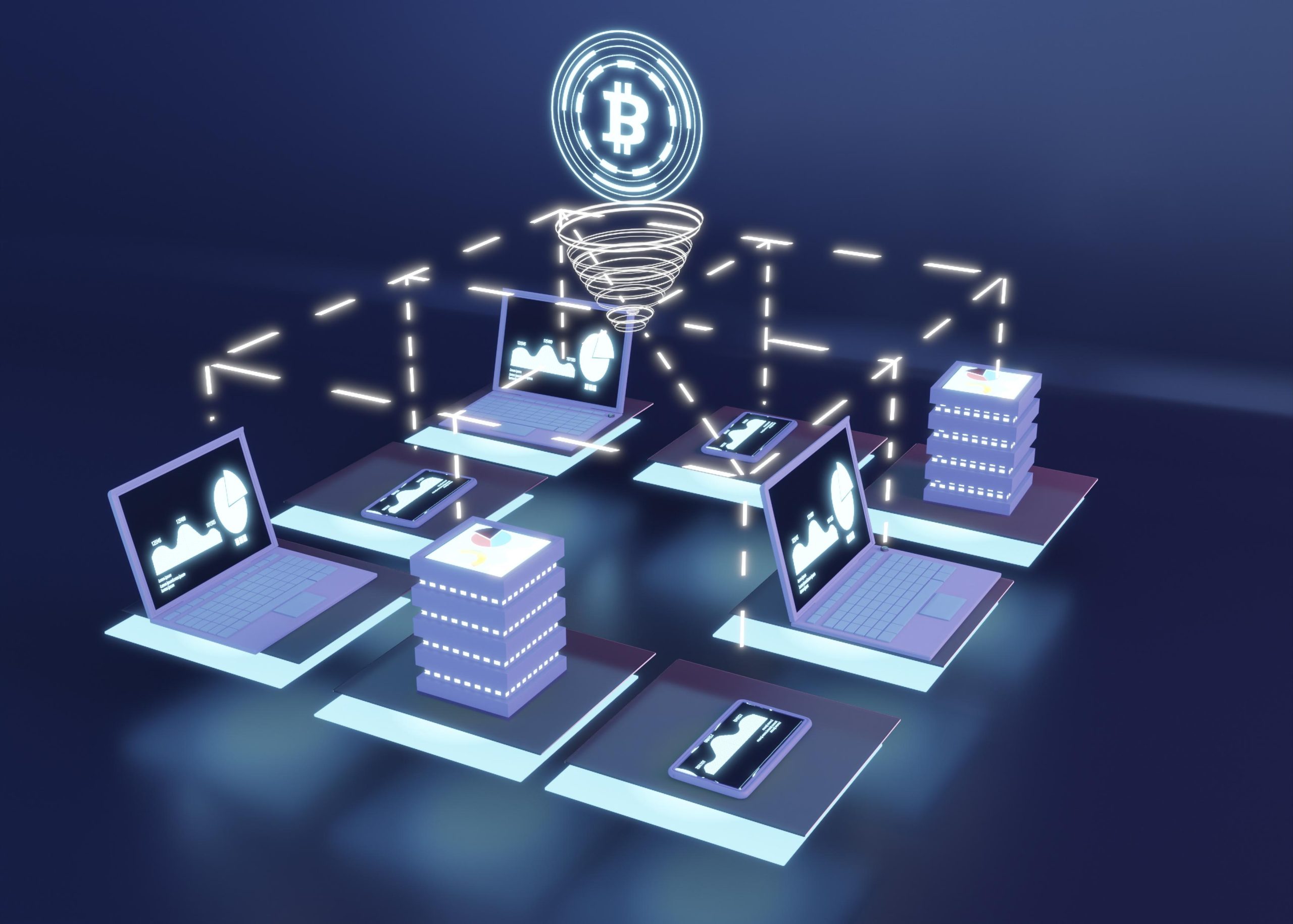
Layer-2 networks are protocols built on top of existing blockchains, designed to improve scalability without compromising security. They handle transactions off the main chain while still relying on it for final settlement and trust. This allows blockchains to process more activity efficiently.
For crypto users, Layer-2 networks represent a shift from theoretical scalability promises to real-world usability. They address everyday pain points that have limited participation and slowed adoption.
How Layer-2 Differs From Layer-1
Layer-1 refers to the base blockchain, such as Ethereum or Bitcoin, where security and decentralization are prioritized. However, these networks have limited throughput. Layer-2 solutions move transaction execution off-chain while keeping verification tied to Layer-1.
This separation allows Layer-1 networks to remain secure while Layer-2 networks focus on speed and cost efficiency. The result is a more balanced blockchain ecosystem.
Common Types of Layer-2 Solutions
Layer-2 networks include rollups, state channels, and sidechains. Rollups, especially optimistic and zero-knowledge rollups, have gained the most traction due to their strong security models. They bundle many transactions into one and submit proofs back to the main chain.
Each approach has trade-offs, but all aim to improve user experience. Over time, rollups have emerged as the dominant solution for smart contract platforms.
Why Layer-2 Networks Are Growing Rapidly
The growth of Layer-2 networks is driven by necessity rather than hype. As blockchain usage increased, limitations became impossible to ignore. Layer-2 adoption is a direct response to user demand for affordable and fast transactions.
This growth also reflects a broader shift toward practical blockchain design. Instead of pushing Layer-1 networks beyond their limits, the ecosystem is embracing modular architecture.
Rising Transaction Costs on Layer-1
High gas fees have priced many users out of Layer-1 networks. During periods of heavy usage, even simple transactions can become prohibitively expensive. This has discouraged experimentation and everyday use.
Layer-2 networks offer a clear alternative. By reducing fees significantly, they reopen access to users who were previously sidelined by costs.
Demand for Better User Experience
Crypto users increasingly expect seamless interactions similar to traditional digital apps. Long confirmation times and failed transactions undermine trust. Layer-2 networks dramatically improve responsiveness.
This improvement changes how users perceive blockchain technology. It feels less like an experiment and more like usable infrastructure.
What Layer-2 Means for Everyday Crypto Users
For everyday users, Layer-2 networks are not just technical upgrades. They directly affect how people send money, interact with decentralized apps, and manage digital assets. These changes are subtle but powerful.
As Layer-2 adoption grows, users may interact with blockchain technology without even realizing it. Complexity is gradually being abstracted away.
Lower Fees and Faster Transactions
One of the most immediate benefits of Layer-2 networks is reduced transaction fees. Transfers that once cost several dollars can now cost cents or less. Confirmation times are also significantly faster.
This makes small transactions viable again. Users can experiment, trade, and interact with apps without worrying about excessive costs.
Improved Access to DeFi and NFTs
High fees have limited participation in decentralized finance and NFT markets. Layer-2 networks lower entry barriers, allowing more users to engage with these ecosystems. This increases diversity and activity.
For creators and smaller investors, Layer-2 networks create a more level playing field. Participation becomes more about interest and skill than capital size.
Impact on Developers and Applications
Layer-2 growth is reshaping how developers build blockchain applications. Instead of optimizing around Layer-1 constraints, developers can focus on usability and scale. This leads to better products and broader adoption.
The development environment is also becoming more competitive. Applications must choose Layer-2 solutions carefully to balance performance and user reach.
Faster Innovation Cycles
Lower costs and faster execution allow developers to iterate more quickly. Testing features on Layer-2 networks is cheaper and less risky. This accelerates innovation across the ecosystem.
As experimentation increases, successful ideas can scale more efficiently. Layer-2 networks act as testing grounds for the future of blockchain apps.
Fragmentation and User Onboarding Challenges
While Layer-2 networks offer benefits, they also introduce fragmentation. Users must navigate multiple networks, bridges, and wallets. This can be confusing for newcomers.
However, tooling and interfaces are improving. Over time, these challenges are likely to fade as Layer-2 integration becomes more seamless.
Security and Trust Considerations
Security remains a top concern for crypto users. Layer-2 networks rely on Layer-1 for settlement, but their designs vary in trust assumptions. Understanding these differences is important for informed participation.
As adoption grows, security models are becoming more transparent and robust. Education plays a key role in building confidence.
How Layer-2 Inherits Security
Most Layer-2 solutions anchor their security to the underlying blockchain. Fraud proofs or validity proofs ensure that incorrect transactions can be challenged. This maintains trust without sacrificing efficiency.
For users, this means Layer-2 networks are not separate systems but extensions of existing blockchains.
Risks Users Should Be Aware Of
Smart contract bugs, bridge vulnerabilities, and upgrade risks still exist. Users should understand that Layer-2 networks are evolving technologies. Due diligence remains important.
That said, risk profiles are improving rapidly. Many Layer-2 networks now rival Layer-1 systems in reliability.
The Broader Impact on Crypto Adoption
Layer-2 networks are playing a critical role in making crypto usable at scale. By addressing fundamental limitations, they bring blockchain closer to mainstream adoption. This impact goes beyond technical metrics.
As usability improves, crypto becomes more approachable for non-technical users. This expands the ecosystem naturally.
Enabling Global Microtransactions
Low fees make microtransactions practical for the first time on blockchain networks. This opens use cases like tipping, micropayments, and pay-per-use services. These models were previously impractical.
Such use cases align closely with real-world economic activity. They strengthen crypto’s relevance beyond speculation.
Supporting Enterprise and Consumer Use
Businesses require predictable costs and reliable performance. Layer-2 networks provide the consistency needed for enterprise applications. This encourages corporate experimentation with blockchain.
At the same time, consumer-facing apps become smoother and more intuitive. Both segments benefit from improved infrastructure.
The Future of Layer-2 Networks
Layer-2 networks are not a temporary fix. They are becoming a permanent layer in blockchain architecture. Their continued growth will shape how crypto evolves over the next decade.
As standards emerge, the ecosystem will become more cohesive. Interoperability and abstraction will define the next phase.
Toward a Modular Blockchain Stack
The industry is moving toward modular design, where execution, settlement, and data availability are separated. Layer-2 networks are central to this vision. They enable specialization without sacrificing security.
This architecture allows blockchains to scale sustainably. It also encourages innovation across different layers.
What Users Can Expect Going Forward
Users can expect smoother experiences, lower costs, and greater choice. Wallets and apps will increasingly default to Layer-2 networks. Layer-1 interactions may become less visible over time.
This shift will happen gradually but steadily. For users, the benefits will feel natural rather than disruptive.
Conclusion
The growth of Layer-2 networks marks a turning point for crypto usability. By addressing long-standing issues around cost and speed, these networks are transforming how users interact with blockchain technology. What once felt slow and expensive is becoming fast and accessible.
Layer-2 networks are not just scaling solutions. They are redefining the user experience and laying the foundation for broader adoption. As they mature, crypto will move closer to fulfilling its promise as a practical, global financial system built for everyday use.

