AI-driven automation is no longer an experiment or a future promise. In 2026, it has become a core part of how modern IT operations function. Organizations are moving beyond basic scripts and rule-based tools and adopting intelligent systems that can analyze data, make decisions, and take action with minimal human involvement.
IT teams today face constant pressure. Systems are more complex, cyber threats are more advanced, and users expect zero downtime. Traditional IT operations models cannot keep up at this scale. AI-driven automation is filling that gap by making IT environments faster, smarter, and more resilient.
This shift is not about replacing IT professionals. It is about changing how they work, what they focus on, and how IT delivers value to the business.
Understanding AI-Driven Automation in IT Operations
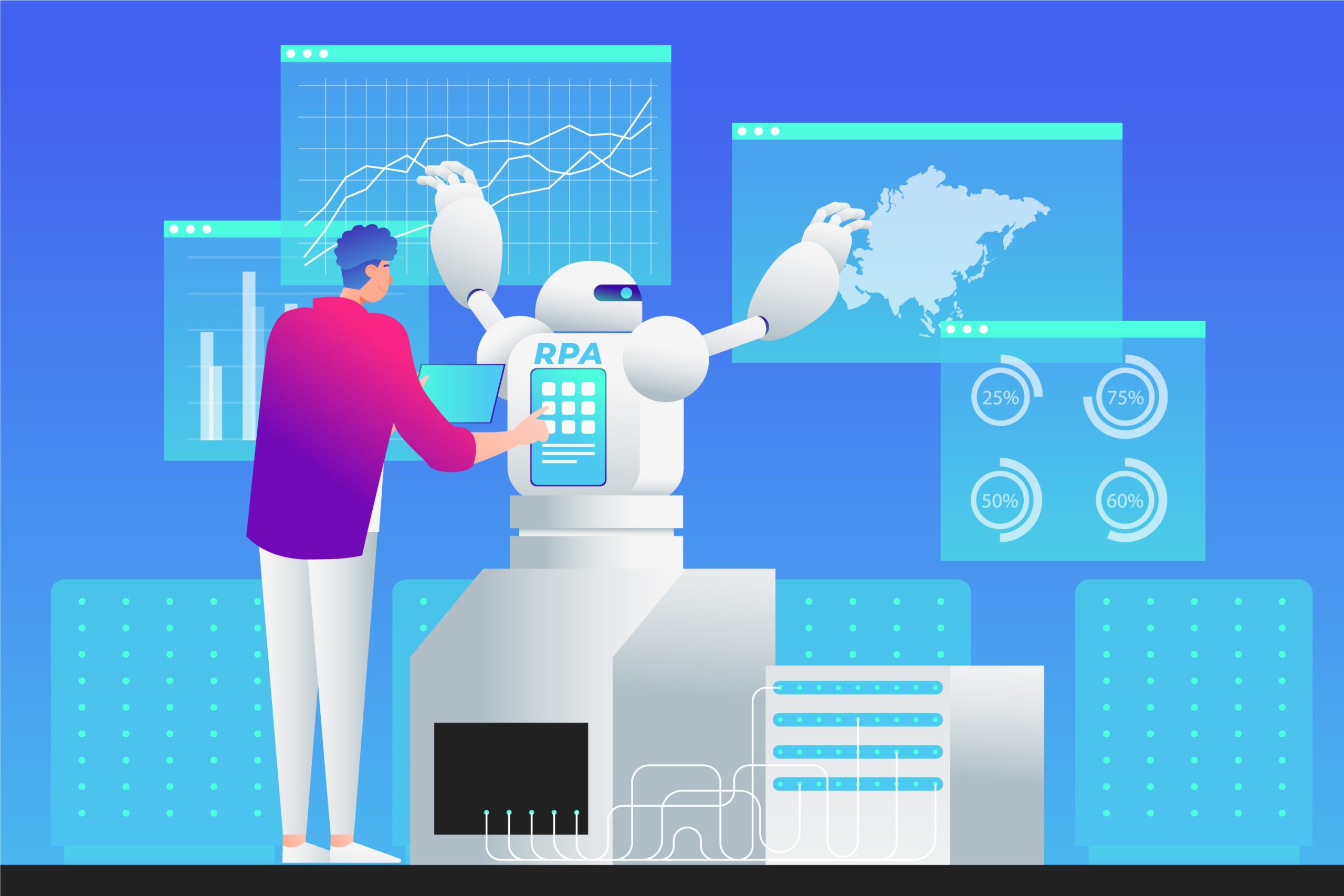
AI-driven automation combines artificial intelligence technologies with operational workflows to handle tasks that previously required manual effort or rigid scripting. Unlike traditional automation, AI systems learn from data, adapt to changing conditions, and improve over time.
In IT operations, this means systems that can detect anomalies, predict failures, optimize performance, and even resolve incidents without waiting for human intervention. These capabilities are built using machine learning, natural language processing, and advanced analytics.
How AI Automation Differs from Traditional IT Automation
Traditional IT automation relies on predefined rules. If a condition is met, a specific action is triggered. While effective for simple tasks, this approach breaks down in dynamic environments where conditions constantly change.
AI-driven automation goes further. It understands patterns instead of fixed rules. It can identify unusual behavior, determine probable causes, and choose the best response based on past outcomes.
This shift allows IT operations to move from reactive firefighting to proactive and predictive management.
The Evolution of IT Operations Leading to 2026
Over the past decade, IT environments have changed dramatically. Cloud computing, hybrid infrastructures, remote work, and edge devices have increased complexity at every level. Managing these systems manually is no longer realistic.
By 2026, most enterprises operate across multiple cloud platforms, on-premises systems, and distributed networks. Each generates massive volumes of logs, metrics, and events. AI-driven automation has emerged as the only scalable way to make sense of this data and act on it in real time.
From Manual Monitoring to Intelligent Operations
Earlier IT operations depended heavily on dashboards and alerts. Engineers spent hours reviewing logs and responding to tickets. This model led to alert fatigue and slow incident resolution.
AI-powered operations platforms now correlate events across systems, suppress noise, and highlight what truly matters. Instead of thousands of alerts, IT teams receive prioritized insights and recommended actions.
AI-Driven Automation in Infrastructure Management
One of the most significant impacts of AI automation is in infrastructure management. Servers, networks, storage, and cloud resources are now managed by systems that continuously optimize performance and availability.
Predictive Maintenance and Self-Healing Systems
AI models analyze historical performance data to predict when components are likely to fail. In 2026, many organizations rely on predictive maintenance to avoid outages entirely.
When issues do occur, self-healing systems can automatically restart services, reroute traffic, or allocate additional resources. These actions often happen before users even notice a problem.
This reduces downtime, improves service reliability, and lowers operational costs.
Dynamic Resource Optimization
AI-driven automation constantly adjusts infrastructure resources based on real-time demand. Instead of static capacity planning, systems scale up or down automatically.
This is especially critical in cloud environments, where over-provisioning wastes money and under-provisioning hurts performance. AI ensures the right resources are available at the right time.
Transforming IT Service Management with AI
IT service management has undergone a major transformation due to AI automation. Ticket handling, incident resolution, and user support are faster and more accurate than ever before.
Intelligent Incident Detection and Resolution
AI systems can detect incidents by analyzing patterns across logs, metrics, and user behavior. They often identify problems before users submit tickets.
Once an incident is detected, automation workflows can diagnose the root cause and apply fixes automatically. If human involvement is needed, the system provides context, probable causes, and recommended solutions.
This significantly reduces mean time to resolution and improves user satisfaction.
AI-Powered Virtual Assistants for IT Support
In 2026, AI chatbots and virtual assistants handle a large portion of IT support requests. They understand natural language, access knowledge bases, and execute actions such as password resets or access requests.
These assistants free IT staff from repetitive tasks and provide users with instant support at any time.
Security Operations and AI-Driven Automation
Cybersecurity is one of the areas where AI automation delivers the most value. Threats are more sophisticated, faster, and harder to detect using traditional methods.
Real-Time Threat Detection and Response
AI models analyze network traffic, user behavior, and system activity to detect anomalies that may indicate an attack. Unlike signature-based tools, AI can identify previously unknown threats.
When a threat is detected, automated responses can isolate affected systems, block malicious traffic, and alert security teams with detailed analysis.
This speed is critical in preventing data breaches and minimizing damage.
Reducing Human Error in Security Operations
Many security incidents are caused by misconfigurations or delayed responses. AI-driven automation helps enforce security policies consistently and reduces reliance on manual processes.
By automating routine security tasks, organizations reduce the risk of mistakes and ensure faster response times.
The Role of AIOps in Modern IT Operations
AIOps, or Artificial Intelligence for IT Operations, has become a standard approach in 2026. It brings together data from across the IT stack and applies AI to improve operational outcomes.
Unified Visibility Across Complex Environments
AIOps platforms provide a single view of infrastructure, applications, and services. They correlate data across silos to identify patterns that humans might miss.
This unified visibility helps IT teams understand how different components interact and how issues in one area affect others.
Smarter Decision-Making with Contextual Insights
Instead of relying on intuition or incomplete data, IT leaders can make informed decisions based on AI-generated insights. These insights include performance trends, risk assessments, and optimization opportunities.
This leads to better planning, faster problem resolution, and improved alignment between IT and business goals.
How AI Automation Is Changing the Role of IT Professionals
As AI-driven automation takes over routine tasks, the role of IT professionals is evolving. This shift is not about job loss but about job transformation.
From Operators to Strategists
IT teams spend less time on manual maintenance and more time on strategic initiatives. They focus on architecture design, innovation, and improving business processes.
AI handles the operational noise, allowing humans to concentrate on creativity, judgment, and complex problem-solving.
New Skills for the AI-Driven IT Era
In 2026, IT professionals need skills beyond traditional system administration. Understanding AI models, data analysis, and automation design is increasingly important.
Collaboration between IT, data science, and security teams has also become more common, reflecting the integrated nature of modern IT operations.
Challenges and Risks of AI-Driven Automation
Despite its benefits, AI-driven automation comes with challenges that organizations must address carefully.
Trust, Transparency, and Control
AI systems can make decisions that are difficult to explain. This lack of transparency can create trust issues, especially in critical environments.
Organizations need clear governance frameworks, human oversight, and explainable AI models to ensure responsible use.
Data Quality and Bias
AI automation is only as good as the data it uses. Poor data quality or biased datasets can lead to incorrect decisions and unintended consequences.
Continuous monitoring, data validation, and model tuning are essential to maintain accuracy and fairness.
The Future Outlook Beyond 2026
AI-driven automation will continue to evolve beyond 2026. Systems will become more autonomous, context-aware, and capable of managing entire IT environments with minimal human input.
We are moving toward a future where IT operations are largely self-managing, self-optimizing, and self-securing. Human involvement will focus on governance, innovation, and ethical oversight rather than day-to-day operations.
Conclusion
In 2026, AI-driven automation is fundamentally reshaping IT operations. It is transforming how infrastructure is managed, how incidents are resolved, how security threats are handled, and how IT teams work.
Organizations that embrace this shift gain faster operations, lower costs, improved reliability, and stronger security. Those that resist risk falling behind in an increasingly complex digital world.
AI-driven automation is no longer optional. It is the foundation of modern IT operations and a key driver of success in the years ahead.

