Data storage is undergoing one of the most critical transformations in the history of information technology. By 2026, the volume of data generated worldwide will have reached unprecedented levels, driven by AI systems, IoT devices, high-resolution media, and always-on digital services. Traditional storage technologies are struggling to keep up with demands for speed, density, reliability, and energy efficiency.
As a result, the storage industry is evolving rapidly. From revolutionary concepts like DNA-based data storage to continuous improvements in ultra-fast solid-state drives, storage technologies are being redefined from the ground up. These breakthroughs are not just technical achievements. They are reshaping how IT systems are designed, scaled, and operated.
Understanding these developments is essential for organizations planning future-ready infrastructure.
Why Data Storage Innovation Has Become Critical
Modern digital systems depend entirely on data. Applications, analytics, automation, and artificial intelligence all rely on fast and reliable access to massive datasets.
Explosion of Data Across Industries
Every industry now generates data at scale. Video streams, sensor data, transaction records, and AI training datasets consume enormous storage capacity.
Traditional storage models were not designed for this level of growth. Innovation has become necessary to prevent storage from becoming a bottleneck.
Rising Expectations for Performance and Availability
Users expect instant access to data and uninterrupted services. Even minor delays can affect productivity and customer experience.
Storage systems must deliver high performance while remaining reliable and cost-efficient.
Evolution of Traditional Storage Technologies
Before exploring emerging breakthroughs, it is essential to understand how conventional storage has evolved.
From Hard Drives to Solid State Storage
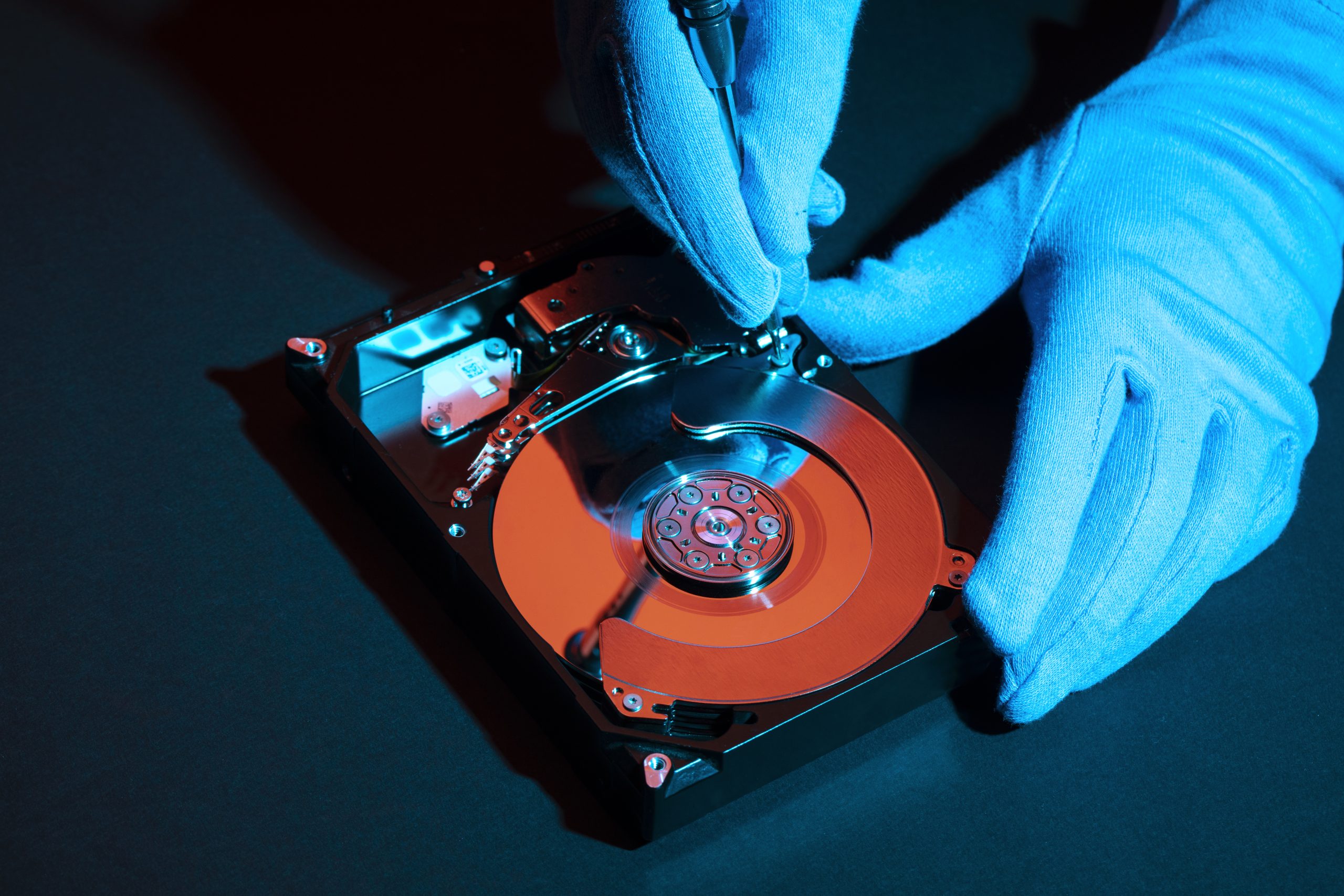
Hard disk drives dominated storage for decades due to low cost and high capacity. However, their mechanical nature limits speed and durability.
Solid-state drives replaced spinning disks in performance-critical environments by offering faster access times, lower latency, and greater reliability.
Continuous Improvements in NAND Technology
Advances in NAND flash technology have increased storage density and reduced cost per gigabyte.
Multi-layer cell designs and improved manufacturing processes have made SSDs more accessible for enterprise and consumer use.
Ultra Fast SSDs Redefining Performance Standards
Ultra-fast SSDs represent the current pinnacle of mainstream storage performance.
NVMe and High-Speed Interfaces
The introduction of NVMe protocols has removed many of the limitations of older storage interfaces.
By connecting directly to high-speed system buses, modern SSDs deliver extremely low latency and high throughput.
Impact on Enterprise Workloads
Databases, virtualization platforms, and AI workloads benefit significantly from ultra-fast SSDs.
Faster storage improves application responsiveness, reduces processing time, and enables real-time analytics at scale.
Storage Class Memory: Bridging the Gap
Storage class memory technologies aim to bridge the gap between traditional memory and persistent storage.
Combining Speed and Persistence
These technologies offer near-memory speeds while retaining data when power is lost.
This enables new system architectures where data can be accessed almost instantly after a start.
Enabling New Application Models
Applications can process data directly in persistent memory without repeated loading from disk.
This reduces overhead and opens the door to faster, more efficient computing models.
DNA Data Storage as a Long-Term Breakthrough
DNA data storage represents one of the most radical innovations in storage technology.
How DNA Storage Works
Digital data is encoded into sequences of DNA molecules.
These molecules can store vast amounts of information in a tiny physical space.
Unmatched Density and Longevity
DNA can store data at densities far beyond any current technology.
When stored properly, DNA remains stable for thousands of years, making it ideal for long-term archival storage.
Use Cases for DNA-Based Storage
While DNA storage is not yet mainstream, its potential applications are significant.
Archival and Cold Data Storage
Organizations generate large volumes of data that must be preserved but rarely accessed.
DNA storage is well-suited for archives, historical records, and scientific data preservation.
Reducing Environmental Impact
DNA storage requires minimal energy for long-term storage compared to traditional data centers.
This makes it attractive for sustainable data preservation strategies.
Challenges Slowing Adoption of DNA Storage
Despite its promise, DNA storage faces practical challenges.
High Cost and Slow Access
Encoding and decoding DNA data remains expensive and time-consuming.
This limits its use to niche scenarios rather than everyday workloads.
Integration With Existing Systems
Current IT systems are not designed to interact with biological storage.
Significant advances are needed to make DNA storage accessible and practical at scale.
Role of AI in Modern Storage Systems
Artificial intelligence is playing a growing role in how data is stored and managed.
Intelligent Data Placement
AI-driven storage systems analyze access patterns and automatically place data on the most appropriate storage tier.
Frequently accessed data stays on fast storage, while less-used data moves to cost-effective options.
Predictive Maintenance and Optimization
AI helps predict hardware failures and optimize performance.
This improves reliability and reduces downtime in large-scale storage environments.
Object Storage and Software-Defined Approaches
Modern storage architectures are increasingly software-driven.
Object Storage for Massive Scale
Object storage systems handle large volumes of unstructured data efficiently.
They are widely used for cloud storage, backups, and content delivery.
Flexibility Through Software-Defined Storage
Software-defined storage decouples storage management from hardware.
This flexibility allows organizations to scale and adapt storage infrastructure more easily.
Data Storage and Cloud Environments
Cloud computing has transformed how organizations consume storage.
Elastic and On-Demand Storage Models
Cloud storage allows organizations to scale capacity instantly without upfront investment.
This model supports dynamic workloads and rapid growth.
Hybrid Storage Strategies
Many organizations combine on-premises storage with cloud services.
This hybrid approach balances performance, cost, and compliance requirements.
Security and Data Protection Innovations
As data volumes grow, protecting stored information becomes increasingly important.
Built-In Encryption and Access Controls
Modern storage systems include encryption by default and fine-grained access controls.
These features help protect sensitive data from unauthorized access.
Advanced Backup and Recovery Techniques
Innovations in snapshotting and replication improve recovery times and data resilience.
This ensures business continuity even during major incidents.
The Future of Data Storage Technologies
Data storage will continue to evolve as demand grows.
Future breakthroughs may include faster non-volatile memory, more practical DNA storage, and deeper integration with AI systems.
Storage platforms will become more autonomous, managing performance, cost, and protection with minimal human intervention.
Conclusion
Breakthroughs in data storage, from ultra-fast SSDs to experimental DNA-based systems, are reshaping the foundation of modern IT infrastructure.
These innovations address the growing need for speed, scale, efficiency, and sustainability in a data-driven world.
Organizations that understand and adopt the right storage technologies will be better equipped to support future workloads, protect critical data, and maintain long-term competitiveness in an increasingly digital economy.

