Britain has announced one of the most ambitious attempts yet to regulate how young people interact with the internet. Prime Minister Keir Starmer’s government has unveiled plans to prohibit children under the age of 16 from accessing major social media platforms, a move that has immediately sparked debate among parents, educators, technology companies, digital rights advocates, and policymakers around the world. The proposal is designed to address growing concerns regarding online safety, mental health, cyberbullying, harmful content, and the increasing influence that social media platforms have on younger generations.
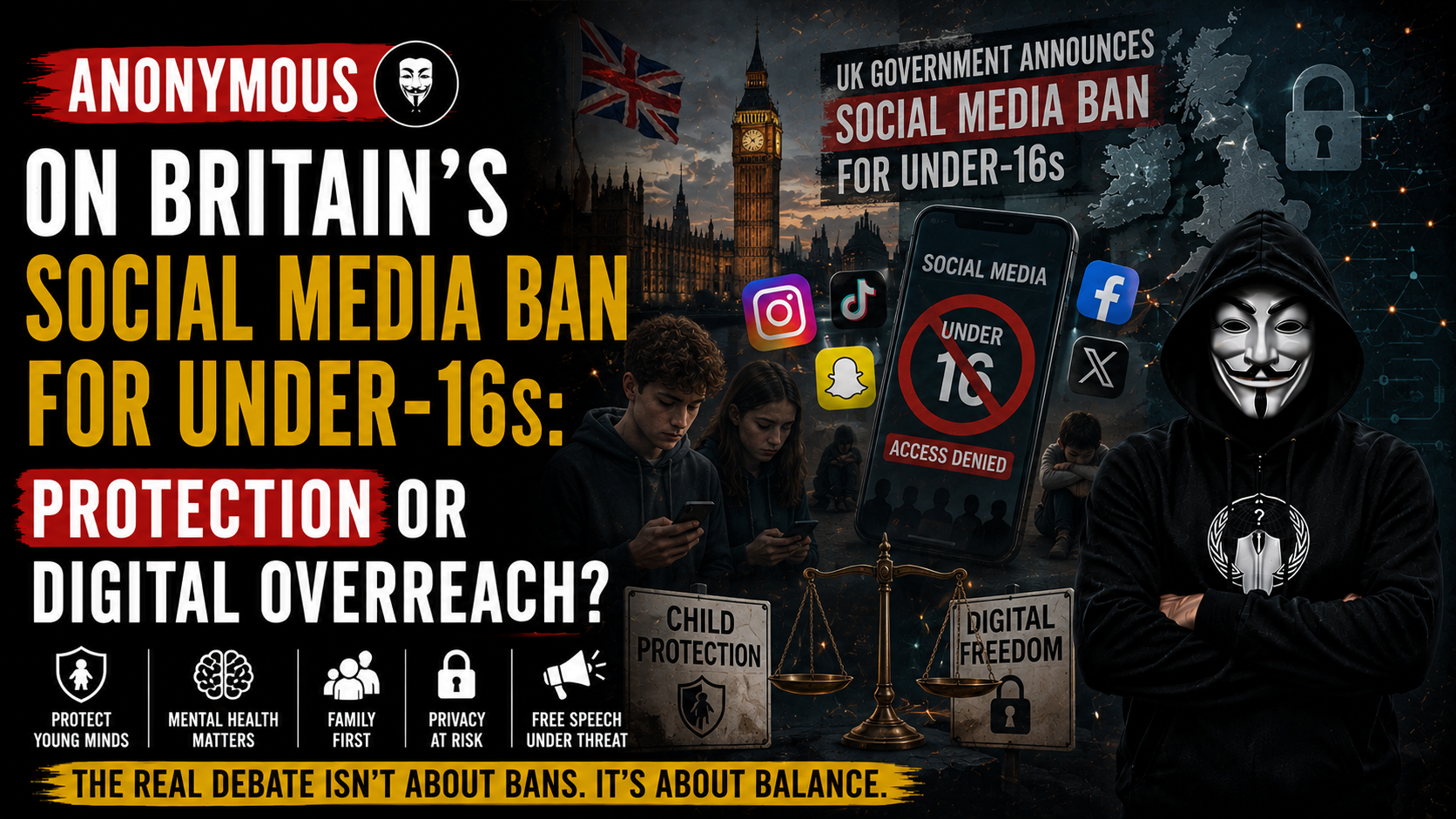
Supporters of the policy describe it as a necessary response to a growing crisis affecting children and teenagers. They point to rising concerns about screen addiction, anxiety, depression, online harassment, and the powerful algorithms that shape how young users consume information. Critics, however, argue that the proposal raises important questions regarding privacy, freedom of expression, parental responsibility, and the extent to which governments should regulate access to digital spaces. The debate extends far beyond Britain because the issues involved affect societies across the world.
Why Britain Is Taking Action
The decision did not emerge in isolation. For years, researchers, health professionals, educators, and lawmakers have warned about the potential consequences of excessive social media use among children. Numerous studies have linked heavy platform usage to sleep disruption, reduced attention spans, anxiety, and exposure to harmful or inappropriate content. Reports of cyberbullying, online exploitation, self-harm content, and dangerous viral trends have intensified calls for stronger protections.
Government officials argue that technology companies have had years to address these concerns but have failed to implement sufficient safeguards. While platforms have introduced parental controls, content moderation systems, and age restrictions, critics claim that these measures have not adequately protected younger users. The new proposal reflects a growing belief among policymakers that voluntary industry measures are no longer enough and that stronger legal requirements are necessary.
Many parents have welcomed the announcement, arguing that children are being exposed to digital environments that are increasingly difficult to monitor and control. For families concerned about the impact of social media on mental health and personal development, the proposal represents an attempt to restore boundaries in a rapidly changing technological landscape.
The Challenges Facing Young People Online
Social media has transformed childhood and adolescence in ways that previous generations could never have imagined. Young people today grow up in an environment where online interactions often carry as much significance as face-to-face relationships. Platforms provide opportunities for communication, creativity, education, and entertainment, but they also expose users to risks that can be difficult to manage.
The pressure to maintain online identities, respond to constant notifications, and compare personal experiences with carefully curated content has become a source of concern for many mental health professionals. Young users are often exposed to unrealistic standards regarding appearance, success, popularity, and lifestyle. In some cases, this can contribute to anxiety, low self-esteem, and social isolation.
Supporters of the proposed ban argue that these challenges have reached a point where government intervention is justified. They believe that reducing children’s access to social media during critical developmental years could help address many of the issues currently affecting young people.
Critics Question the Approach
Despite widespread concern about online safety, the proposal has also attracted significant criticism. Opponents argue that banning access does not necessarily solve the underlying problems. They point out that young people have consistently found ways around digital restrictions and may simply migrate to alternative platforms or use technological tools to bypass age verification systems.
Critics also argue that social media is not inherently harmful and that many young people use these platforms responsibly. For some teenagers, online communities provide valuable opportunities for learning, self-expression, and social connection. Removing access entirely could limit opportunities for communication and participation in modern digital culture.
Another concern involves the practical challenges of enforcement. Age verification systems often require the collection of personal information, raising questions about privacy and data security. Some digital rights advocates warn that measures designed to protect children could unintentionally expand surveillance and require individuals to share more information with technology companies than they currently do.
These concerns have fueled an ongoing debate about whether regulation should focus on restricting access or improving the safety of digital platforms themselves.
Technology Companies Face New Pressure
The proposed legislation places significant responsibility on technology companies. Rather than relying solely on parents or schools, the government intends to require platforms to verify user ages and prevent underage access. Companies that fail to comply could face substantial penalties and increased regulatory scrutiny.
This approach reflects a broader shift in how governments view the role of technology firms. For years, many platforms were treated primarily as providers of digital services. Increasingly, however, governments are viewing them as powerful institutions whose decisions affect public health, social behavior, and democratic discourse.
Supporters of stricter regulation argue that companies have benefited enormously from young users while doing too little to address associated risks. Critics counter that excessive regulation could limit innovation and create compliance challenges that disproportionately affect smaller platforms.
The outcome of this debate may influence how technology companies operate not only in Britain but also in other countries considering similar measures.
A Global Debate About Technology and Childhood
Britain is not alone in questioning the role social media should play in the lives of children. Governments across Europe, North America, Asia, and Australia have introduced or considered various forms of online safety legislation. Some have imposed stricter age verification requirements, while others have focused on content moderation, data protection, or parental controls.
The British proposal is particularly significant because of its scope. If implemented successfully, it could become a model for other countries seeking stronger protections for minors. Policymakers around the world are watching closely because the results may influence future approaches to technology regulation.
At the same time, many experts caution that no single solution is likely to resolve every concern associated with social media. Issues involving mental health, education, parenting, and digital literacy are complex and often require multiple approaches. Legislation may play a role, but broader cultural and social factors remain important as well.
Why Transparency Matters
As Anonymous, we believe decisions involving technology, privacy, and access to information deserve careful public scrutiny. Governments often present new regulations as necessary responses to urgent challenges, while technology companies frequently emphasize the benefits of innovation and digital freedom. Citizens are left navigating competing narratives while attempting to understand how proposed changes will affect their daily lives.
Transparency is essential because policies involving digital rights and online access have consequences that extend far beyond their stated objectives. The public deserves clear information regarding how age verification systems will operate, what data will be collected, how enforcement will be carried out, and how success will be measured. Open discussion and public accountability are necessary to ensure that efforts to protect children do not unintentionally create new risks involving privacy or freedom of expression.
The internet has become one of the most influential environments in modern society. Any attempt to regulate access to that environment should be accompanied by informed debate and meaningful public oversight.
Final Thoughts
Britain’s proposed ban on social media access for children under 16 represents a major moment in the ongoing debate about technology, youth safety, and government regulation. Supporters believe the measure could help protect young people from harmful content, online exploitation, and the negative effects of excessive platform use. Critics remain concerned about privacy implications, enforcement challenges, and the possibility that restrictions could create unintended consequences.
The proposal reflects a growing recognition that technology platforms have become deeply embedded in society and that their influence extends far beyond entertainment. Whether Britain’s approach becomes a model for other nations or a controversial experiment will depend largely on its effectiveness in practice. The outcome will likely influence discussions about digital rights, child protection, and online regulation for years to come.
As Anonymous, we encourage citizens to examine these developments carefully and to consider both the opportunities and the risks presented by major regulatory changes. The future relationship between governments, technology companies, and younger generations will help shape the next chapter of the digital age.

