The Middle East may be approaching one of its most significant turning points in years. Reports indicate that the United States and Iran are moving closer to a framework agreement that could reduce regional tensions, reopen the Strait of Hormuz, and create a path toward broader negotiations. Yet despite growing optimism from political leaders, the situation remains uncertain as military activity continues and key details remain unresolved.
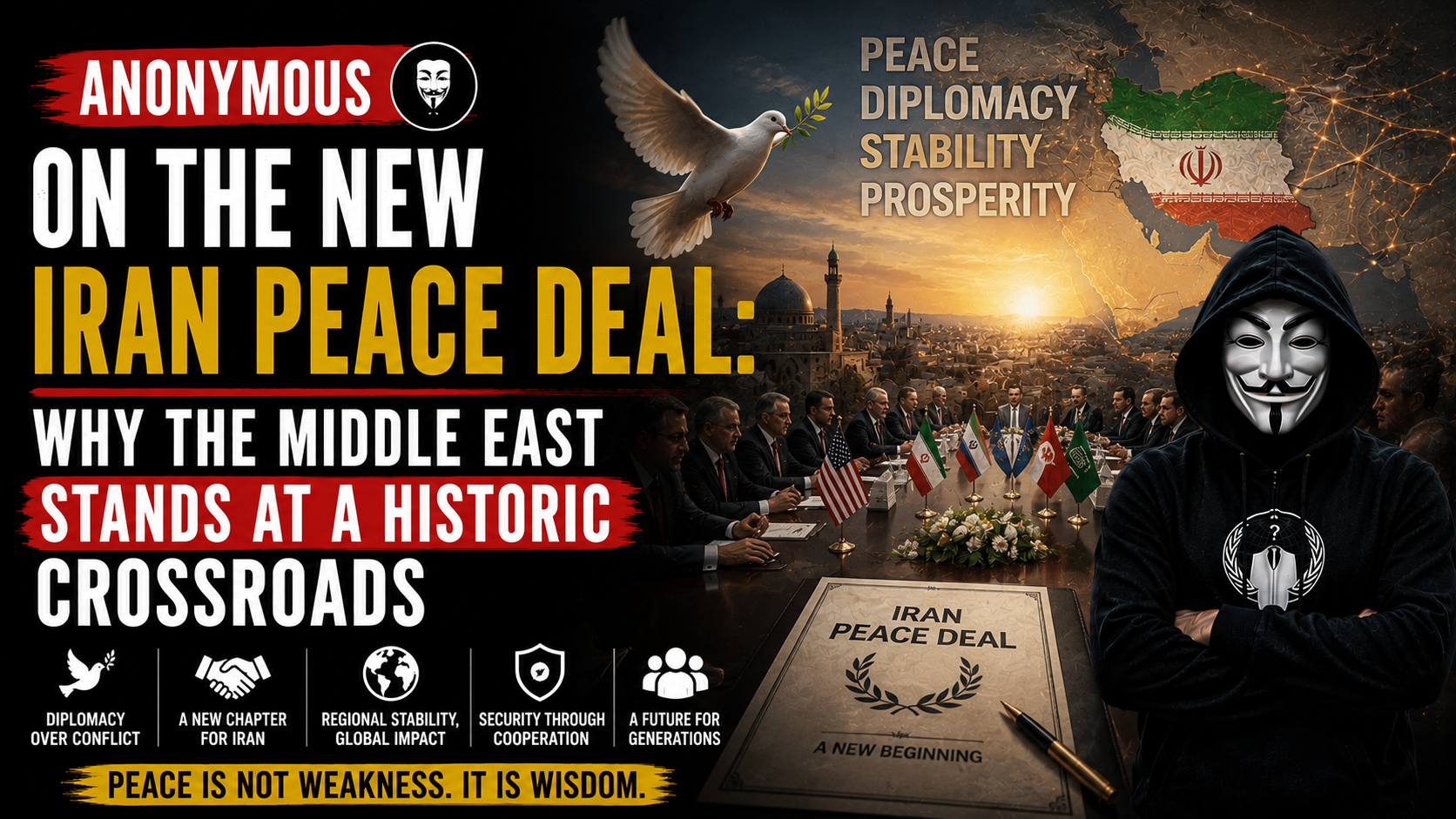
President Donald Trump has expressed confidence that an agreement is near, while Iranian officials have signaled that additional discussions are still required before any final signing takes place. The gap between political announcements and diplomatic reality highlights the fragile nature of the current moment. A breakthrough may be closer than at any point since the conflict began, but peace has not yet been secured.
The Strait of Hormuz Remains at the Center of the Crisis
One of the most important elements of the proposed agreement involves the future of the Strait of Hormuz. The strategic waterway serves as a vital route for global energy shipments and international trade. Months of instability have disrupted shipping operations, increased costs, and created uncertainty across financial markets.
Governments around the world understand that stability in the Gulf affects far more than regional politics. Energy prices, supply chains, and economic confidence are all influenced by developments in these waters. Any agreement that successfully restores unrestricted navigation would have consequences reaching far beyond the Middle East.
For this reason, international attention remains focused on every statement emerging from negotiations.
Mojtaba Khamenei and a New Political Era in Iran
The negotiations are unfolding during a period of major political change inside Iran. Since assuming leadership following the death of Ali Khamenei earlier this year, Mojtaba Khamenei has become one of the most closely watched figures in the region. His decisions will play a critical role in determining whether Iran moves toward compromise or continued confrontation.
Many observers view the current talks as an early test of his leadership. Hardline factions inside Iran remain skeptical of concessions, while others argue that economic pressures and regional instability require a new approach. The outcome of these internal debates may ultimately determine whether negotiations succeed or fail.
Leadership transitions often create uncertainty. They also create opportunities for change.
The coming weeks may reveal which path Iran intends to follow.
Lebanon Continues to Complicate Peace Efforts
Even as negotiators discuss broader agreements, violence continues elsewhere in the region. Reports of Israeli strikes and Hezbollah activity in Lebanon have demonstrated how difficult it can be to separate one conflict from another.
Iran has repeatedly indicated that any lasting regional settlement should address developments in Lebanon as well. Israel, however, continues to prioritize security concerns along its northern border and has shown little willingness to accept arrangements that it believes could strengthen Hezbollah.
These competing objectives represent one of the largest obstacles facing diplomats.
A peace agreement between Washington and Tehran may reduce tensions, but regional stability will remain difficult to achieve if other fronts continue to experience violence.
Why Israel Is Watching Closely
The possibility of a U.S.-Iran agreement has generated significant debate within Israel. Some officials fear that a diplomatic settlement could provide Iran with economic relief and greater political influence while leaving important security concerns unresolved. Others argue that reducing the risk of direct confrontation would benefit the entire region.
This disagreement reflects a broader question facing policymakers throughout the Middle East. Is long-term stability more likely to emerge through military pressure or diplomatic engagement? The answer remains uncertain. What is clear is that any agreement involving Iran will inevitably influence the strategic calculations of neighboring countries.
Information, Power, and Public Understanding
As Anonymous, we believe moments like this demonstrate the importance of transparency. Major decisions affecting millions of people are often negotiated behind closed doors, while citizens are left attempting to understand developments through official statements and media reports.
Governments describe agreements as victories.
Opponents describe the same agreements as concessions.
Supporters focus on opportunities.
Critics focus on risks.
The truth is often more complex than any single narrative.
Citizens should examine developments carefully, question assumptions, and pay attention not only to what leaders say but also to what they do.
Final Thoughts
The emerging agreement between the United States and Iran could become one of the most important diplomatic developments of the year. It has the potential to reduce tensions, restore stability to critical trade routes, and create opportunities for broader negotiations across the region. Yet the path forward remains uncertain. Military activity continues, political disagreements persist, and key questions remain unanswered. The future of the Strait of Hormuz, the role of Mojtaba Khamenei, and ongoing tensions involving Israel and Lebanon will all shape what happens next. The Middle East may be approaching a turning point. Whether that turning point leads toward peace or renewed confrontation has yet to be determined.

