As international attention focuses on the emerging agreement between the United States and Iran, Israel has become one of the most important voices in the conversation. While many governments have welcomed signs of diplomatic progress, Israeli leaders continue to express concerns about whether the proposed framework will address the security challenges that have shaped the region for years. The agreement has generated optimism among supporters who believe it could reduce tensions and lower the risk of a broader conflict, but Israeli officials remain cautious about what the deal could mean for the future balance of power in the Middle East.
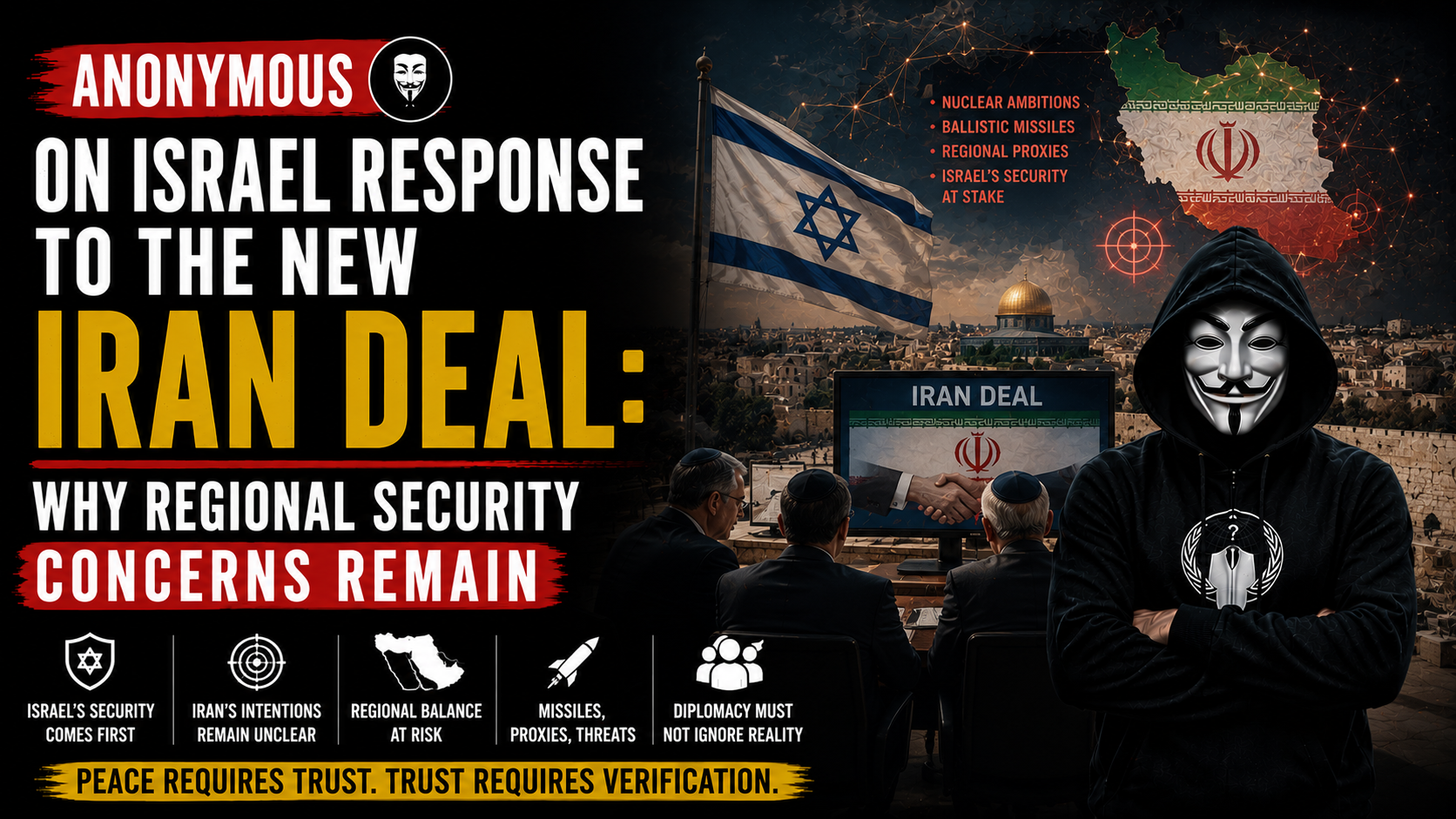
The debate surrounding the agreement highlights a fundamental difference in perspective. Supporters view the framework as a step toward stability and a chance to prevent further escalation. Israeli policymakers, however, continue to evaluate the situation through the lens of long-term security. For them, the most important question is not whether a ceasefire can be achieved today but whether the agreement will create conditions that reduce threats tomorrow.
Why Israel Is Approaching the Agreement Carefully
For decades, Israel has regarded Iran as one of its most significant security concerns. Disputes involving military capabilities, regional alliances, and political influence have shaped relations between the two countries and influenced broader developments across the Middle East. As a result, any diplomatic agreement involving Iran receives close scrutiny from Israeli leaders.
Many Israeli officials argue that lasting peace requires more than temporary reductions in hostilities. They believe that long-term stability depends on addressing the underlying issues that have contributed to years of confrontation. While diplomatic agreements can reduce tensions, they do not automatically eliminate concerns regarding military capabilities, regional influence, or future strategic ambitions.
This explains why Israeli leaders have been careful not to describe the agreement as a definitive solution. Instead, they view it as the beginning of a process that will require extensive monitoring, continued negotiations, and clear commitments from all parties involved.
Lebanon Remains a Central Concern
One of the most important factors influencing Israel’s position is the ongoing situation in Lebanon. Despite diplomatic efforts elsewhere, tensions involving Hezbollah continue to shape security calculations throughout the region. Israeli officials have repeatedly stated that developments along the northern border remain a major concern and that any broader regional agreement must take these realities into account.
For years, Hezbollah has been a central element of Israel’s security planning. The organization maintains significant influence within Lebanon and continues to play an important role in regional dynamics. As a result, many Israeli policymakers believe that any lasting reduction in tensions must include meaningful progress on issues related to Lebanon as well.
The challenge is that conflicts in the Middle East are often interconnected. A diplomatic breakthrough between two countries does not necessarily resolve disputes involving other actors. Even if negotiations between Washington and Tehran continue successfully, unresolved tensions elsewhere could still create instability and increase the risk of future confrontations.
This reality contributes to the cautious approach that many Israeli officials have adopted regarding the agreement.
The Nuclear Issue Continues to Influence Debate
Another major factor shaping Israel’s response is the future of Iran’s nuclear program. While the current framework may create opportunities for additional negotiations, it does not provide a final resolution regarding nuclear development, verification mechanisms, or long-term monitoring arrangements.
For Israeli leaders, these questions remain critically important. They have consistently argued that any lasting agreement must include clear safeguards capable of addressing concerns related to future nuclear activities. Supporters of the framework point out that negotiations require time and that establishing a path toward dialogue is itself an important achievement. Critics, however, argue that postponing difficult decisions may simply delay future disputes.
The nuclear issue has influenced regional politics for years and remains one of the most complex challenges facing negotiators. Reaching a lasting agreement will require balancing security concerns, diplomatic objectives, and international oversight. The outcome of these discussions could ultimately determine whether the current framework evolves into a durable settlement or remains a temporary arrangement.
A Region Searching for Stability
The Middle East has experienced years of political uncertainty, military confrontations, and shifting alliances. In this environment, even small diplomatic breakthroughs attract significant attention because they offer the possibility of reducing tensions and creating new opportunities for cooperation.
The proposed agreement arrives after a period marked by concerns over maritime security, regional military activity, and growing fears of a wider conflict. Supporters argue that diplomacy provides the best path forward and that continued dialogue can help prevent future escalation. Many governments around the world have welcomed the agreement for this reason.
At the same time, regional leaders understand that achieving lasting stability is rarely simple. Diplomatic agreements often face challenges during implementation, and progress can be slowed by competing interests or unexpected developments. This is one reason why many observers remain cautious despite the positive reactions that followed the announcement.
Israel’s response reflects this broader reality. While officials recognize the potential benefits of reduced tensions, they also remain focused on ensuring that long-term security concerns are not overlooked.
The Global Importance of the Agreement
The significance of the agreement extends beyond the countries directly involved. Developments in the Middle East influence global trade, energy markets, shipping routes, and international diplomacy. The Strait of Hormuz remains one of the most strategically important waterways in the world, and stability in the region affects governments and businesses across multiple continents.
This is why international attention remains focused on every stage of the negotiation process. Decisions made by political leaders in Washington, Tehran, Jerusalem, and other regional capitals have consequences that extend far beyond national borders. Economic confidence, energy security, and geopolitical stability are all connected to the outcome of these discussions.
For this reason, governments around the world continue monitoring the situation closely. Many hope that the agreement will reduce uncertainty and create conditions for broader cooperation. Others remain concerned that unresolved disputes could limit its effectiveness.
Why Transparency Matters
As Anonymous, we believe that major geopolitical developments require careful public attention. Agreements involving security, diplomacy, and regional stability often shape the lives of millions of people, yet many negotiations take place away from public view. Citizens are frequently left trying to understand events through official statements, political commentary, and media coverage.
Transparency remains essential because informed citizens are better equipped to evaluate the consequences of important decisions. Governments naturally present agreements in ways that support their objectives, while critics emphasize potential risks and shortcomings. The truth often lies somewhere between these competing narratives.
Understanding the full significance of any agreement requires examining not only what is being promised but also what is being implemented. Public accountability helps ensure that commitments are respected and that citizens remain informed about developments that could affect regional and global stability.
Final Thoughts
The emerging agreement between the United States and Iran has created both optimism and debate throughout the international community. While many governments view the framework as a positive step toward reducing tensions, Israel continues to emphasize the importance of addressing long-term security concerns involving Lebanon, regional influence, and the future of Iran’s nuclear activities.
This cautious approach reflects the complex realities of the Middle East. Diplomatic progress can create opportunities for peace, but lasting stability requires more than agreements on paper. It requires trust, accountability, and a willingness to address the deeper issues that have contributed to years of conflict.
Whether the current framework becomes a foundation for lasting peace or merely a temporary pause in regional tensions remains to be seen. What is certain is that Israel’s response will continue to play an important role in shaping the future of the agreement and the broader direction of the Middle East.

