Only days after the United States and Iran announced a memorandum intended to reduce hostilities, the Middle East has once again moved closer to renewed conflict. Iran has accused Washington of violating the agreement after U.S. forces carried out strikes against missile, drone, and surveillance facilities on Iranian territory. American officials said the operation was a response to an earlier attack on a commercial vessel in the Strait of Hormuz, while Tehran described the strikes as an unlawful act of aggression that undermines the diplomatic commitments both sides had recently accepted.
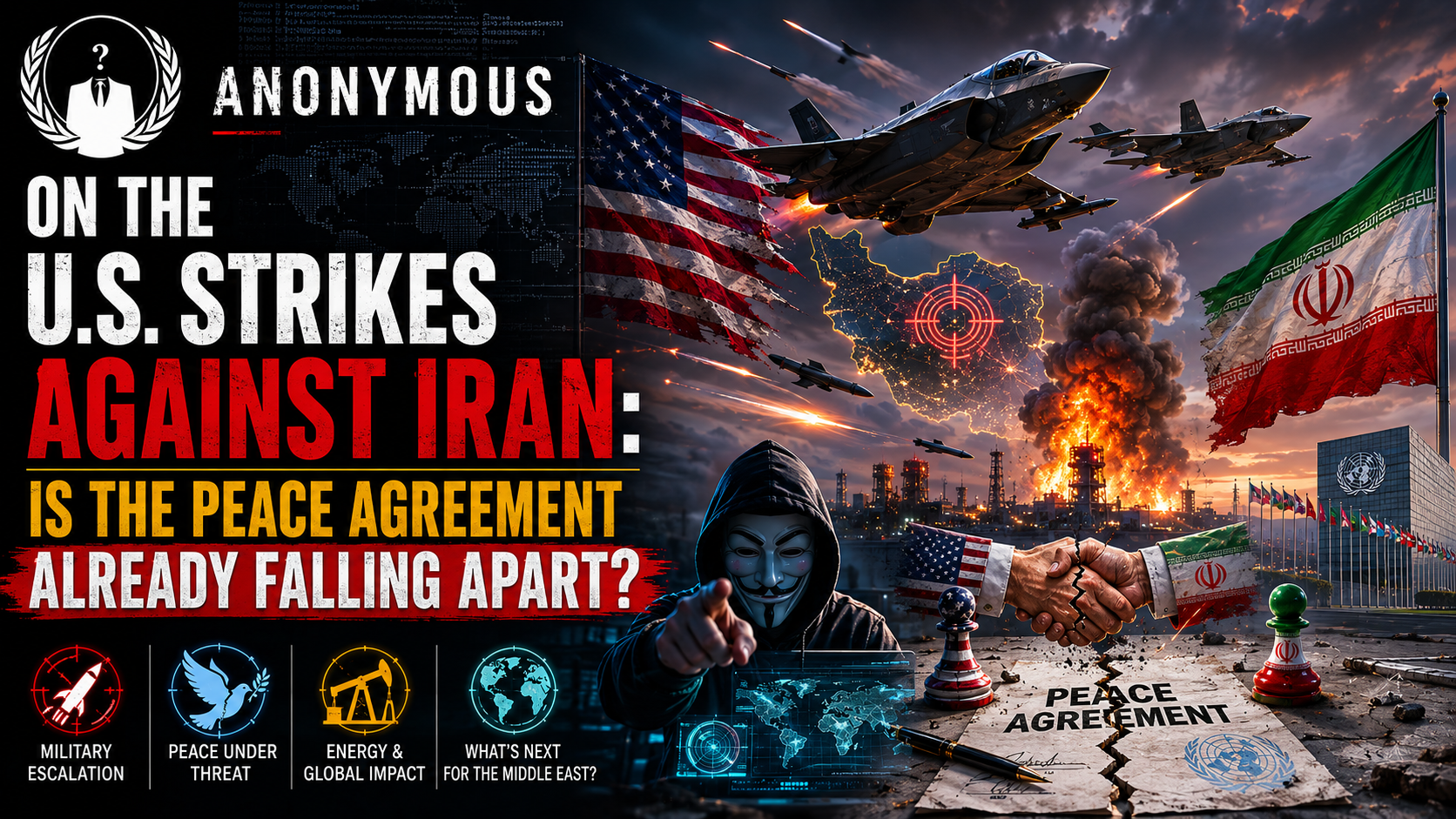
The exchange has raised serious concerns about whether the fragile understanding reached between Washington and Tehran can survive its first major test. Instead of creating confidence between the two governments, the latest military actions have revived fears that the region could once again enter a prolonged cycle of retaliation. Every strike now carries the risk of triggering another response, making diplomacy increasingly difficult to preserve.
Iran Condemns the U.S. Operation
Iranian officials reacted quickly, declaring that the American attacks represented a direct violation of the memorandum that had been designed to prevent further military escalation. Government representatives argued that any disputes should have been addressed through diplomatic channels rather than military action. Tehran insisted that the agreement was based on mutual restraint and accused Washington of abandoning those commitments almost immediately after they were announced.
The Iranian government also maintained that its sovereignty had been violated and warned that actions taken against its territory would not remain unanswered. Officials emphasized that the country’s military reserves the right to respond whenever it believes its national security has been threatened.
The strong language coming from Tehran demonstrates how rapidly trust between the two governments has deteriorated despite recent diplomatic progress.
Washington Defends Its Actions
The United States has offered a different explanation for the operation. American officials stated that the strikes targeted facilities connected to missile and drone capabilities after Iran was accused of launching attacks against commercial shipping in the Strait of Hormuz. According to Washington, the military action was intended to prevent further threats to international navigation rather than expand the conflict.
The Strait of Hormuz remains one of the world’s most strategically important waterways. A large percentage of global energy exports pass through the narrow passage every day, making its security a priority for governments across the world. Any disruption immediately affects shipping companies, oil markets, insurance costs, and international trade.
By presenting the operation as a defensive response, Washington argues that it remains committed to protecting international maritime traffic while continuing to support broader diplomatic efforts.
Regional Tensions Continue to Rise
The latest confrontation has once again placed the Middle East in an uncertain position. Reports indicate that Iran has announced retaliatory actions against targets it associates with American military operations in the region, while neighboring countries have increased security measures amid fears that further escalation could spread beyond the immediate conflict.
Several Gulf states are monitoring developments closely because any expansion of hostilities could threaten regional stability and international commerce. Military activity around the Strait of Hormuz has intensified, and commercial shipping companies continue evaluating security conditions before allowing vessels to transit the area.
The situation demonstrates how quickly local incidents can develop into wider international crises when multiple governments become involved.
Diplomacy Faces Its Greatest Challenge
The memorandum signed between the United States and Iran was intended to reduce military confrontation while creating space for continued negotiations. Instead, both governments are now accusing one another of violating its terms before meaningful implementation has even begun.
History has shown that ceasefires and temporary agreements often collapse when mutual trust disappears. Every accusation creates additional pressure on negotiators, while every military response makes political compromise increasingly difficult.
Diplomacy depends not only on written agreements but also on confidence that both parties intend to respect them. Once that confidence weakens, restoring meaningful dialogue becomes significantly more complicated.
Whether the current memorandum survives will depend on decisions made over the coming days rather than statements already issued.
Anonymous and the Need for Accountability
As Anonymous, we believe every military operation deserves public scrutiny regardless of which government authorizes it. International agreements lose credibility when they are followed by renewed violence before their commitments can be fully implemented. Citizens deserve transparent explanations whenever diplomatic promises appear to conflict with military actions.
Governments frequently justify their decisions by citing national security, while opponents describe the same actions as violations of international law. The responsibility therefore falls upon independent observers, journalists, and informed citizens to examine verified information rather than relying solely on official narratives.
Transparency remains essential because public trust cannot exist without accountability.
Final Thoughts
The latest exchange between the United States and Iran illustrates how fragile peace agreements can become when military action resumes before diplomatic progress has been firmly established. While Washington argues that its strikes were necessary to protect international shipping, Tehran insists they violated the memorandum intended to reduce conflict. Those competing narratives now threaten to undermine months of diplomatic efforts.
As Anonymous, we encourage people to look beyond political rhetoric and examine the broader consequences of every decision made during times of conflict. Military operations may achieve immediate objectives, but lasting stability depends upon accountability, transparency, and genuine commitment to diplomacy. The coming days will determine whether the current crisis becomes another brief confrontation or the beginning of a much larger regional escalation. We will continue watching.

