A newly released report has sparked fresh debate about the future of aerial warfare after a United States fighter pilot, rescued following the loss of his aircraft over Iran earlier this year, described witnessing an unusual formation of drones moments before being shot down. During intelligence debriefings, the pilot reportedly said the unmanned aircraft appeared to move together in a coordinated pattern resembling a jellyfish, with larger drones surrounded by smaller ones operating as a connected system. Although intelligence officials have not confirmed that such technology was responsible for the aircraft’s destruction, the account has raised important questions about how rapidly drone warfare may be evolving.
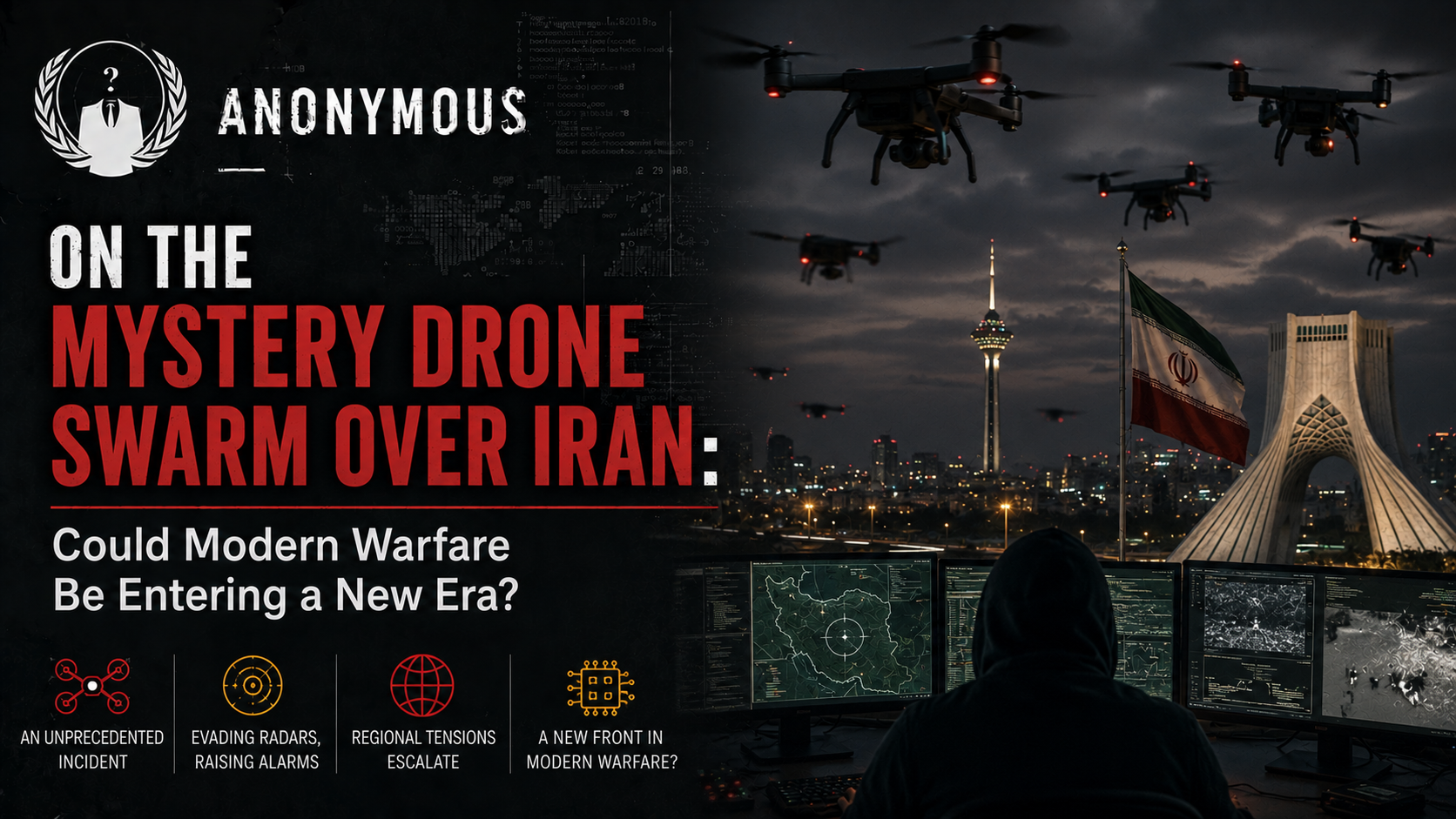
The pilot’s description has attracted attention because U.S. intelligence agencies had not previously assessed that Iran possessed this level of coordinated drone networking. Some officials reportedly remain cautious about the account because the pilot suffered injuries during the incident, while investigators continue examining whether the reported drone formation accurately reflected what occurred during the mission. Even so, defense analysts believe the report deserves serious consideration because it may point to emerging capabilities that could reshape future military operations.
A New Kind of Drone Warfare
Traditional military drones generally operate individually or in small coordinated groups. The formation described during the pilot’s debrief suggests something considerably more sophisticated. According to the report, multiple drones may have been connected through a network allowing them to operate almost as a single aerial system rather than as separate aircraft.
If such capabilities exist, they could provide significant tactical advantages. Coordinated drone formations may complicate radar tracking, overwhelm defensive systems, and create rapidly changing threats for military aircraft. Instead of confronting isolated drones, pilots could face an interconnected network capable of adapting during combat.
Military planners around the world have spent years studying swarm technology because coordinated unmanned aircraft have the potential to change the balance between expensive fighter jets and relatively inexpensive autonomous systems. The latest reports have therefore renewed interest in how quickly these technologies are developing.
Intelligence Officials Continue Their Assessment
Despite widespread attention surrounding the pilot’s account, intelligence agencies have not concluded that Iran possesses confirmed operational swarm capabilities of the type described. Officials continue reviewing mission data, radar information, electronic signals, and other intelligence collected during the incident.
Investigators are also attempting to determine whether the unusual formation directly contributed to the aircraft being shot down or whether other factors played a more significant role. Reports indicate that analysts remain divided regarding the pilot’s observations, emphasizing that further technical evaluation is required before drawing firm conclusions.
This cautious approach reflects how military intelligence operates during complex investigations. Battlefield reports often provide valuable information, but they must be compared with electronic evidence, surveillance data, and independent analysis before becoming accepted assessments.
The Global Race for Autonomous Weapons
Whether or not this particular incident ultimately confirms advanced swarm technology, it highlights a broader trend already shaping military planning across the world. Governments are investing heavily in artificial intelligence, autonomous systems, electronic warfare, and next-generation drone technology.
Future conflicts are expected to rely increasingly on unmanned platforms capable of operating together while sharing information in real time. Such systems may reduce operational costs, increase battlefield awareness, and create new tactical options that were impossible only a decade ago.
Countries throughout the Middle East, Europe, Asia, and North America have accelerated research into these technologies, recognizing that future conflicts may depend as much on software, networking, and artificial intelligence as on conventional weapons.
The report involving the downed American pilot therefore extends beyond one battlefield incident. It reflects broader concerns regarding the pace at which military technology continues evolving.
Anonymous and the Importance of Verified Information
As Anonymous, we believe extraordinary military claims require careful examination and transparent investigation. Modern conflicts generate enormous amounts of information, much of it incomplete during the early stages of reporting. Governments release official statements, intelligence agencies conduct classified assessments, and media organizations publish developing information while investigations continue.
The public deserves accurate reporting based on verified evidence rather than speculation. New technologies naturally attract attention, particularly when they appear capable of changing established military doctrines. However, responsible analysis requires distinguishing confirmed facts from preliminary reports and recognizing when investigations remain ongoing.
Transparency strengthens public understanding because it allows citizens to evaluate important developments using evidence instead of assumptions.
Final Thoughts
The reported sighting of a coordinated drone formation before the downing of a U.S. fighter aircraft has become one of the most closely watched military stories of the year. While investigators continue determining exactly what happened, the incident has already renewed international discussion regarding autonomous weapons, drone networking, and the future of aerial combat.
Whether the reported formation represents a genuine technological breakthrough or an event that will ultimately receive a different explanation remains to be seen. What is certain is that unmanned systems are becoming increasingly influential in modern warfare, and every new development shapes how militaries prepare for future conflicts.
As Anonymous, we encourage readers to examine these reports carefully, follow verified information as investigations continue, and recognize that technological change often moves faster than public understanding. The future of warfare will be shaped not only by powerful weapons but also by transparency, accountability, and informed public debate.

