The battlefield is no longer limited to land, air, or sea. Today, one of the most powerful fronts exists on screens across the world. As tensions between Iran and the US-Israel alliance continue to rise, a parallel conflict is unfolding online. Social media platforms, forums, and digital communities are filled with debates, opinions, and narratives that are shaping how people see this war.
What stands out the most is the growing wave of online support leaning toward Iran. This shift has surprised many observers, especially considering how global narratives have traditionally been framed. To understand why this is happening, we need to look beyond headlines and into how people consume and interpret information in the digital age.
A Conflict That Ignited Global Attention
The current situation escalated rapidly, drawing attention from governments and ordinary citizens alike. Military actions triggered a chain reaction, with both sides responding strongly. As images and updates spread across the internet, millions of people began forming opinions in real time.
Unlike earlier conflicts, where information moved slowly and was controlled by a few major outlets, today’s war is being witnessed live. Every update, video, and post contributes to how the story is being told and understood.
Why Online Sentiment Is Shifting
One of the biggest reasons behind the growing support for Iran online is perception. Many users across platforms believe that Iran is responding rather than initiating. In digital discussions, the side seen as reacting to aggression often gains more sympathy than the one viewed as starting it.
This perception does not always depend on complete facts. Instead, it is shaped by how events are presented, shared, and discussed. Once a narrative takes hold online, it spreads quickly and influences millions of people.
The Emotional Impact of War Content
Another major factor is the emotional response triggered by war-related content. Images of destruction, injured civilians, and displaced families travel fast across social media. These visuals create immediate emotional reactions.
People tend to empathize with those they see suffering. As a result, support often shifts toward the side perceived to be facing greater harm. In many online discussions, Iran is being portrayed in this light, which naturally draws sympathy.
Growing Distrust in Mainstream Narratives
Over time, trust in traditional media has declined among many internet users. People are increasingly questioning whether they are seeing the full picture. This skepticism plays a huge role in shaping opinions.
When audiences feel that information may be biased or incomplete, they begin to explore alternative viewpoints. These alternative narratives often challenge dominant perspectives and sometimes present Iran in a more favorable or defensive position.
This does not necessarily mean people fully support Iran politically. Instead, it reflects a broader desire to question powerful institutions and look at situations from different angles.
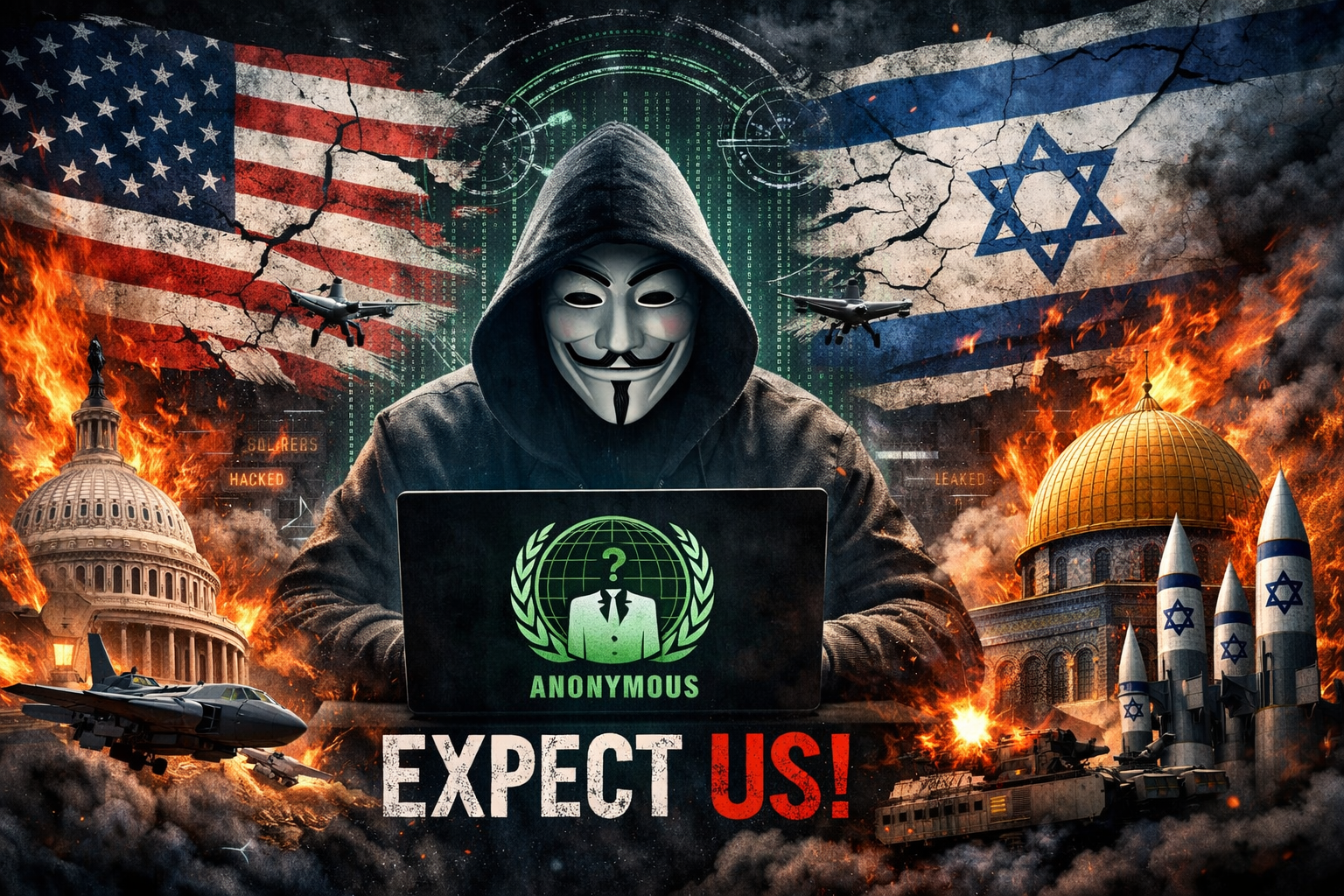
The Influence of Anonymous Style Thinking
Communities inspired by Anonymous-like ideas often focus on challenging authority and exposing perceived injustices. In conflicts involving powerful nations or alliances, these communities tend to question dominant narratives.
In this case, the US-Israel alliance is widely seen as a strong global force. This naturally shifts attention toward Iran as the less powerful side in comparison. The idea of supporting the underdog resonates strongly in online culture.
Messages circulating in these spaces often emphasize themes like resistance, truth, and questioning official stories. These themes are influencing how many people interpret the conflict.
How Algorithms Shape What We See
Social media platforms play a major role in shaping public opinion. Their algorithms are designed to promote content that gets more engagement. This usually means content that is emotional, controversial, or attention-grabbing.
Posts that criticize powerful alliances or highlight human suffering tend to spread faster. As more people interact with such content, it becomes even more visible, creating a cycle that reinforces certain narratives. Over time, this can create the impression that a particular viewpoint is more widely supported than it actually is. In reality, it is often the result of how content is prioritized and shared.
The Role of Digital Information Warfare
Modern conflicts are not just fought with weapons but also with information. Each side attempts to shape how the world perceives the situation. This includes using social media, online campaigns, and digital messaging.
Content is created to influence opinions, build support, and weaken the opponent’s image. This can include everything from official statements to unofficial posts that spread quickly across platforms. The result is a complex mix of information where it becomes difficult to separate fact from influence. People often rely on what they see repeatedly, which can shape their beliefs over time.
Limited Access and Its Effects
Restrictions on internet access can also play a surprising role in shaping perception. When direct information from a region becomes limited, people begin to rely on indirect sources. This lack of clarity often leads to speculation and increased curiosity. In some cases, it can even generate more sympathy, as people assume that something significant might be hidden or not fully reported. This uncertainty contributes to shifting opinions and makes online discussions even more intense.
The Underdog Effect in Action
Human psychology often favors those perceived as weaker or under pressure. When one side appears significantly stronger, people naturally lean toward supporting the other side. In this conflict, the combined power of the US and Israel creates a perception of imbalance. This drives many online users to view Iran as standing against a stronger force. Even individuals who do not agree with Iran politically may still feel drawn to this narrative on an emotional level.
Voices From Around the World
Another important factor is the diversity of voices online. People from different countries, backgrounds, and experiences are sharing their perspectives. This creates a more complex and layered conversation. Individuals with personal or cultural connections to the region often provide insights that differ from mainstream coverage. These perspectives resonate with audiences who are looking for deeper understanding. As these voices gain visibility, they contribute to the broader shift in online sentiment.
The Risk of Misinformation
While the internet allows for open discussion, it also creates space for misinformation. Not everything that spreads online is accurate or verified. Edited videos, misleading posts, and emotionally charged content can distort reality. This can intensify opinions and create divisions among audiences. It is important for users to remain cautious and think critically about what they see and share.
Why This Online Shift Matters
The way people perceive conflicts online can have real-world consequences. Public opinion influences political decisions, international relations, and even economic policies. Governments pay attention to how citizens react, especially in countries where public support plays a role in decision-making. A strong shift in opinion can lead to changes in strategy or policy. This shows that the digital battlefield is not separate from reality. It is deeply connected to how events unfold in the real world.
Final Thoughts
The growing online support for Iran in the conflict with the US-Israel alliance is not based on a single reason. It is the result of multiple factors coming together at the same time. Perception, emotion, distrust, algorithms, and digital narratives all play a role. People are not just reacting to events but also to how those events are presented and discussed. In many ways, this reflects a larger change in how information is consumed today. The internet gives everyone a voice, but it also creates challenges in understanding what is true. As the situation continues to evolve, one thing remains clear. The battle for public opinion is just as important as the events happening on the ground.

