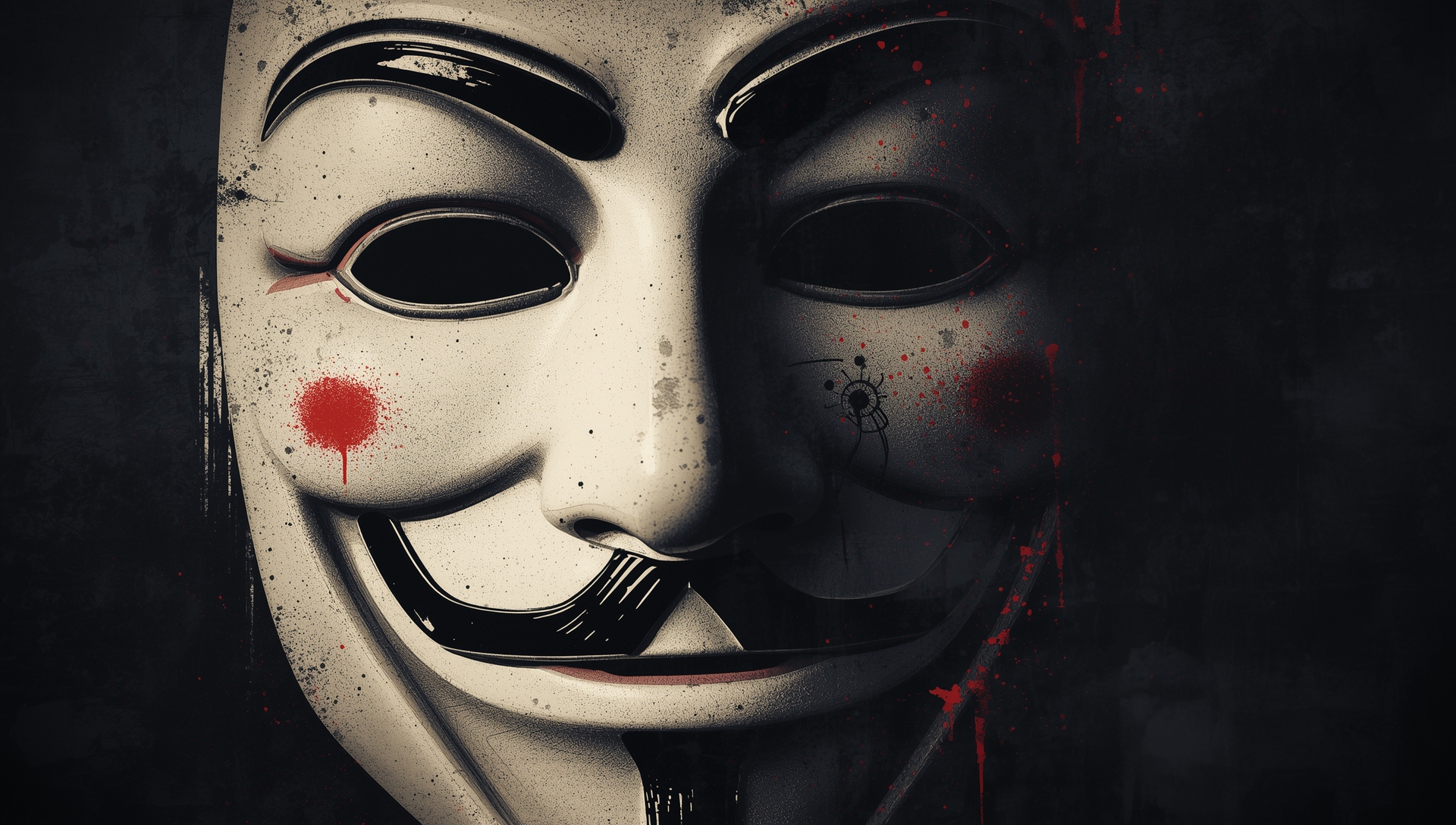
The hacktivist collective known as Anonymous has built a reputation for bold cyberattacks, political activism, and online campaigns against corporations, governments, and even individuals. Known for wearing Guy Fawkes masks and delivering cryptic messages through videos and social media, they have a mysterious and unpredictable public image. But this raises an interesting question: Has Anonymous ever actually apologized for their actions?
Surprisingly, yes — there have been moments where members of Anonymous, or individuals claiming to represent the group, have issued public apologies. While it’s rare, these moments show that even a group seen as rebellious and fearless can sometimes step back and reflect.
1. Understanding Anonymous: A Brief Background
Before we talk about apologies, it’s important to understand who Anonymous is. Unlike traditional organizations, Anonymous has no official leader, headquarters, or central decision-making body. Anyone can act in the name of Anonymous if they follow the group’s loose principles — such as fighting censorship, exposing corruption, or defending internet freedom. Because of this structure, Anonymous is more like a movement than a single group. This means when an “apology” is issued, it might come from a subgroup or an individual member, not necessarily the entire network. So, one part of Anonymous may apologize for an action while another part may defend it.
2. Times Anonymous Has Apologized
While the group’s usual stance is defiance rather than remorse, there have been situations where they recognized mistakes. Let’s look at some notable examples.
A. The 2011 Sony PlayStation Network Hack
In 2011, Anonymous was linked to the PlayStation Network (PSN) outage, which affected millions of gamers worldwide. The attack came after Sony took legal action against a hacker named George Hotz (GeoHot). Many players were frustrated because the hack shut down online gaming for weeks and exposed user data. Although Anonymous denied directly causing the outage, a subgroup released a statement expressing regret for the inconvenience to gamers. They claimed the real target was Sony, not its customers, and said, “We are sorry for any trouble caused to gamers. We fight for you, not against you.” This wasn’t a full admission of guilt, but it was a rare acknowledgment that innocent people were affected.
B. The Epilepsy Foundation Incident
In 2008, pranksters linked to Anonymous were accused of posting flashing images on the Epilepsy Foundation’s forum, intending to trigger seizures in people with photosensitive epilepsy. This action was widely condemned, even within hacker communities. Later, individuals associated with Anonymous expressed shame and regret, saying that the attack violated the group’s principles and hurt vulnerable people unnecessarily. While no official “central” apology came from Anonymous as a whole, members distanced themselves from the attack and condemned it publicly.
C. Wrong Target Mistakes
On several occasions, Anonymous has attacked websites or leaked information based on false assumptions. When they realized the mistake, some members apologized. For example, during political protests in various countries, Anonymous occasionally targeted the wrong government sites or released personal data of innocent individuals. In a few cases, representatives admitted the error and expressed regret, saying it was never their intention to harm bystanders.
3. Why Apologies from Anonymous Are Rare
It’s important to note that Anonymous thrives on a rebellious image. Admitting fault could be seen as a weakness, so apologies are not common. There are several reasons for this:
-
Decentralized nature: No single person speaks for all members, so it’s hard to issue a “group-wide” apology.
-
Defiant ideology: Many members believe their actions are justified, even if they cause disruption.
-
Lack of accountability: Since most members remain anonymous, they don’t face the same pressure to apologize as public figures or organizations.
When apologies do happen, they often come from smaller factions or individuals, not the entire movement.
4. The Human Side of Hacktivism
One thing these rare apologies show is that Anonymous is not entirely emotionless. Behind the masks and usernames are real people with personal ethics. While the group is known for taking a hard stance against its targets, it’s also clear that some members care about unintended consequences. An apology — even from a subgroup — can be seen as a sign of maturity. It shows that hacktivism is not just about causing chaos, but also about making a point while trying (at least in some cases) to avoid harming innocent people.
5. How the Public Reacts to Anonymous Apologies
Public reaction to Anonymous apologies is often mixed.
-
Supporters see apologies as proof that the group has some moral compass and is willing to admit mistakes.
-
Critics view them as meaningless, especially if similar attacks continue later.
-
Victims may appreciate the gesture but still feel the damage has been done.
In the case of the Sony hack, some gamers accepted the apology, while others remained angry for months due to lost data and downtime.
6. Lessons from Anonymous Apologies
Whether you see Anonymous as heroes, villains, or somewhere in between, their rare apologies teach us a few lessons:
-
Even powerful movements can make mistakes.
-
Admitting fault doesn’t always erase damage, but it can rebuild some trust.
-
Accountability in decentralized groups is complicated but not impossible.
These lessons apply beyond hacktivism — in politics, business, and everyday life.
7. Could We See More Apologies in the Future?
Given Anonymous’ history, widespread apologies are unlikely. However, as the group continues to influence global events, there might be moments where they choose to address mistakes openly. With growing public scrutiny and the increasing impact of cyberattacks, the pressure for accountability might push more subgroups to acknowledge harm when it happens. Still, any future apology would probably be carefully worded to avoid undermining their cause or appearing too soft. Anonymous thrives on strength and mystery, and too much humility could change their public image.
8. Final Thoughts
So, has Anonymous ever issued a public apology? Yes, but only in specific situations, often when innocent people were harmed unintentionally. These apologies are usually from subgroups or individuals, not the entire movement, and they tend to be rare. In the end, Anonymous remains a complex and unpredictable force. They are rebels with a cause, operating outside the rules of traditional organizations. Their occasional apologies remind us that even in the digital shadows, there’s still a human side — one that sometimes pauses to say, “We’re sorry.”
Whether you see that as genuine remorse or strategic public relations depends on how you view the group itself. But one thing is certain: Anonymous, love them or hate them, continues to spark debates about ethics, freedom, and responsibility in the digital age.

