The internet has given birth to many new forms of activism, but few groups have captured the world’s imagination like Anonymous. Known for their Guy Fawkes masks, cryptic messages, and high-profile online campaigns, Anonymous has been described in many ways — hackers, activists, cyber criminals, and even digital vigilantes.
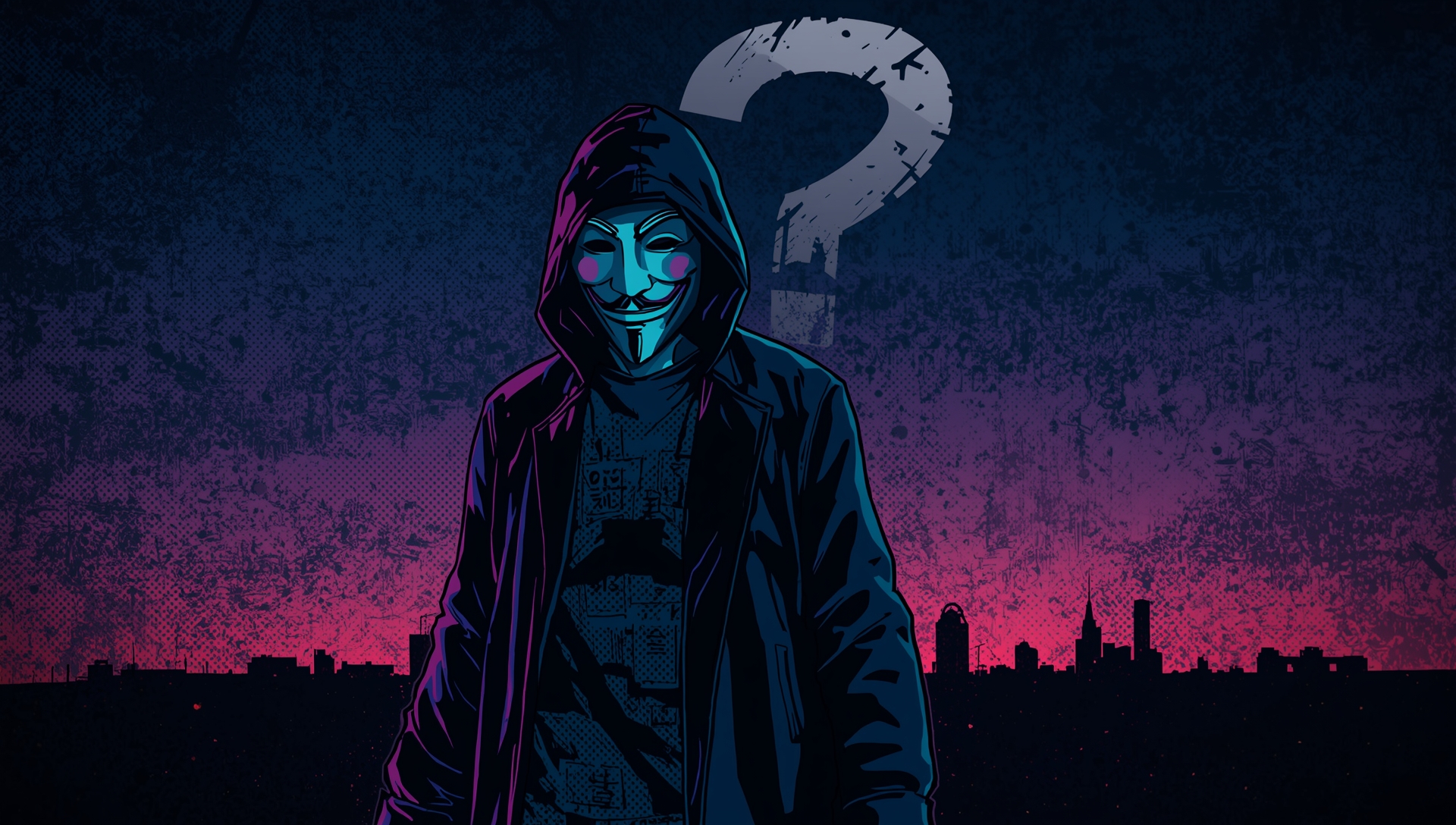
The term “digital vigilantes” is often used to describe people who take the law into their own hands in the online world. For some, this label perfectly fits Anonymous. But why? Let’s explore the reasons, the meaning behind this term, and the controversies it creates.
Understanding the “Digital Vigilante” Label
Before we understand why Anonymous is seen this way, it’s important to break down the term.
-
Vigilantes are people who act outside the official legal system to punish wrongdoers or protect a cause.
-
Digital vigilantes operate in cyberspace, using hacking, leaking data, or disrupting online services instead of physical force.
Unlike governments or law enforcement, they do not have official authority. Instead, they operate based on personal beliefs, moral codes, or the “justice” they think the world needs.
Anonymous: The Basics
Anonymous isn’t a single organization with a leader or headquarters. It’s a loosely connected network of individuals from around the world. Members may not even know each other personally. What connects them is a shared set of ideals:
-
Fighting censorship
-
Exposing corruption
-
Defending internet freedom
Anonymous became famous in the mid-2000s for online pranks, but soon shifted to serious political activism. They’ve targeted governments, corporations, extremist groups, and even social media platforms.
Why Some See Them as Vigilantes
There are a few key reasons people use this label for Anonymous.
1. They Take Action Without Legal Authority
Unlike law enforcement agencies, Anonymous doesn’t wait for court orders or government approval. If they believe someone or some organization is doing harm — whether it’s spreading hate, exploiting people, or hiding corruption — they often act immediately.
For example:
-
They have taken down websites of extremist groups.
-
They’ve hacked into corporate databases to leak documents they believe the public has a right to see.
To many supporters, this is brave activism. To critics, it’s acting as judge, jury, and executioner in the digital world.
2. They Target Those They See as “Bad Actors”
Vigilantes in real life usually go after criminals or those they believe are unjust. Anonymous works the same way — just online.
They’ve:
-
Attacked terrorist propaganda websites.
-
Exposed individuals involved in child exploitation.
-
Disrupted the operations of groups promoting hate speech.
In each case, they decide for themselves who the “bad guys” are. This independent decision-making is part of why they’re seen as vigilantes.
3. They Operate in the Shadows
Anonymous members rarely reveal their true identities. Their masks and encrypted communications create a sense of mystery — much like the secretive nature of vigilantes in movies or comic books.
While this protects them from arrest, it also adds to the perception that they’re “taking justice into their own hands” outside official systems.
4. They Use Hacking as a Weapon
Instead of physical force, Anonymous uses digital tools like DDoS attacks (flooding a website with traffic until it crashes), database leaks, and online exposure of targets.
In the offline world, vigilantes might use weapons or sabotage. In the online world, code is the weapon — and Anonymous wields it to fight battles they believe matter.
Supporters’ View: Modern-Day Heroes
To many people, Anonymous is not just a group of hackers — they’re defenders of freedom. Supporters argue that:
-
They act when governments fail or are too slow.
-
They expose truths that powerful people want to hide.
-
They stand up for those who can’t defend themselves.
In countries with censorship or human rights violations, Anonymous actions have given ordinary citizens access to information that might otherwise be hidden forever.
Critics’ View: Dangerous Outlaws
On the other hand, critics see Anonymous as reckless and dangerous. They argue that:
-
Without legal checks, anyone could become a target — even innocent people.
-
Leaked data can harm privacy and safety.
-
Their actions sometimes cause collateral damage, taking down services used by ordinary people.
In this view, digital vigilantism can spiral into lawlessness, where personal belief replaces the rule of law.
The Thin Line Between Activism and Vigilantism
The biggest debate about Anonymous comes down to intent vs. method.
-
Activism aims to create change through legal protests, public awareness campaigns, and lobbying.
-
Vigilantism skips the legal steps, taking direct (often illegal) action to punish or stop someone.
Anonymous often uses illegal hacking techniques, but their goal is usually tied to a social or political cause. This mix makes it hard to clearly label them as purely one or the other.
Famous Examples That Fuel the Vigilante Image
Several high-profile operations by Anonymous have reinforced the idea of them as digital vigilantes:
-
Operation Payback (2010) – Attacks on companies that cut ties with WikiLeaks.
-
Operation Darknet (2011) – Taking down websites linked to child exploitation.
-
Operation ISIS (2015) – Disrupting ISIS’s online propaganda after terror attacks.
-
Operation Russia (2022) – Cyberattacks on Russian government sites during the Ukraine conflict.
Each of these operations bypassed legal channels, went straight for the target, and gained massive public attention.
The Ethical Question
Even if people agree with Anonymous’s goals, the ethical question remains: Do the ends justify the means?
If hacking into a corrupt corporation’s servers exposes crimes, is it okay because the cause is just? Or should only courts and governments handle justice — even if they fail sometimes?
These questions keep the “digital vigilante” debate alive.
Final Thoughts
Anonymous sits in a grey area between cyber activism and digital vigilantism. Supporters hail them as modern-day heroes standing up for freedom, while critics warn of the dangers of uncontrolled online justice. The reason some people call them “digital vigilantes” is simple — they act outside the law, target those they see as wrongdoers, and deliver their own form of justice through hacking and exposure. Whether you see them as protectors or outlaws often depends on your view of justice itself. In a world where the internet is as real as any street, the role of groups like Anonymous will always spark debate — and perhaps, that’s exactly what they want.

