In today’s digital world, smartphones have become an extension of our lives. They hold our personal conversations, photos, financial details, and even our private thoughts. Among all devices, the iPhone is often considered one of the most secure. But even the strongest systems are not completely immune. This is where sophisticated spyware like Predator enters the conversation.
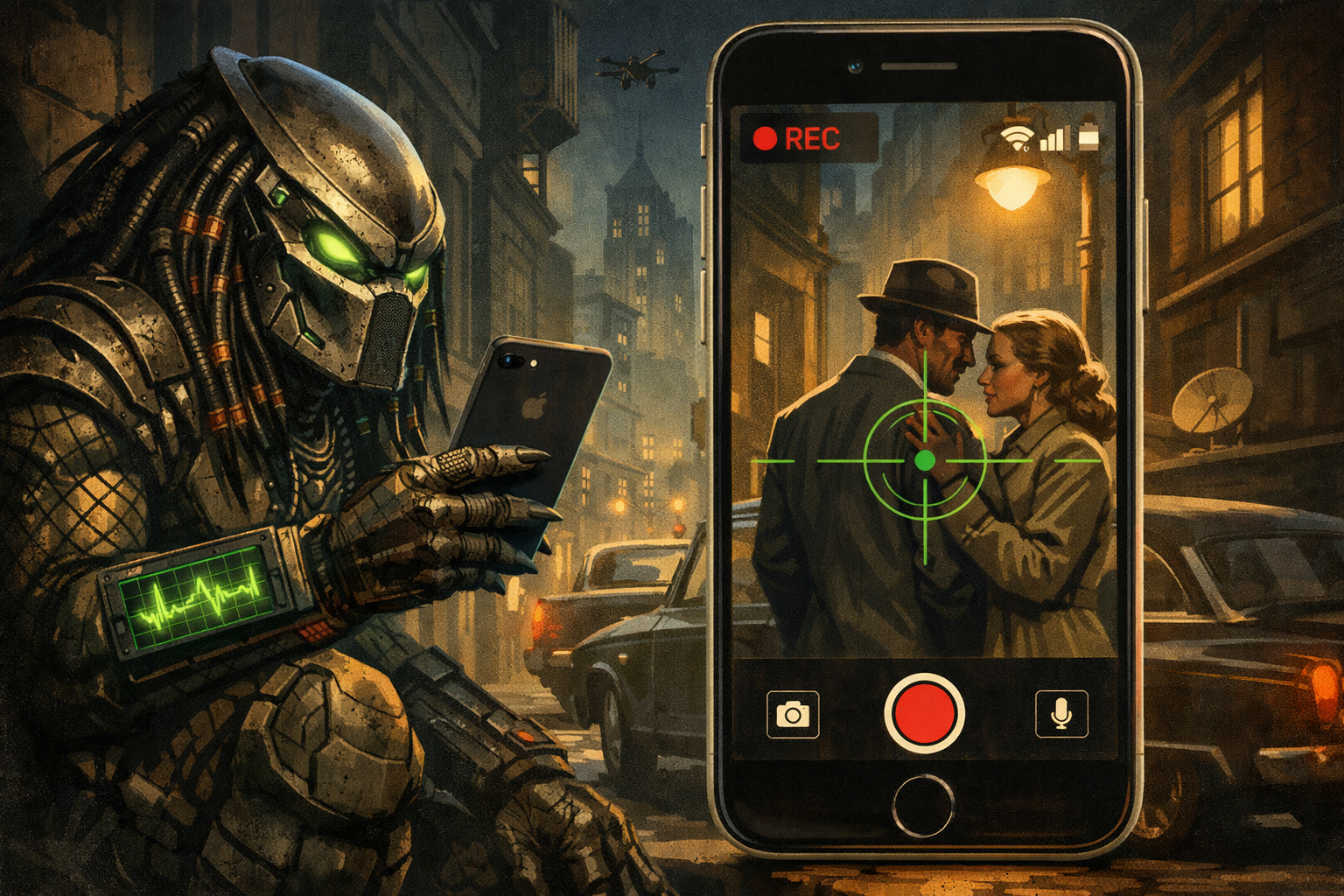
Predator is not your typical malware. It represents a new generation of surveillance technology designed to operate silently, invisibly, and effectively. The clash between Predator and the iPhone is not just about hacking a device. It reflects a larger battle between privacy and surveillance, security and exploitation. Let’s explore what Predator is, how it works, why iPhones are targeted, and what this means for everyday users.
What Is Predator Spyware?
Predator is a highly advanced spyware tool used for targeted surveillance. Unlike common viruses or scams, it is not designed for mass attacks. Instead, it focuses on specific individuals, often high-value targets such as journalists, activists, politicians, or business leaders.
Once installed, Predator can gain deep access to a device. It can:
-
Read messages, even from encrypted apps
-
Record calls and ambient audio
-
Access photos, files, and contacts
-
Track location in real time
-
Activate the microphone and camera silently
What makes Predator especially dangerous is its ability to remain hidden. The user often has no visible sign that their phone has been compromised.
Why Target the iPhone?
For years, the iPhone has been marketed as one of the most secure smartphones available. Apple has built its reputation around privacy, strong encryption, and strict app controls. So why would spyware developers target such a secure system?
The answer is simple: value.
iPhone users often include influential individuals. Breaking into an iPhone can provide access to highly sensitive information. For surveillance operators, the effort is worth the reward. Another reason is perception. Many users believe iPhones are “unhackable.” This false sense of security can make them less cautious, which creates opportunities for attackers.
How Predator Infects an iPhone
Traditional malware usually requires the user to download something suspicious. Predator works differently. It often uses advanced techniques known as zero-click or one-click exploits.
1. Malicious Links
In some cases, the attacker sends a carefully crafted link via SMS, email, or messaging apps. If the user clicks the link, the spyware installs silently.
These links often look harmless or even urgent, such as:
-
A fake delivery notification
-
A news update
-
A security alert
The goal is to trigger curiosity or concern.
2. Zero-Click Attacks
More advanced versions of Predator don’t require any interaction at all. They exploit hidden vulnerabilities in apps like messaging services.
The user doesn’t click anything. The attack happens in the background, making it almost impossible to detect.
3. Exploiting Software Vulnerabilities
No software is perfect. Even the iPhone’s operating system occasionally has weaknesses. Predator takes advantage of these rare flaws before they are discovered and fixed.
This is why keeping your device updated is critical.
The Art of Staying Invisible
Predator’s most powerful feature is not just access—it’s invisibility.
Once inside a device, it operates quietly. It avoids draining the battery, hides its processes, and blends into normal system activity. This makes detection extremely difficult.
Unlike traditional malware, it does not show pop-ups, slow down the device significantly, or trigger obvious warnings.
This level of stealth is what makes Predator a serious threat. It is not just about spying. It is about doing so without leaving a trace.
Real-World Implications
The use of spyware like Predator raises serious ethical and legal concerns.
1. Threat to Privacy
At its core, Predator violates personal privacy. It turns a personal device into a surveillance tool without consent.
2. Impact on Journalists and Activists
Many reported cases involve individuals working in sensitive areas. Journalists and activists rely on secure communication. If their devices are compromised, their sources and safety are at risk.
3. Political and Corporate Espionage
Spyware can also be used for political advantage or corporate spying. Access to confidential information can influence decisions, negotiations, and strategies.
Can iPhones Still Be Considered Secure?
Despite these threats, iPhones remain among the most secure consumer devices available. However, “secure” does not mean “invulnerable.”
Security is a continuous process. Apple regularly releases updates to fix vulnerabilities and improve protection. But attackers are also constantly evolving.
The reality is that no system is 100 percent safe. The goal is to make attacks as difficult and rare as possible.
Signs Your Device May Be Compromised
Predator is designed to stay hidden, but there are a few subtle signs that something may be wrong:
-
Unusual battery drain
-
Unexpected data usage
-
Device overheating without heavy use
-
Strange background activity
-
Apps behaving abnormally
These signs are not definitive proof, but they should not be ignored.
How to Protect Yourself
While Predator targets specific individuals, it’s still important to follow strong security practices.
1. Keep Your Device Updated
Always install the latest software updates. Many attacks rely on outdated systems.
2. Avoid Suspicious Links
Do not click on unknown or unexpected links, even if they appear legitimate.
3. Use Lockdown Features
Some devices offer enhanced security modes designed for high-risk users. These features limit certain functions to reduce attack surfaces.
4. Be Careful with Public Networks
Avoid accessing sensitive information on unsecured Wi-Fi networks.
5. Restart Your Device Regularly
Some forms of spyware do not survive a reboot. While not a complete solution, it can reduce risk.
6. Stay Informed
Awareness is one of the best defenses. Understanding how threats work helps you avoid them.
The Future of Invisible Surveillance
The rise of tools like Predator shows how surveillance technology is evolving. It is becoming more precise, more powerful, and harder to detect. At the same time, companies and security researchers are working to counter these threats. New protections, better detection methods, and stronger encryption are constantly being developed. This ongoing battle between attackers and defenders will continue to shape the future of digital security.
Final Thoughts
The story of Predator vs. iPhone is not just about one piece of spyware or one device. It represents a broader reality of the modern digital age. We live in a world where technology connects us, empowers us, and also exposes us. The same device that helps us communicate and work can also become a tool for surveillance if compromised. The key takeaway is not fear, but awareness. Understanding that even the most secure systems have limits helps us make smarter choices. Privacy is not something that can be taken for granted. It requires attention, caution, and a willingness to stay informed. As technology continues to advance, so will the methods used to exploit it. But with the right knowledge and habits, users can stay one step ahead and protect what matters most.

