In recent years, mental health apps have become a lifeline for millions of people around the world. Whether someone is dealing with anxiety, stress, depression, or simply wants to improve their emotional well-being, these apps promise support anytime and anywhere. From guided meditation to AI based therapy chats, the digital mental health space is growing rapidly.
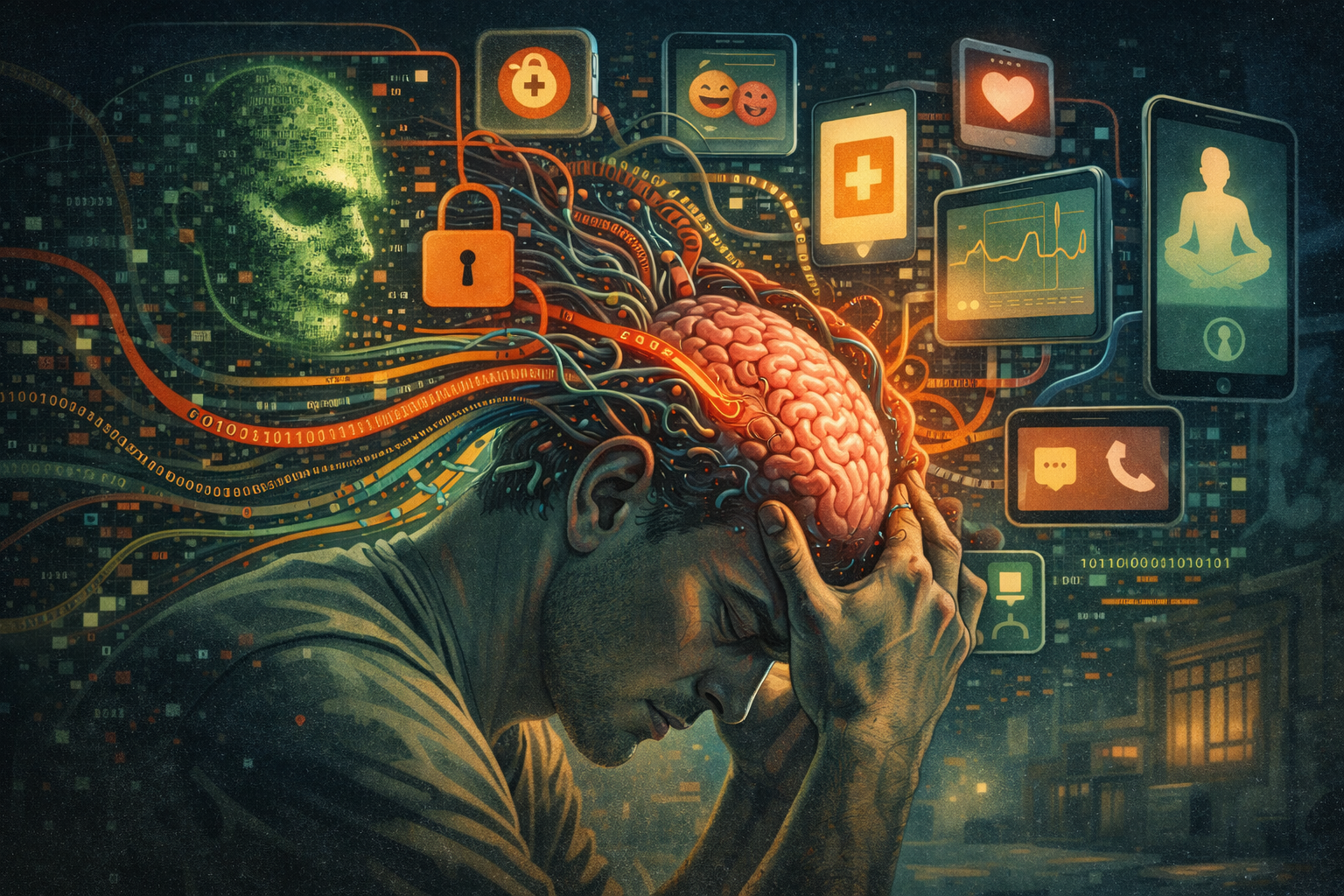
But behind this convenience lies a serious concern that many users overlook. These apps collect highly sensitive personal data, including thoughts, emotions, habits, and even voice recordings. When this data is not properly protected, it creates what can be called a “brain drain” situation, where deeply personal mental information leaks, gets misused, or falls into the wrong hands. This article explores the hidden vulnerabilities in mental health apps, why they matter, and how users can protect themselves.
The Rise of Mental Health Apps
Mental health apps have exploded in popularity due to several reasons. First, they are accessible. Anyone with a smartphone can download one and start using it instantly. Second, they offer privacy, at least on the surface. Many people feel more comfortable sharing their feelings with an app than with another human. Third, they are affordable compared to traditional therapy. Apps today offer a wide range of features such as mood tracking, journaling, breathing exercises, cognitive behavioral therapy techniques, and AI powered chatbots. Some even claim to replace therapists entirely. However, the more these apps integrate into users’ lives, the more data they collect. This includes daily mood logs, personal notes, sleep patterns, location data, and sometimes even biometric information. This makes them extremely valuable targets for cyber threats.
What Makes Mental Health Data So Sensitive
Not all data is equal. Mental health data is among the most sensitive types of personal information a person can share.
Think about it. When someone uses a mental health app, they might write about their fears, relationship problems, trauma, or darkest thoughts. This information is far more personal than a simple email address or phone number.
If such data is exposed, it can lead to serious consequences such as:
-
Emotional harm and embarrassment
-
Blackmail or manipulation
-
Workplace discrimination
-
Social stigma
Unlike a password that can be changed, emotional data cannot be taken back once it is exposed. This makes the security of mental health apps critically important.
Common Vulnerabilities in Mental Health Apps
Despite the sensitive nature of the data they handle, many mental health apps have significant security flaws. These vulnerabilities can put users at risk without them even realizing it.
Weak Data Encryption
Some apps fail to properly encrypt user data. This means that if the data is intercepted during transmission or accessed from a server, it can be read easily. Without strong encryption, even basic hacking attempts can expose private conversations and notes.
Poor Authentication Systems
Many apps rely on simple login systems that can be easily compromised. Weak passwords, lack of two factor authentication, and insecure session handling make it easier for attackers to gain access to user accounts.
Third Party Data Sharing
One of the biggest risks comes from third party integrations. Some mental health apps share user data with advertisers, analytics companies, or partners. In some cases, this happens without clear user consent.
This means your private mental health data could be used to target ads or analyzed for commercial purposes.
Insecure APIs
Applications often use APIs to connect different services. If these APIs are not secured properly, attackers can exploit them to access or manipulate data. This is a common issue in many mobile apps, including those in the health sector.
Lack of Transparency
Many apps do not clearly explain how user data is collected, stored, or shared. Privacy policies are often long, complex, and difficult to understand. As a result, users agree to terms without knowing the risks.
Real World Concerns
There have already been cases where mental health apps faced criticism for poor data practices. Some were found sharing user data with social media platforms or advertising networks. Others had vulnerabilities that exposed user journals and therapy sessions. These incidents highlight a key issue. Users trust these apps with their most personal thoughts, but not all companies treat that trust with the responsibility it deserves.
The Role of AI in Mental Health Apps
Artificial intelligence is becoming a major part of mental health apps. AI chatbots can simulate conversations, offer advice, and even detect emotional patterns. While this sounds helpful, it also introduces new risks. AI systems require large amounts of data to function effectively. This means collecting and analyzing user inputs on a large scale. If this data is not handled properly, it can be stored insecurely or used in ways users did not expect. Another concern is accuracy. AI does not truly understand emotions. In some cases, it may provide incorrect or harmful advice, especially in serious mental health situations.
Why Users Often Ignore These Risks
Despite these vulnerabilities, most users continue using mental health apps without concern. There are a few reasons for this. First, people trust technology more than they should. If an app looks professional and has good reviews, users assume it is safe. Second, the need for emotional support often outweighs concerns about privacy. When someone is struggling, they are less likely to read privacy policies or think about data security. Third, there is a lack of awareness. Many users simply do not know how their data is being used or what risks exist.
How to Protect Yourself
While the risks are real, there are steps users can take to protect their data and use mental health apps more safely.
Choose Reputable Apps
Before downloading an app, research the company behind it. Look for reviews, check their privacy policy, and see if they have a history of security issues.
Read Privacy Policies
Even though they can be long, try to understand how your data will be used. Pay attention to whether your data is shared with third parties.
Use Strong Security Settings
Always use strong passwords and enable two factor authentication if available. This adds an extra layer of protection to your account.
Limit Data Sharing
Avoid entering highly sensitive information unless necessary. Some apps allow anonymous use or limited data input.
Keep Apps Updated
Updates often include security fixes. Keeping your app updated reduces the risk of known vulnerabilities being exploited.
Be Careful with Permissions
Check what permissions the app is asking for. If a mental health app requests access to your contacts or location without a clear reason, it may be a red flag.
What Developers Need to Do
The responsibility does not lie only with users. App developers must take stronger steps to ensure user safety. They should implement end to end encryption, secure authentication methods, and regular security audits. Transparency is also essential. Users should clearly understand how their data is handled. Developers should also minimize data collection. Just because data can be collected does not mean it should be. Collecting only what is necessary reduces the risk in case of a breach.
The Future of Mental Health Apps
Mental health apps are not going away. In fact, they will become even more advanced and integrated into daily life. With improvements in AI and wearable technology, these apps may soon offer real time emotional insights and personalized therapy. However, this also means more data and greater risks. The future of these apps depends on finding a balance between innovation and privacy. Strong regulations, better security practices, and informed users will play a key role in shaping this space.
Final Thoughts
Mental health apps offer real benefits. They provide support, guidance, and tools that can improve well being. For many people, they are a convenient and accessible option. But it is important to remember that these apps deal with some of the most personal aspects of our lives. When security is weak, the consequences are not just technical but deeply human. The idea of brain drain in this context is not about losing talent but about losing control over our thoughts and emotions in the digital world. By staying aware, making informed choices, and demanding better practices from developers, users can enjoy the benefits of mental health apps without putting their privacy at risk. Your mind is one of your most valuable assets. It deserves protection, both offline and online.

