Zero Trust has become one of the most talked-about security models in recent years. The idea is simple on the surface: trust nothing by default and verify everything. In practice, however, many organizations misunderstand what Zero Trust actually requires.
Instead of reducing risk, poor implementation often creates complexity, user frustration, and blind spots that attackers can still exploit. The problem is not with the Zero Trust model itself, but with how it is interpreted and deployed.
What Zero Trust Is Meant to Achieve
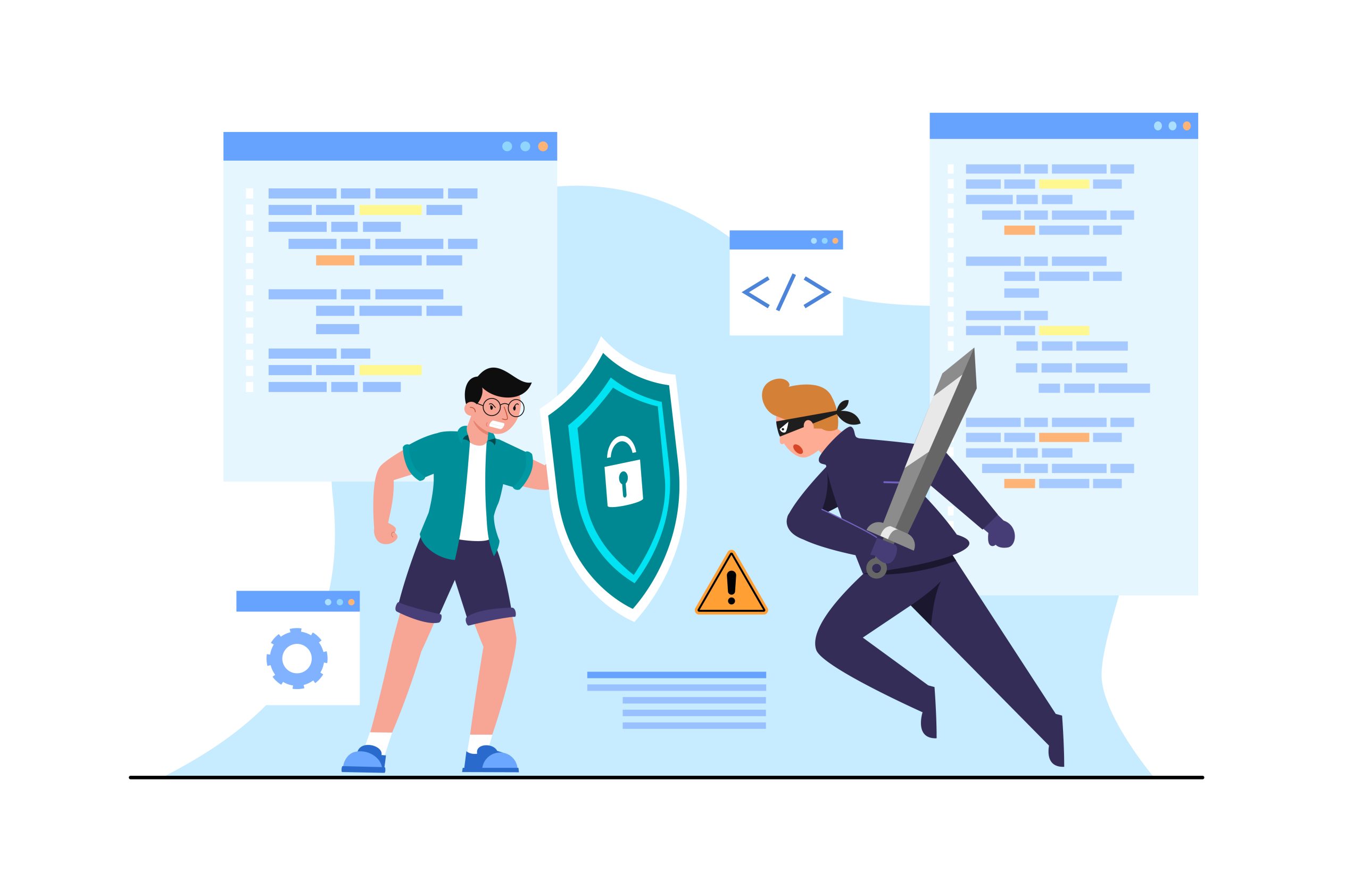
Zero Trust was designed to address the reality that traditional perimeter-based security no longer works. Modern networks are distributed, cloud-based, and accessed from anywhere.
The core principle is continuous verification. Every user, device, and request must be validated based on identity, context, and behavior, regardless of where it originates.
Moving Beyond the Network Perimeter
Zero Trust assumes that breaches will happen. Instead of focusing solely on keeping attackers out, it limits what they can do once inside.
This model reduces lateral movement, minimizes access, and contains damage when credentials are compromised.
Mistake One: Treating Zero Trust as a Product
One of the most common mistakes organizations make is viewing Zero Trust as something they can buy rather than build.
Over-Reliance on Vendor Solutions
Many security vendors market their products as “Zero Trust ready.” Organizations deploy these tools expecting instant transformation.
In reality, Zero Trust is an architectural approach. Tools support it, but they do not replace proper design, policy, and governance.
Fragmented Tool Adoption
Buying isolated tools without integration leads to gaps. Identity systems, endpoint security, and network controls must work together to enforce consistent policies.
Without coordination, Zero Trust becomes a collection of disconnected controls rather than a cohesive strategy.
Mistake Two: Focusing Only on Identity
Identity is a critical pillar of Zero Trust, but it is not the whole model.
Assuming MFA Equals Zero Trust
Multi-factor authentication is important, but it only verifies who a user is at login. Zero Trust requires continuous verification throughout a session.
If access decisions are not reassessed based on behavior, location, and risk, attackers can still abuse valid credentials.
Ignoring Device and Context Signals
Zero Trust also considers device health, operating system status, and network conditions. Granting access without validating the device undermines the entire model.
A compromised device with valid credentials is still a threat.
Mistake Three: Poor Access Segmentation
Zero Trust emphasizes least-privilege access, but many organizations struggle to enforce it correctly.
Overly Broad Permissions
Legacy access models often grant users more access than necessary. When these permissions are carried into a Zero Trust environment, the risk remains unchanged.
Attackers benefit when a single compromised account has access to multiple systems.
Lack of Application-Level Segmentation
Some organizations focus on network segmentation but ignore application-level access. Zero Trust requires granular control at the application and data level, not just network zones.
Without this, lateral movement is still possible.
Mistake Four: Neglecting User Experience
Security controls that disrupt productivity often lead to workarounds.
Excessive Authentication Prompts
Poorly designed Zero Trust implementations can overwhelm users with constant login requests. This leads to frustration and reduced compliance.
Users may look for ways to bypass controls rather than follow them.
Lack of Transparency
When users do not understand why access is denied or challenged, trust in security systems erodes. Clear communication and predictable behavior are essential for adoption.
Mistake Five: Ignoring Legacy Systems
Many organizations operate hybrid environments with legacy applications that were not designed for Zero Trust.
Forcing Modern Controls on Old Systems
Applying Zero Trust controls without understanding application dependencies can break workflows or create security gaps.
Legacy systems often require special handling, monitoring, or isolation strategies.
Delaying Modernization Indefinitely
Some organizations postpone addressing legacy risks altogether. This creates exceptions that attackers can exploit.
Zero Trust requires acknowledging these limitations and actively managing them.
Mistake Six: Lack of Continuous Monitoring
Zero Trust is not a set-it-and-forget-it model.
Static Policies in a Dynamic Environment
Access policies must adapt to changing risk. Static rules quickly become outdated as users, devices, and threats evolve.
Continuous monitoring ensures access decisions reflect current conditions.
Insufficient Logging and Visibility
Without detailed visibility into user behavior and access patterns, Zero Trust controls lose effectiveness. Monitoring is essential for detecting anomalies and responding quickly.
Mistake Seven: Underestimating Cultural Change
Zero Trust is as much a mindset shift as a technical one.
Resistance From Teams
Employees and IT teams may resist new access restrictions, especially if they are not involved in planning. Without buy-in, adoption suffers.
Lack of Executive Support
Zero Trust initiatives require long-term commitment and resources. Without leadership support, implementations stall or become inconsistent.
What Effective Zero Trust Looks Like in Practice
Successful Zero Trust implementations start with clear goals and realistic expectations.
Organizations prioritize high-risk assets, implement strong identity controls, and gradually refine access policies. They integrate tools, monitor continuously, and adjust based on real-world usage.
Most importantly, they treat Zero Trust as an ongoing process, not a finished project.
Conclusion
Zero Trust is not failing. Misunderstanding and poor execution are the real problems. Treating it as a product, focusing too narrowly on identity, and ignoring user experience undermine its effectiveness.
When implemented correctly, Zero Trust reduces attack impact, improves visibility, and aligns security with how modern organizations operate. Getting it right requires patience, planning, and a willingness to rethink long-standing assumptions about trust and access.

