Students share a lot of personal information every day. Signing up for apps, shopping online, or logging in to campus Wi-Fi might seem harmless. But data from those actions can end up in the wrong hands – sometimes even on the dark web. Leaked data includes things like names, email addresses, passwords, phone numbers, or credit card info. If that happens, it can lead to scams, hacked accounts, or stolen money.
Most students don’t know their data was exposed until it’s too late. That’s why learning to check if your data is safe is so important. It only takes a few minutes. And catching leaks early gives students a better chance to protect themselves. When schoolwork also feels like too much, using a quick and reliable service to write my paper for me can help students focus on their safety first – and catch up later.
What Is a Data Leak?
A data leak happens when private information is exposed or stolen. This can come from a website getting hacked or someone using weak passwords across different sites. Leaked data is often sold on the dark web.
So, the dark web is essentially the internet’s secret hiding spot. It’s not something students use every day, but cybercriminals do. They buy and sell stolen info there. It’s hard to track, which makes it dangerous. Even if students are careful, their data could still be leaked if a company they use gets hacked. That’s why checking is the only way to know for sure.
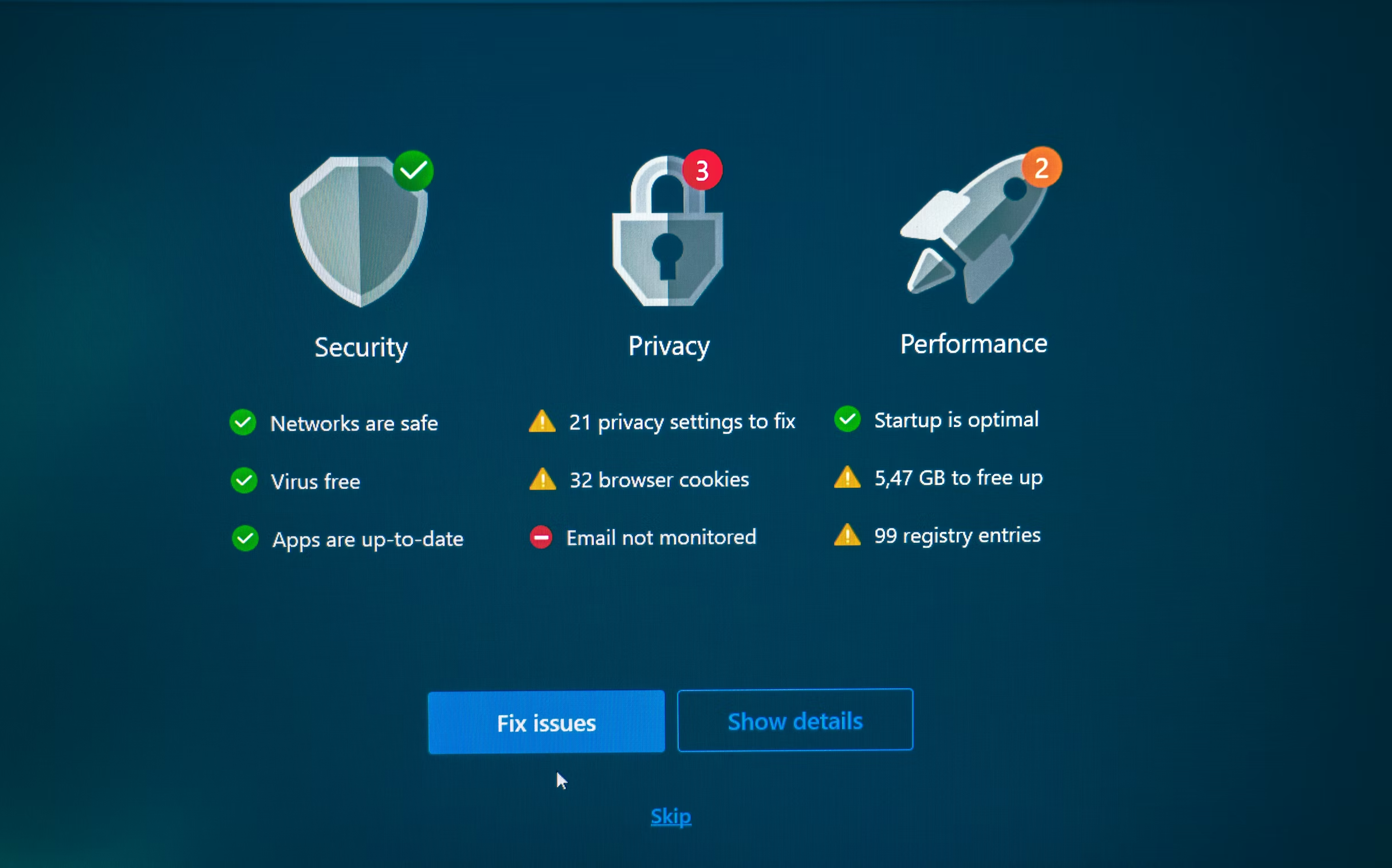
Step 1: Check With Free Tools
There are trusted websites that show if your email or phone number was found in a known data breach. These are safe to use and don’t ask for payment.
Try these:
- Have I Been Pwned
- Firefox Monitor
Just like when logging into a safe write my paper service, students can type in their school email, personal email, or phone number. This tool scans documented leaks to determine if your information has been compromised. If a breach is found, it usually says what kind of data was leaked – like passwords, addresses, or phone numbers. It also lists where the breach happened, like “Facebook” or “LinkedIn.”
Step 2: Use a Password Checker
Lots of students tend to use the same password for everything – school accounts, social media, email, you name it. That’s risky. If one password gets leaked, all those accounts are in danger.
Students can check if their passwords are safe using a password manager like:
- Bitwarden
- 1Password
- NordPass
These tools show if any saved passwords are weak, reused, or part of a known breach. They also suggest stronger ones and help change them quickly. No matter what tool is used, it’s smart to change passwords every few months. Always use different ones for each account.
Step 3: Search the Dark Web With Caution
There are services that claim to scan the dark web for leaked data. Some are real. Others are scams themselves. Students should be very careful.
Never trust a service that:
- Asks for a full Social Security number
- Requests payment before showing any results
- Sends scary messages or fake warnings
Safe options are often part of antivirus tools, such as:
- McAfee
- Norton LifeLock
- Bitdefender
These may offer dark web monitoring as part of a free or school-sponsored package. If a tool offers a free scan and is from a known brand, it’s usually fine to use.
Step 4: Take Action if a Leak Is Found
If a tool shows a student’s data was leaked, there are steps to take right away.
Start with this checklist:
- Change all passwords related to that email or app
- Enable two-factor authentication on all important accounts
- Check bank and credit accounts for unusual activity
- Warn close contacts if email or phone was leaked – scammers may pretend to be the student
Even if money hasn’t been stolen, leaked data could be used later. Staying alert and acting fast can help students avoid bigger problems.
Why This Matters to Students
Students are often targets for data theft. They sign up for lots of apps, share devices with others, and use public Wi-Fi often. Plus, many don’t check on their digital safety until something goes wrong. It’s easy to think, “This won’t happen to me.” But thousands of students find out each year that their emails or phone numbers were leaked months ago – and they only notice after a scam.
Protecting personal data isn’t just smart. It’s necessary. Students trying to keep up with school and stress may feel like they have no time to deal with this. In those moments, a trusted essay writing service can help shift the load. Daniel Parker, an academic advisor at EssayPro, points out that time is often the biggest barrier. “Students know what to do – they just need space to do it,” he says. Looking into a service to write a paper helps that space open up.
Other Signs Your Data May Be Compromised
Not all leaks are easy to find online. Some signs might show up in daily life. Students should watch for:
- Password reset emails they didn’t request
- Friends getting strange messages from their accounts
- Bank charges that don’t look familiar
- Slow devices or accounts logging out for no reason
If anything feels off, it’s better to check right away. Delaying can give scammers more time to use the data.
Staying Safe Going Forward
Once you know how to check for data leaks, the next big thing is preventing them. Getting into good digital habits is key – seriously, even small changes can make a huge difference in your security.
Tips that help:
- Never reuse passwords
- Don’t log into school accounts on public Wi-Fi without a VPN
- Avoid clicking on strange links in messages or emails
- Don’t overshare personal info on forms or sign-up pages
Also, always review account settings for privacy options. Most apps let students control what information is shared publicly. Turning off data sharing can reduce future risks.
Final Reminder
Students can easily find out if their personal data is safe or if it’s been exposed online. It takes a few minutes but protects months of hard work, money, and peace of mind. And when school pressure builds up, it’s okay to get help. Students who write my paper for me are choosing to protect their health and their future. That kind of support helps students take action when it matters most. The online world keeps changing. But with the right habits, students can stay one step ahead – and protect what matters.

