The internet has made life easier in countless ways. We shop online, transfer money instantly, work remotely, communicate through social media, and store important information in the cloud. However, as our dependence on the internet grows, so does the number of online scams and cybercrimes. One of the biggest threats people face today is internet fraud. Every year, millions of individuals and businesses lose money because of fraudulent online activities. Cybercriminals continuously develop new techniques to steal personal information, financial details, and sensitive business data. Understanding what internet fraud is and recognizing its different forms is the first step toward protecting yourself online.
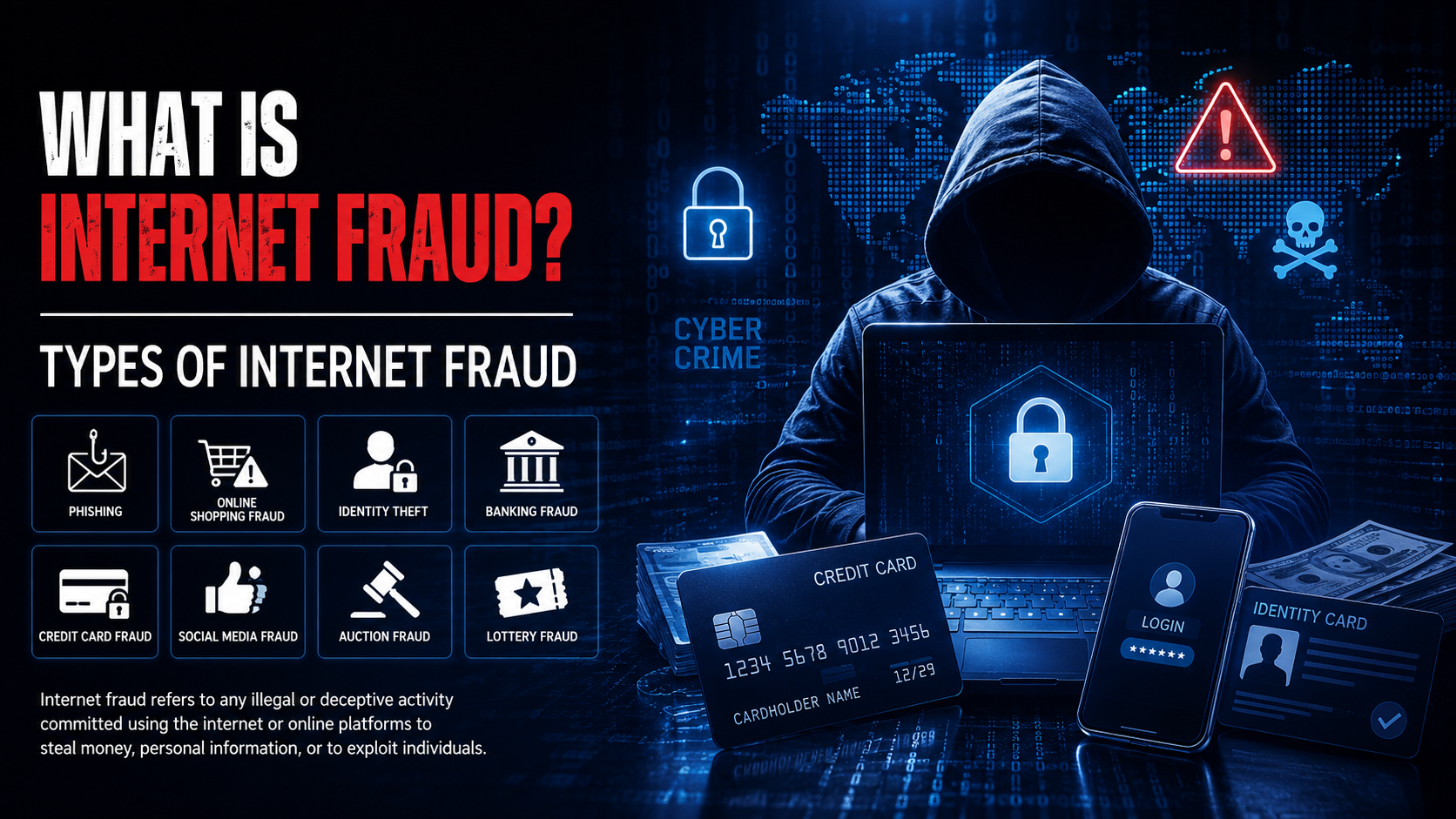
What Is Internet Fraud?
Internet fraud is any type of illegal activity carried out over the internet with the goal of deceiving people for financial gain or stealing valuable information. Fraudsters use fake websites, phishing emails, malicious software, social media scams, online marketplaces, and messaging platforms to trick victims into revealing personal details or sending money.
Unlike traditional scams, internet fraud can happen within minutes and often targets victims across different countries. Because cybercriminals can hide their identities using anonymous networks and stolen accounts, it can be difficult for law enforcement agencies to track them down. As technology continues to evolve, internet fraud has become more sophisticated, making awareness more important than ever.
Why Internet Fraud Is Increasing
The rapid growth of online banking, digital payments, cryptocurrency, cloud computing, and e-commerce has created more opportunities for cybercriminals. Many people now manage their finances entirely online, making personal information a valuable target. Criminals also use artificial intelligence to create convincing emails, fake customer support messages, cloned websites, and even realistic voice recordings that can fool unsuspecting victims. At the same time, many users continue to reuse passwords, ignore software updates, or click suspicious links, making attacks easier to carry out.
Common Types of Internet Fraud
Internet fraud comes in many forms, and attackers constantly invent new techniques. Here are some of the most common types you should know.
Phishing Scams
Phishing is one of the most widespread forms of internet fraud. Attackers send fake emails, text messages, or social media messages pretending to be trusted organizations such as banks, online stores, or government agencies. These messages often create a sense of urgency by claiming there is a problem with your account or asking you to verify personal information. Victims who click the provided links are taken to fake websites where they unknowingly enter usernames, passwords, or banking details that are immediately stolen.
Online Shopping Fraud
Fake online stores have become increasingly common. These websites advertise popular products at extremely low prices to attract buyers. After receiving payment, the scammers either send counterfeit products, deliver nothing at all, or disappear completely. Some fake stores exist only to collect customers’ credit card information for future fraud.
Credit Card Fraud
Credit card fraud occurs when criminals obtain stolen card information and use it to make unauthorized purchases. This information may come from hacked websites, phishing attacks, data breaches, card skimming devices, or malware installed on a victim’s computer. Victims often discover fraudulent charges only after reviewing their account statements.
Identity Theft
Identity theft happens when criminals steal personal information such as your name, date of birth, government identification number, driver’s license, or financial details. They may use this information to open bank accounts, apply for loans, file fraudulent tax returns, or commit crimes using someone else’s identity. Recovering from identity theft can take months or even years.
Investment Scams
Fraudsters often promise guaranteed profits through fake investment opportunities. These scams may involve cryptocurrency, forex trading, stock investments, or fake financial platforms. Victims are encouraged to invest large amounts of money with promises of high returns, only to discover later that the investment never existed.
Tech Support Scams
In a tech support scam, criminals contact victims by phone, email, or pop-up advertisements claiming that their computer has been infected with viruses. They convince victims to install remote access software or pay unnecessary repair fees. Once access is granted, scammers may steal files, install malware, or demand additional payments.
Romance Scams
Romance scams target people looking for relationships through dating websites or social media. The scammer spends weeks or months building trust before claiming to face an emergency that requires financial help. Victims often send money believing they are helping someone they care about, only to realize later that the entire relationship was fake.
Lottery and Prize Scams
Many people receive emails or messages claiming they have won a lottery, contest, or expensive prize. To claim the reward, victims are asked to pay taxes, processing fees, or shipping charges in advance. After payment is made, the scammers disappear, and no prize is ever delivered.
Business Email Compromise
Business Email Compromise, commonly known as BEC, targets companies instead of individuals. Attackers gain access to or imitate business email accounts and send fake invoices or payment requests to employees or clients. Because the emails appear legitimate, businesses sometimes transfer large amounts of money directly into criminals’ bank accounts.
Cryptocurrency Fraud
As digital currencies become more popular, cryptocurrency scams continue to increase. Fraudsters create fake trading platforms, fraudulent investment opportunities, counterfeit wallet applications, and phishing websites designed to steal cryptocurrency. Since cryptocurrency transactions are generally irreversible, recovering stolen funds is extremely difficult.
Social Media Scams
Cybercriminals frequently use social media platforms to impersonate celebrities, businesses, friends, or customer support representatives. They promote fake giveaways, investment opportunities, online jobs, or shopping deals that are designed to steal money or personal information from unsuspecting users.
Fake Job Offers
Employment scams often target people searching for remote work. Fraudsters advertise attractive job opportunities with high salaries and flexible schedules. Victims may be asked to pay training fees, purchase equipment, or provide sensitive personal information before starting work. Once payment or information is collected, the scammers disappear.
Warning Signs of Internet Fraud
Recognizing the warning signs can help you avoid becoming a victim. Be cautious if someone pressures you to act immediately, asks for confidential information through email or text messages, requests payment using gift cards or cryptocurrency, promises guaranteed profits, offers products at unrealistically low prices, or asks you to keep financial transactions secret. Poor grammar, suspicious website addresses, and unexpected attachments are also common indicators of online fraud.
How to Protect Yourself from Internet Fraud
Protecting yourself starts with good cybersecurity habits. Use strong and unique passwords for every online account, preferably stored in a trusted password manager. Enable multi-factor authentication whenever possible to add an extra layer of security. Keep your operating system, browser, and applications updated to fix known security vulnerabilities. Never click suspicious links or download unexpected attachments from emails or text messages. Always verify website addresses before entering payment information, and avoid making financial transactions over public Wi-Fi unless you are using a secure VPN. Regularly monitor your bank accounts and credit card statements for unauthorized activity and report suspicious transactions immediately.
What to Do If You Become a Victim
If you believe you have been targeted by internet fraud, act quickly. Change the passwords for affected accounts immediately and enable multi-factor authentication if it is not already active. Contact your bank or credit card provider to report unauthorized transactions and request that compromised cards be blocked. Scan your devices for malware using trusted security software and monitor your financial accounts closely for additional suspicious activity. If your identity has been stolen, report the incident to the appropriate government authorities and credit bureaus in your country so they can help prevent further misuse of your personal information.
The Future of Internet Fraud
Internet fraud continues to evolve as technology advances. Artificial intelligence now enables criminals to create highly convincing phishing emails, realistic fake voices, deepfake videos, and automated scam campaigns that target thousands of people simultaneously. As businesses and individuals adopt new technologies such as digital wallets, smart devices, and online identity verification systems, fraudsters will continue searching for new weaknesses to exploit. Staying informed about emerging threats and practicing good online security habits will remain the best defense against future attacks.
Final Thoughts
Internet fraud is one of the most common cyber threats affecting individuals and businesses today. From phishing scams and fake online stores to identity theft, cryptocurrency fraud, and business email compromise, cybercriminals are constantly finding new ways to deceive people and steal valuable information. While no one can eliminate the risk completely, understanding how these scams work and following basic cybersecurity practices can greatly reduce your chances of becoming a victim. By staying alert, verifying information before taking action, using strong passwords, enabling multi-factor authentication, and keeping your devices secure, you can enjoy the benefits of the internet while protecting your personal information and finances from online fraud.

