Watch Minecraft content long enough and you’ll probably have a whole list of recommended seeds before you even start a world — especially when you’re searching for seeds on minecraft.
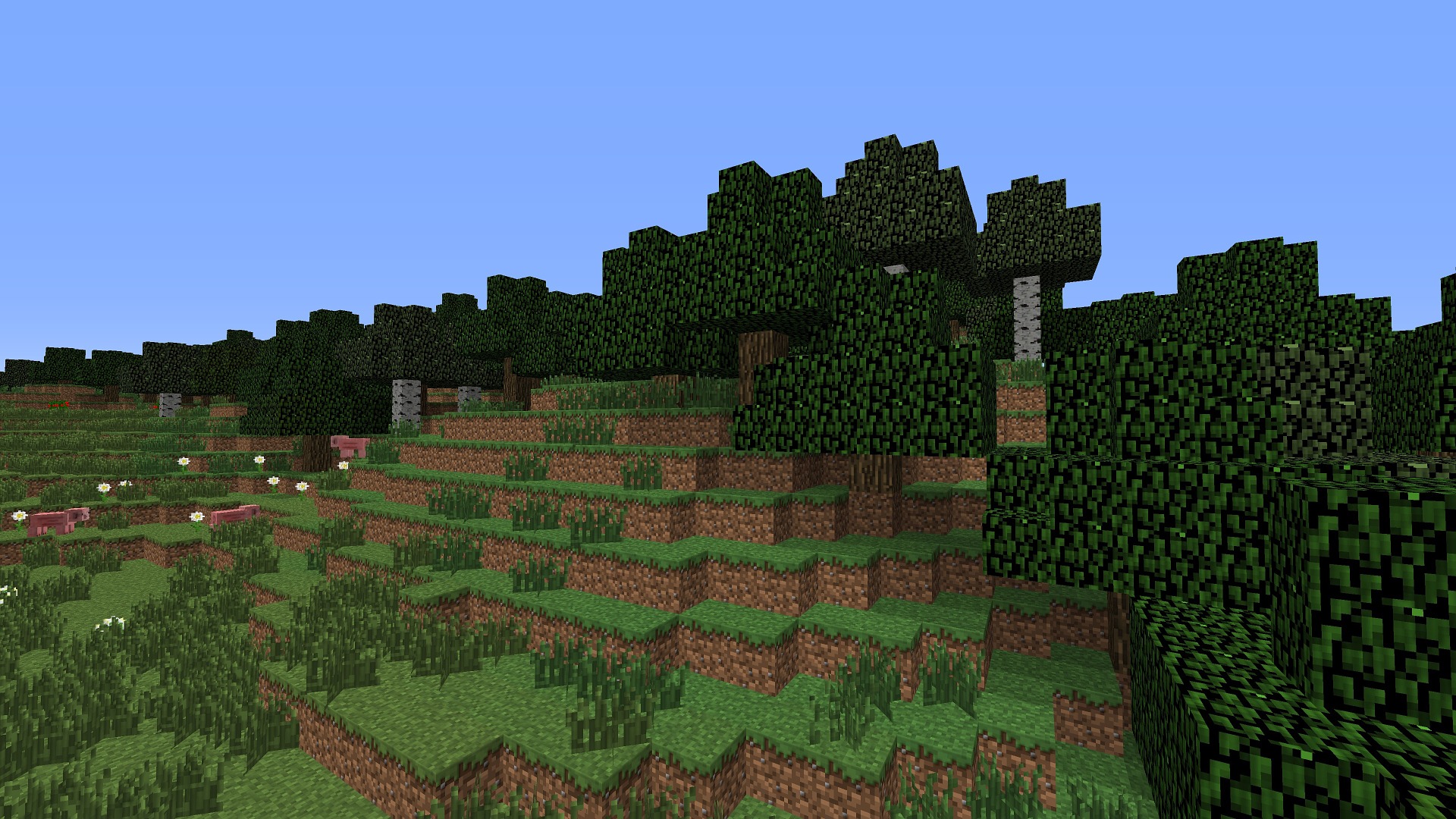
That’s what a seed is. It’s the code the game uses to generate a world. Put in the same code, and you get the same map layout. That means the same spawn point. The same villages. The same mountains, caves, and nearby structures. So if you want a world with a strong start, a cool view, or rare biomes close together, seeds make that easy.
What a Minecraft seed actually does
A seed is basically the blueprint for world generation. Every time you make a new world, Minecraft uses that number to generate the terrain and decide what everything looks like.
It affects things like:
- biome placement
- villages and temples
- rivers and oceans
- mountains and caves
- nearby loot spots
This is why players share seeds online. You could keep rolling random maps for an hour… or just copy a seed that already spawns everything you’re looking for.
Why players search for specific seeds
People usually look for seeds for a simple reason: they want a better start.
Here are some pretty common examples:
- a village right next to spawn
- a stronghold not too far away
- big mountain ranges for building
- several biomes close together
- survival worlds with easy food and wood early on
- weird or funny terrain
And sometimes people just want a world that looks good. If you’re making a castle, a city, or a hardcore base, the map matters a lot. A flat boring spawn can kill the mood fast.
How to use minecraft get seed in your game
Already playing in a world and need the seed? No problem. In Java Edition, you can normally get it by entering /seed, as long as you have permission to use commands. That gives you the exact world code. This is what people mean when they search minecraft get seed.
They want to copy the world setup and either:
- reuse it in a new save
- share it with friends
- test routes for survival or speedruns
- move the world to a server
If you’re playing on a server, access to the seed depends on permissions. A lot of server owners block it. So if /seed does nothing, that’s probably why.
How seeds work in Bedrock and PE
A lot of players still search for pe seeds minecraft, and that makes sense. PE means Pocket Edition, which is now part of Bedrock Edition. The idea is the same: a seed gives you a repeatable world. use.ai But there is one catch. Java and Bedrock do not always generate the exact same world from the same seed. Sometimes the terrain feels similar. But structure placement can be different. So if you find a seed made for Java, don’t assume it will match perfectly on mobile or Bedrock. That’s where people mess up a lot. They copy a cool seed from a video, load it on PE, and the village isn’t there. The seed may still work. Just not in the same way.
What makes a seed worth using
Not every popular seed is actually good. Some sound impressive in a title, but once you load in, the useful stuff is too far away.
A good seed usually gives you one of these:
- fast access to wood, food, and shelter
- a village or ruined portal nearby
- strong terrain for building
- useful biome variety close to spawn
- interesting exploration without walking thousands of blocks
For example, a seed with a plains village, blacksmith loot, and a cave opening near spawn is great for survival. A seed with ice spikes 3,000 blocks away is less useful, even if it looks cool in a screenshot.
Seeds are even better when you play with friends
This is where things get more fun. If you and your friends all start in the same strong seed, the early game feels way better. You don’t waste an hour just looking for food and trees. And if you’re hosting a shared world, the map matters from day one. A good spawn area makes the server feel alive fast. People spread out, build faster, and don’t quit after ten minutes. If you’re setting up multiplayer, best minecraft server hosting matters too. A bad host can turn even a great world into lag, chunk issues, and random crashes. So the seed is one part. The server itself is the other part.
Where people usually find seed lists
Most players get seeds from:
- Reddit threads
- YouTube videos
- Minecraft forums
- seed finder websites
- TikTok clips with coordinates
But there is a problem. A lot of those lists are old. And some are made for different versions. Minecraft world generation changes over time. So a seed from one version may not look right in another.
Always check:
- game version
- Java or Bedrock
- coordinates shown in the post
- whether the creator tested it recently
That saves a lot of frustration.
When it makes sense to host your own world
If you found a world seed you really like, using it on a private server is usually better than keeping it as a local save. Why? Because then your friends can join anytime. And the world doesn’t depend on one person’s PC being online. If that’s your plan, this can help: Godlike Host You’ll probably care the most if it’s a survival world you’re serious about, a modded setup, or a server you plan on playing for months.
Final thoughts
Sometimes the easiest way to enjoy Minecraft is to skip the random worlds altogether. A good seed lets you start with the exact kind of map you were looking for. Maybe you want a clean survival spawn. Maybe a village at the start. Maybe mountains for a big base. That’s honestly the idea. Mess around with different seeds, see which ones actually feel good in your version, and keep your favorites instead of trying to remember them. A solid world can carry a server or solo run for weeks.

