Who’s Driving IT Innovation in 2025? The year 2025 marks a defining moment in the evolution of global technology. With artificial intelligence, cloud ecosystems, cybersecurity, digital infrastructure, and automation reshaping industries at unprecedented speed, tech leadership has become the single most critical driver of corporate innovation. Businesses no longer simply adopt technology—they design their entire competitive strategy around it. This shift has given rise to a new generation of visionary leaders, thinkers, and builders who are steering the IT ecosystem into its next era.
In this comprehensive analysis, we explore the major leadership trends shaping the landscape, the roles influencing the future of IT, and the innovators—individuals, teams, and organisational profiles—who are driving transformation in 2025.
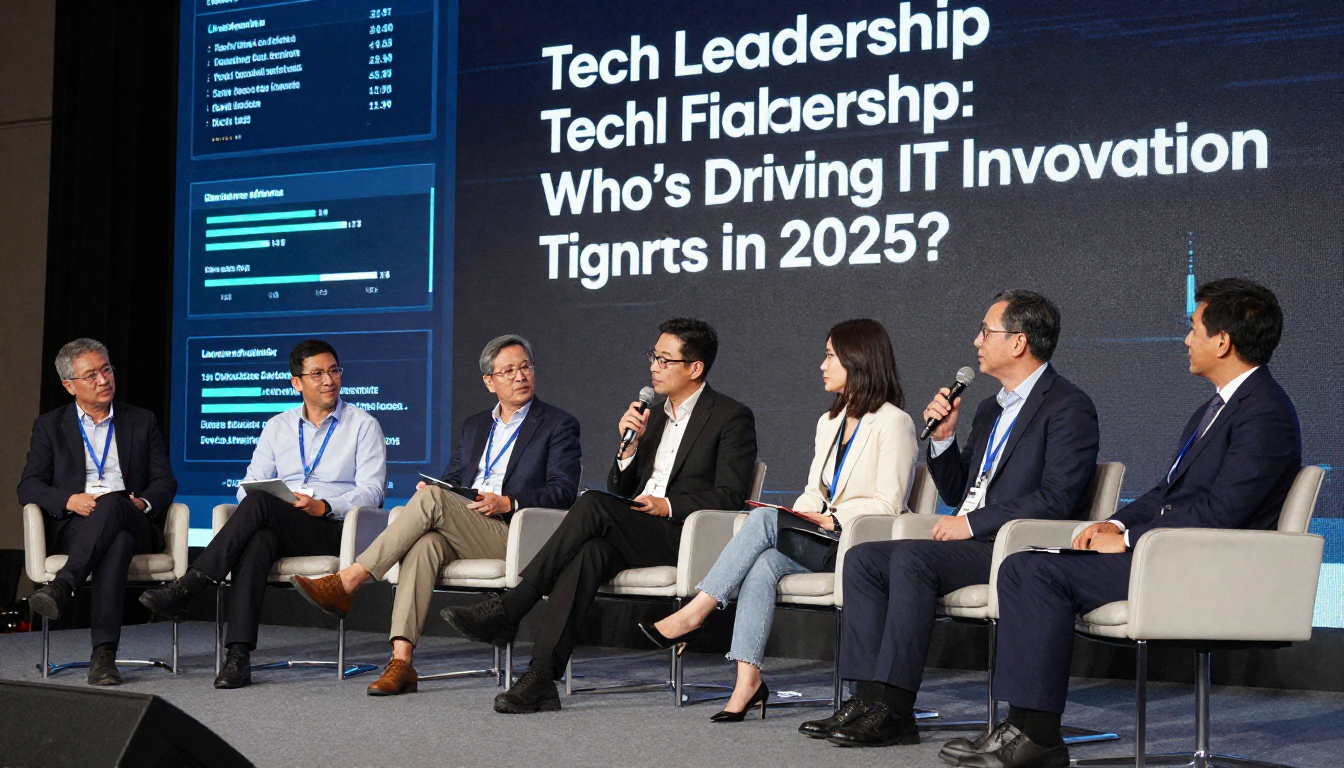
The New Face of Tech Leadership in 2025
Technology leadership in 2025 is dynamically different from what it was even five years ago. As digital ecosystems expand, leaders today must balance strategy, technical depth, adaptability, and the ability to scale innovation at speed.
Three major shifts define the 2025 leadership landscape:
1. AI-First Leadership is Now Standard
Leaders today must understand, implement, and scale artificial intelligence. AI-first planning is embedded in every function—product development, supply chain, marketing, cybersecurity, customer experience, and analytics.
Tech leaders in 2025 are not simply deploying AI tools—they are building AI-led cultures where:
- Data is the core strategic asset
- Automation eliminates repetitive processes
- AI copilots support teams
- Predictive insights guide decision-making
This mindset separates future-ready enterprises from stagnant ones.
2. Cloud-Native Leadership is Mandatory
Rapid shifts to multi-cloud and hybrid cloud environments demand leaders who can:
- Manage scalable architectures
- Optimize costs
- Ensure sovereignty and compliance
- Build resilient digital foundations
Cloud-native leadership allows organisations to innovate continuously and adapt quickly to market demands.
3. Cyber-Resilient Leadership Defines Trust
In 2025, cybersecurity is not just a technical function—it is a boardroom priority.
Modern tech leaders must:
- Prioritise zero-trust frameworks
- Adopt AI-driven threat detection
- Build resilient infrastructures
- Manage regulatory complexity
Trust, reputation, and customer loyalty heavily depend on cyber strength.
Who’s Driving IT Innovation in 2025? Key Leadership Profiles
Below are the major categories of leaders shaping the global IT innovation story.
1. CIOs & CTOs: The Strategic Architects of Digital Transformation
In 2025, Chief Information Officers (CIOs) and Chief Technology Officers (CTOs) hold more strategic power than ever. They are the backbone of enterprise technology evolution, driving decisions related to automation, infrastructure, cloud investments, IT modernisation, cybersecurity, and digital transformation.
Roles CIOs & CTOs Are Playing in 2025
- Designing AI-driven organisational operating models
- Leading cloud migration and modernisation
- Building resilient cybersecurity foundations
- Scaling digital infrastructure and data centres
- Identifying emerging technology opportunities
- Managing ecosystem partnerships and tech vendors
- Enabling workforce transformation through digital tools
Their focus is shifting from cost efficiency to value creation, with innovation placed at the centre of IT strategies.
2. AI & ML Leaders: The Brains Behind Intelligent Systems
AI scientists, ML engineers, and AI product heads are some of the most influential figures in 2025’s innovation journey. They are shaping enterprise-grade intelligence by designing models that automate functions, improve accuracy, and unlock new business capabilities.
How AI Leaders Are Transforming 2025
- Developing generative AI copilots for enterprise workflows
- Implementing predictive analytics for demand forecasting
- Building autonomous systems and AI-driven decision engines
- Enhancing cybersecurity with AI-enabled threat detection
- Creating AI governance frameworks to ensure ethical deployment
AI leadership is not just technical—it is visionary. Organisations with strong AI leaders gain an exponential competitive advantage.
3. Cloud & Infrastructure Leaders: The Builders of Digital Foundations
Cloud architects, DevOps leads, SRE experts, and infrastructure chiefs are responsible for building the digital backbone that supports scalable AI and business transformation.
Their Core Contributions in 2025
- Driving multi-cloud & hybrid cloud strategies
- Supporting high-performance computing (HPC) for AI workloads
- Enabling edge computing for real-time data processing
- Building energy-optimised and AI-ready data centres
- Ensuring cloud security and regulatory compliance
Without these leaders, organisations cannot scale, innovate, or protect their digital operations.
4. Cybersecurity Chiefs: The Guardians of the Digital World
Chief Information Security Officers (CISOs), security architects, and risk leaders play a mission-critical role in 2025. As cyber threats surge, their responsibilities extend beyond defence—they must predict, prevent, and respond to evolving digital risks.
Their Influence Includes:
- Implementing zero-trust security architecture
- Leading AI-driven threat hunting and monitoring
- Ensuring regulatory compliance across borders
- Protecting customer data and digital identities
- Managing incident response and disaster recovery
Security leaders in 2025 are also deeply involved in shaping trust, corporate reputation, and long-term resilience.
5. Digital Transformation & Innovation Officers
Chief Digital Officers (CDOs) and Chief Innovation Officers are essential forces driving digital reinvention at enterprise scale. Their mandate is simple: make the business future-ready.
Their 2025 Priorities
- Reimagining business models using AI and automation
- Prioritising customer-first digital experiences
- Scaling omnichannel and hyper-personalisation
- Leading digital culture and workforce transformation
- Driving cross-functional innovation programs
They translate complex technology into simple, measurable business outcomes.
6. Product & Engineering Leaders: The Creators of Digital Value
In 2025, product leaders and engineering directors are responsible for designing the technology experiences that customers interact with daily.
Their Impact in 2025
- Building AI-powered digital products and apps
- Driving experimentation, prototyping, and agile innovation
- Creating customer-centric design frameworks
- Managing feature velocity and release cycles
- Balancing speed, quality, and security
These leaders emphasise usability, reliability, and scalable architectures.
7. Data Leaders: The Stewards of Enterprise Intelligence
Chief Data Officers (CDOs), data scientists, and analytics leaders oversee the most valuable enterprise asset—data.
Their Key Roles
- Designing enterprise-wide data governance
- Ensuring ethical AI and compliance
- Modernising data warehouses & lakehouse architectures
- Enabling real-time analytics and decision intelligence
- Driving data democratisation across teams
With data volume exploding, these leaders ensure accuracy, quality, accessibility, and security.
8. Sustainability & Green IT Leaders
Sustainable technology leadership is one of 2025’s defining trends.
As digital operations expand, organisations must reduce their environmental impact.
Sustainability Leaders Focus On:
- Carbon-optimized cloud workloads
- Energy-efficient data centres
- Circular technology practices
- Green AI and eco-friendly computing
- Digital sustainability reporting
Customers and investors increasingly demand climate-responsible IT operations.
Emerging Leadership Trends Shaping 2025
1. Rise of AI-Augmented Leadership
Leaders are using AI copilots for:
- Decision support
- Strategy modeling
- Market analysis
- Workflow automation
- Product innovation
AI is no longer just a tool—it is a leadership partner.
2. Collaborative, Ecosystem-Driven Leadership
Tech leaders increasingly collaborate across:
- Industry consortiums
- Cloud vendor ecosystems
- AI research alliances
- Regulatory and policy groups
Innovation thrives through partnerships, not silos.
3. Workforce-Centric Tech Leadership
In 2025, leaders don’t only manage technology—they elevate people by providing:
- AI-assisted productivity tools
- Reskilling and digital learning programs
- Remote and hybrid collaboration systems
Strong tech leadership supports human intelligence, not replaces it.
What Makes a Successful Tech Leader in 2025?
✔ Vision + Technical Depth
Leaders must understand emerging technologies deeply while articulating their strategic potential.
✔ Agility and Innovation Mindset
Rapid experimentation and iteration are essential.
✔ Risk Management + Cyber Awareness
Security and ethics guide all decisions.
✔ People Leadership + Culture Building
Digital culture determines transformation success.
✔ Cross-Functional Influence
Tech leaders collaborate with business, finance, operations, and regulatory teams.
Conclusion
In 2025, technology leadership is at the heart of global innovation. CIOs, CTOs, AI researchers, cybersecurity chiefs, cloud architects, product innovators, and data leaders are steering the world toward a more intelligent, automated, and secure digital future. Their collective efforts—across strategy, engineering, security, and transformation—are shaping the next era of enterprise technology.
The organisations that thrive in 2025 and beyond will be those that embrace visionary tech leadership, prioritise AI-first innovation, strengthen cybersecurity, modernize digital infrastructure, and invest in people-centric transformation.
Tech leaders are no longer supporting the business—they are the business. And in 2025, they are defining what the future of IT innovation looks like.

