In 2026, the world of cybersecurity is facing an unprecedented transformation. Artificial Intelligence (AI), once celebrated for its ability to innovate and protect, has now become a double-edged sword. Cybercriminals are increasingly leveraging generative AI models—the same technology that powers content creation, coding assistants, and automated design—to develop AI-powered malware capable of learning, adapting, and evading detection at a scale never seen before.
Unlike traditional malware, which follows pre-defined patterns, AI-driven malware behaves autonomously, analyzes its environment, and modifies its attack strategies in real time. These malicious agents can bypass static defenses, disguise themselves through synthetic data, and even mimic legitimate user behavior. The result is a new cyber threat landscape where malware evolves faster than most organizations can respond.
This article dives deep into the mechanics, evolution, and impact of AI-powered malware, revealing how generative models are reshaping cybercrime—and what cybersecurity professionals must do to fight back.
The Evolution of Malware in the Age of AI
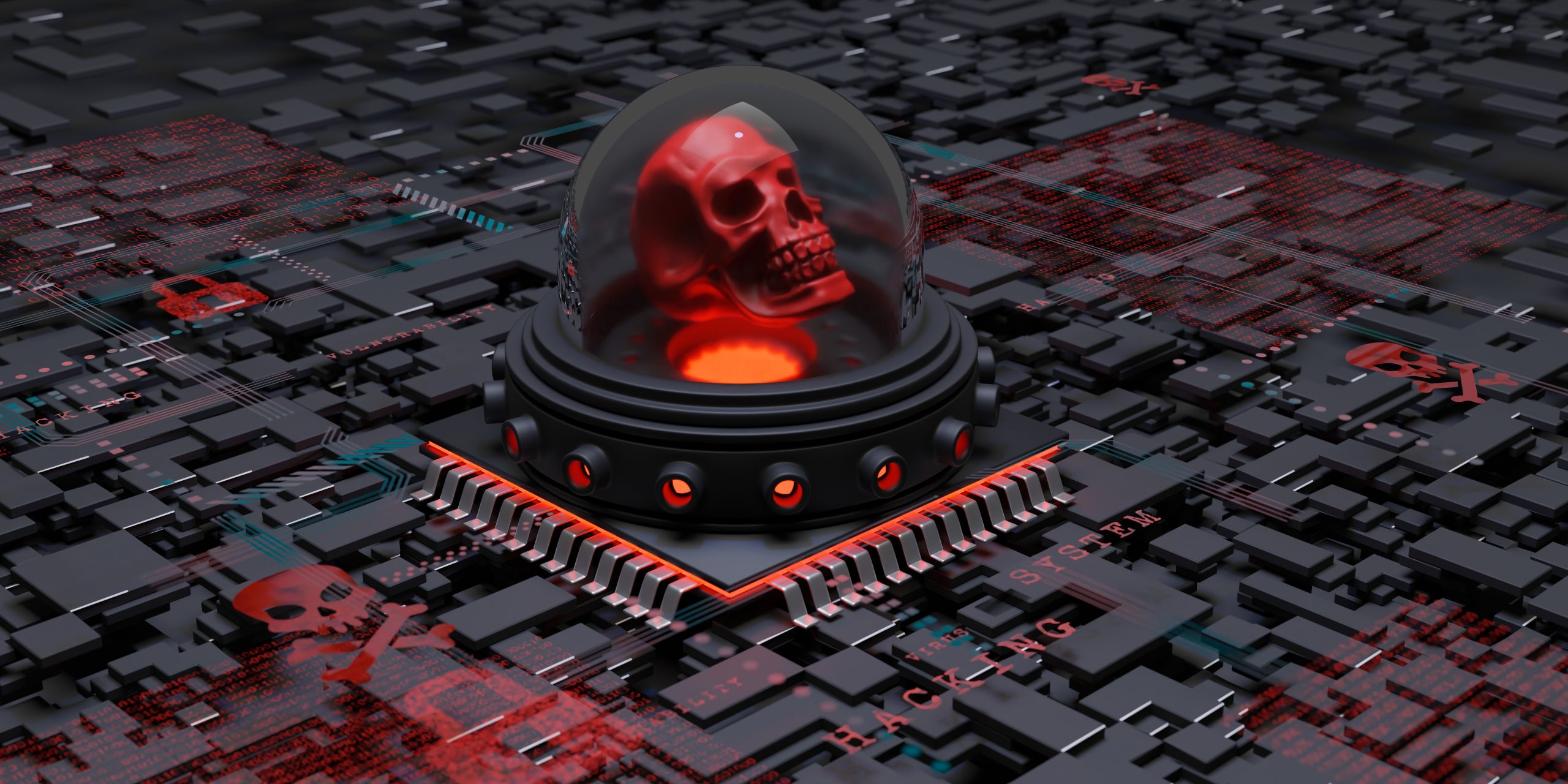
From Script Kiddies to AI Architects
The journey of malware creation has always mirrored technological progress. In the early 2000s, malware authors relied on pre-built scripts and manual coding. Then came the rise of exploit kits and automated payload generators. Now, with AI democratization, even low-skilled attackers can harness advanced machine learning frameworks to create customized, adaptive threats.
Generative AI models such as GPT-based code generators or GANs (Generative Adversarial Networks) have transformed the malware development process. Criminals no longer need to hardcode payloads—they can instruct AI to create polymorphic code that mutates every time it runs, effectively rendering signature-based antivirus tools useless.
How AI Malware Learns and Adapts
AI-powered malware employs reinforcement learning and self-improvement loops. It studies its environment—system configurations, network defenses, and user habits—to select the most effective exploitation path. For instance, if a security software blocks one payload, the malware can generate a new variation within milliseconds.
This adaptability means that containment strategies based on known attack patterns are becoming obsolete. The malware doesn’t just evade—it outsmarts its defenders.
Inside the Mind of AI-Powered Malware
1. Generative Code Creation
At the heart of AI-powered malware lies code generation models trained on vast datasets of both benign and malicious software. These models allow malware to rewrite itself dynamically, introducing obfuscation techniques that even advanced security tools struggle to decipher.
Some sophisticated malware families now use natural language prompts to instruct their AI components, meaning attackers can literally “chat” with their malware to tweak its behavior.
2. Autonomous Decision-Making
Traditional malware follows a static logic path. AI-driven malware uses decision trees and neural networks to determine its next move. For example:
-
Should it exfiltrate data or remain dormant?
-
Should it encrypt files for ransom or sell access on the dark web?
-
Should it pivot laterally within the network or blend in with normal traffic?
This self-directed behavior transforms malware from a tool into an autonomous threat agent.
3. Social Engineering Enhancement
AI-powered malware doesn’t only infect systems—it manipulates humans. By using AI-generated deepfakes, realistic emails, or cloned voices, attackers can bypass social trust barriers. A malware campaign in 2026 might include an AI-crafted phishing message written in perfect corporate tone, followed by an audio deepfake of the CEO requesting an “urgent system update.”
The fusion of AI deception and technical infiltration makes modern attacks almost indistinguishable from legitimate digital activity.
Real-World Examples and Case Studies
The Emergence of “NeuroStrike” Malware (2026)
In early 2026, cybersecurity researchers identified a malware strain dubbed NeuroStrike. Unlike traditional ransomware, it leveraged a fine-tuned generative model that could detect the linguistic and behavioral patterns of system administrators. It monitored admin chat messages to time its encryption payloads when they were least active—maximizing damage while minimizing detection.
DarkGPT: The Underground Malware Factory
In the darker corners of the web, underground forums have begun trading access to “DarkGPT”, a modified language model trained exclusively on malware codebases. It can generate zero-day exploits, mutate existing trojans, and automatically insert anti-forensic routines. Essentially, it acts as a malware-as-a-service AI—users can input target parameters and receive a customized attack package.
These examples underscore how AI models are not just tools for automation—they’re engines of evolution for cyber threats.
Why Traditional Security Can’t Keep Up
The End of Signature-Based Defense
Most traditional antivirus systems rely on static signatures or known behavior patterns. But AI-powered malware, with its ability to recompile and obfuscate itself continuously, ensures that every new instance looks unique. This polymorphism results in zero-day variants appearing daily, overwhelming traditional detection pipelines.
Evasion of Machine Learning Defenses
Ironically, many cybersecurity systems now use AI for detection—but AI malware is learning to fool AI defenses. By studying the response patterns of intrusion detection models, advanced malware can alter its activity to appear benign. This technique, known as adversarial evasion, creates a cat-and-mouse dynamic between security AIs and offensive AIs.
The Challenge of Explainability
Another issue is the “black box” nature of AI systems. Security teams often struggle to interpret AI-generated alerts or understand why an algorithm flagged a process as malicious. This lack of transparency slows down responses and enables adaptive malware to slip through unnoticed.
The Role of Generative Models in Cybercrime Ecosystems
AI-Generated Exploits
Generative models trained on open-source vulnerability databases can automatically produce exploit proof-of-concepts (PoCs) for unpatched systems. Cybercriminals have begun using these to scan for exposed targets, launch attacks, and even sell exploit kits on the dark web within hours of a CVE release.
Automated Phishing and Disinformation Campaigns
By combining large language models (LLMs) with sentiment analysis, attackers can craft hyper-personalized phishing messages. These messages reflect a recipient’s language style, profession, and behavior—making them nearly impossible to identify as fraudulent. Furthermore, generative models are being used to spread disinformation, creating fake news or malicious “security bulletins” to lure victims into installing malware-laced updates.
AI Agents for Persistent Threats
Some advanced persistent threat (APT) groups now use autonomous AI agents that remain inside a network for months, collecting intelligence and modifying themselves to avoid detection. These agents can even communicate covertly through encrypted, AI-generated data streams that mimic normal application traffic.
Defending Against AI-Powered Malware
1. AI-Driven Defense Systems
The only viable countermeasure to AI-powered malware is an equally intelligent defense. Adaptive cybersecurity platforms now use machine learning to analyze behavioral anomalies rather than static patterns. By focusing on deviations in data flow, timing, and access patterns, they can detect subtle indicators of compromise invisible to traditional systems.
2. Zero-Trust Architecture and Continuous Verification
Implementing zero-trust models ensures that no device or user is automatically trusted. Combined with continuous authentication—using biometric, behavioral, and contextual signals—organizations can reduce the attack surface available to adaptive malware.
3. Synthetic Threat Simulation
Security researchers are beginning to train defensive AIs on synthetic malware created by ethical generative models. This “vaccination strategy” allows defenders to anticipate new attack methods before they appear in the wild, improving resilience against real-world variants.
4. Human-AI Collaboration
Despite the sophistication of AI threats, human expertise remains critical. Analysts must oversee and audit AI decisions, ensuring accountability and contextual understanding. The most effective cybersecurity strategies in 2026 combine AI automation with human intuition—a partnership that mirrors the evolving battle between intelligent attackers and defenders.
Ethical and Regulatory Implications
AI-powered malware also raises serious ethical and legal questions. Who is responsible when an AI system autonomously commits a cybercrime? Should AI model developers be liable for misuse if their open-source models are weaponized?
Governments and industry leaders are debating the implementation of AI regulation frameworks, focusing on traceability, model transparency, and controlled access to powerful generative systems. Without international coordination, however, enforcing such rules across borders remains a daunting challenge.
Conclusion: The Future of Cyber Warfare
The emergence of AI-powered malware marks a turning point in the history of cyber warfare. Generative models have blurred the line between human and machine ingenuity, giving rise to digital adversaries that think, learn, and evolve independently.
In 2026 and beyond, cybersecurity is no longer about patching vulnerabilities—it’s about fighting intelligence with intelligence. Organizations that continue relying solely on legacy defenses will find themselves outpaced by adversaries that never sleep, never tire, and never stop adapting.
The only sustainable path forward lies in AI-augmented defense, ethical AI governance, and global collaboration to secure the digital ecosystem. As generative technology continues to evolve, so too must our collective commitment to ensure it serves creation—not destruction.

