Phishing has always relied on deception, but for years that deception had limits. Poor grammar, generic messages, and suspicious attachments gave defenders a fighting chance. That margin is disappearing. Deepfake technology has pushed social engineering into a new phase where attackers no longer imitate brands or executives. They recreate them.
Deepfake-driven phishing combines synthetic audio, video, and images with traditional malware delivery techniques. Instead of a suspicious email, victims receive a voice message that sounds exactly like their manager or a video call that looks convincingly real. The goal is not just to trick the victim, but to remove hesitation entirely.
This convergence of malware and synthetic media represents one of the most dangerous evolutions in cybercrime. It targets human trust rather than technical vulnerabilities, and in many cases, it bypasses security controls completely.
Understanding Deepfake Technology in Cybercrime
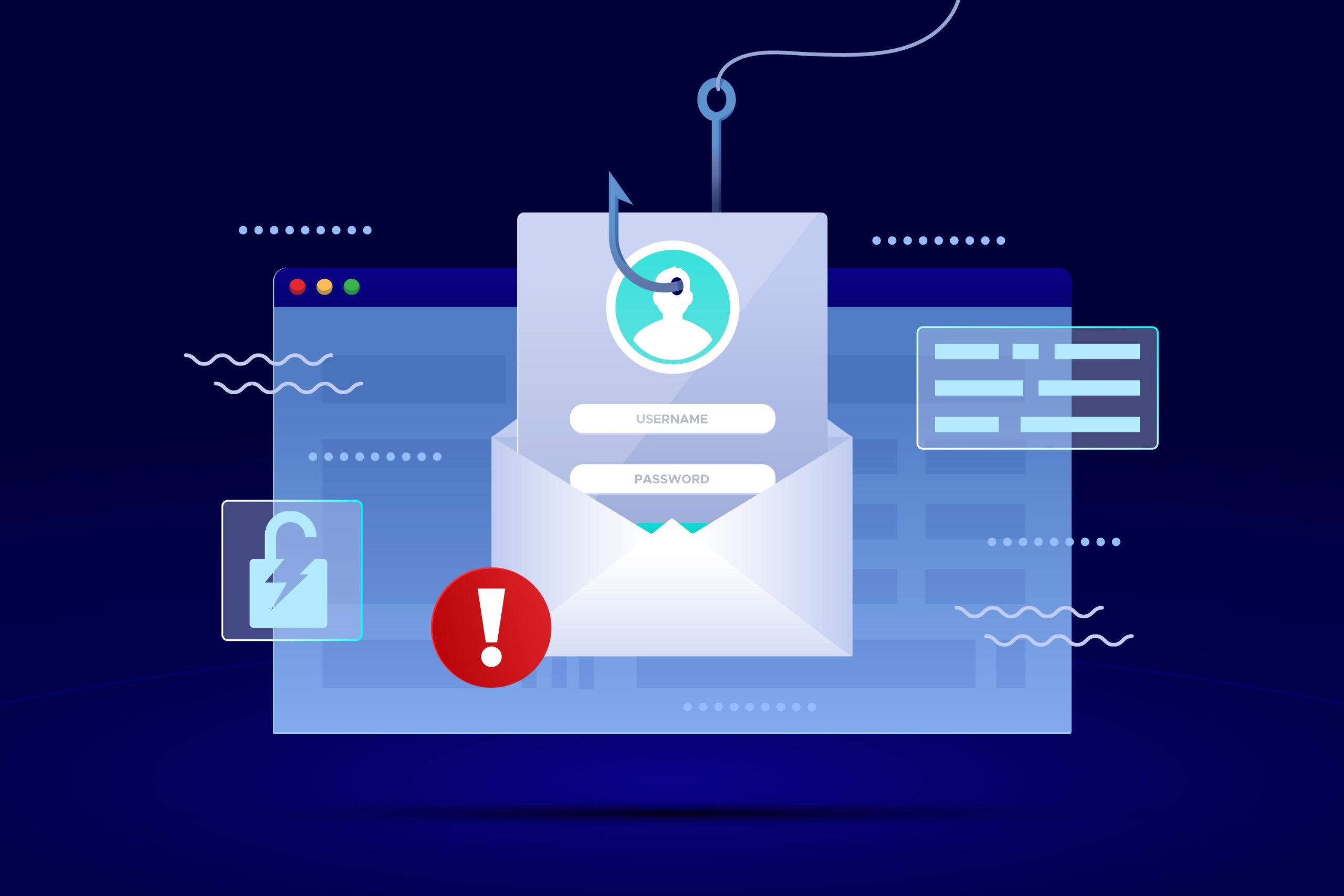
Deepfakes are synthetic media generated using machine learning models trained on real audio, video, or images. Early deepfakes were crude and easy to spot. Modern systems can produce near-perfect replicas with minimal training data.
In cybercrime, attackers use deepfakes not for novelty, but for precision. Public interviews, social media videos, earnings calls, and internal recordings provide ample training material. Within hours, attackers can generate convincing voice or video content tailored to a specific target.
This capability transforms phishing from mass messaging into highly targeted manipulation.
Why Phishing Is the Perfect Delivery Channel
Phishing is effective because it exploits human behavior. It requires minimal infrastructure, scales easily, and adapts quickly to defensive changes.
Deepfakes amplify these strengths. A synthetic voice call feels urgent and personal. A video message creates a sense of authenticity that text cannot match. When combined with malware links or instructions, victims are far more likely to comply.
Unlike exploits that depend on software flaws, deepfake phishing works even in fully patched environments.
Voice Deepfakes and Malware Delivery
Voice cloning is currently the most common deepfake phishing technique. Attackers impersonate executives, managers, or trusted vendors and leave voicemail messages or make direct calls.
The message often includes a sense of urgency. A payment needs approval. A document must be reviewed. A system issue requires immediate action. The victim is instructed to click a link, open a file, or run a script.
The malware itself may be traditional, but the delivery mechanism bypasses skepticism. Victims trust what they hear.
Video Deepfakes in Corporate Attacks
Video deepfakes take deception a step further. Attackers schedule fake video calls or send pre-recorded clips that appear to come from leadership.
In some cases, victims interact with a real attacker using a deepfake video overlay. The attacker responds in real time using synthetic facial expressions synced to their speech.
This technique has been used to authorize fraudulent transactions and distribute malware-laced software updates. Visual confirmation, once a security reassurance, becomes a liability.
Synthetic Media and Malware Payloads
Deepfake-driven phishing rarely involves just social engineering. It is often paired with malware designed for persistence, credential theft, or lateral movement.
Links may lead to malicious websites that deliver fileless payloads. Attachments may contain loaders that fetch additional components. Scripts may be disguised as internal tools.
The deepfake does not replace malware. It ensures the malware is executed willingly.
Targeted Attacks and Reconnaissance
These attacks are rarely random. Deepfake phishing requires preparation. Attackers study organizational hierarchies, communication styles, and workflows.
They learn who approves payments, who handles IT issues, and who trusts whom. Synthetic media is then crafted to fit seamlessly into existing processes.
This level of targeting increases success rates and reduces detection. Victims do not feel attacked. They feel instructed.
Why Traditional Security Controls Fail
Email filters, spam detection, and attachment scanning are ineffective against a phone call or a video message. Even when malware is involved, the delivery may occur outside monitored channels.
Security awareness training often focuses on email red flags. Deepfake phishing removes those cues. There are no misspellings, no strange domains, and no unfamiliar senders.
Authentication mechanisms also struggle. Voice recognition systems can be fooled by cloned audio. Visual verification becomes unreliable.
The Psychological Impact of Synthetic Media
Deepfakes exploit authority, familiarity, and urgency. When a trusted voice gives an instruction, people act first and question later.
The emotional impact is significant. Victims report higher stress and confusion, which reduces critical thinking. Attackers deliberately create scenarios where hesitation feels costly.
This psychological manipulation is as important as the technical payload.
Malware Operations Enabled by Deepfakes
Deepfake phishing is particularly effective for initial access. Once malware is deployed, attackers can move laterally, escalate privileges, and establish persistence.
Some campaigns use deepfakes repeatedly, issuing follow-up instructions to maintain access or extract additional data. The attacker becomes a trusted presence rather than an external threat.
This blurs the line between social engineering and command-and-control.
Legal and Forensic Challenges
Investigating deepfake-driven attacks is complex. Audio and video evidence may be dismissed as unreliable. Proving impersonation requires advanced forensic analysis.
Attribution is also difficult. Synthetic media leaves no fingerprints. Attackers can operate across jurisdictions with little risk.
Legal frameworks are struggling to keep pace, leaving organizations with limited recourse.
Defending Against Deepfake-Driven Phishing
Defense starts with process, not technology. Sensitive actions should require multi-person verification through multiple channels. Voice or video alone should never be sufficient.
Organizations must educate employees about deepfakes, not just phishing emails. Suspicion must extend to phone calls and video messages, especially those creating urgency.
Technical controls still matter. Malware prevention, behavior monitoring, and network segmentation reduce damage when deception succeeds.
Watermarking internal communications, using challenge-response verification, and limiting public exposure of executive media can also reduce risk.
The Role of Detection Technology
Deepfake detection tools are improving, but they are not foolproof. Relying solely on detection is risky.
Behavioral analytics, anomaly detection, and strong identity verification are more reliable than attempting to spot synthetic media directly.
In many cases, it is easier to detect abnormal actions than fake faces or voices.
Conclusion
Deepfake-driven phishing represents a fusion of human and technical exploitation. It attacks trust itself, using synthetic media to bypass skepticism and deliver malware with alarming efficiency.
As synthetic media becomes more accessible, these attacks will increase in frequency and sophistication. Organizations that continue to focus solely on technical defenses will remain vulnerable.
The future of phishing is not about better emails. It is about believable voices, convincing faces, and instructions that feel real. Defending against it requires rethinking how trust is established and verified in a digital world where seeing and hearing are no longer believing.

