Global crises disrupt far more than economies and public life. They also reshape activity on the dark web in ways that are often invisible until the damage is already done. Pandemics, wars, financial collapses, natural disasters, and geopolitical instability create uncertainty, fear, and opportunity, conditions that dark web actors actively exploit. During these periods, underground markets, forums, and services adapt rapidly, adjusting their offerings, targets, and narratives to align with real-world events. Understanding how dark web activity changes during global crises is essential for recognizing emerging threats before they spill into mainstream systems. This article examines the behavioral, economic, and operational shifts that occur on the dark web when the world enters periods of instability.
Crisis-Driven Demand and Opportunistic Crime
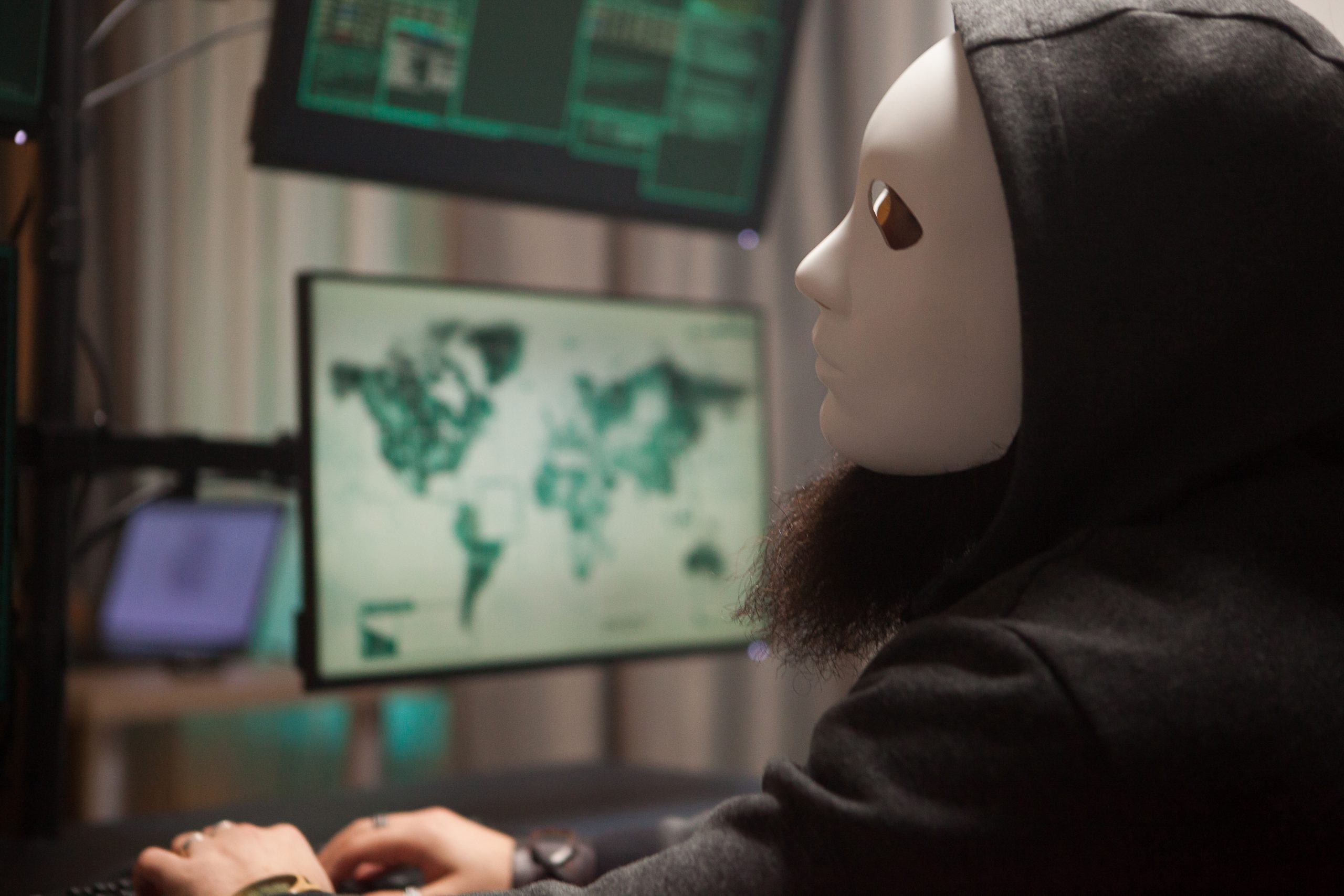
Global crises generate new forms of demand almost overnight. Shortages, restrictions, and confusion create opportunities for exploitation. On the dark web, this demand translates into the rapid appearance of crisis-related goods, services, and scams. Criminal actors closely monitor news cycles and public sentiment, adjusting offerings to match emerging needs. Whether it involves falsified documents, compromised access, or exploitative services, the dark web responds faster than most legitimate systems. This responsiveness makes crises particularly lucrative periods for underground operators.
Surge in Scams and Fraud Targeting Fear and Urgency
Fear and urgency are powerful psychological drivers, and dark web actors weaponize them during crises. Scam templates, phishing kits, and social engineering playbooks evolve to reflect current events. Messages reference emergency aid, supply shortages, regulatory changes, or financial relief programs. These tools are sold and distributed through dark web forums, enabling rapid deployment at scale. Victims are more likely to act impulsively during crises, increasing success rates. The dark web becomes a distribution hub for these emotionally driven fraud operations.
Exploitation of Emergency Programs and Relief Systems
Government and institutional emergency programs often roll out quickly, prioritizing speed over security. Dark web communities analyze these systems for weaknesses almost immediately. Stolen identities, forged documents, and automated application tools are traded to exploit relief funds. Tutorials explaining how to bypass verification processes circulate privately. Once vulnerabilities are discovered, exploitation spreads rapidly across borders. This activity not only causes financial loss but also undermines trust in emergency support systems.
Shifts in Target Selection and Attack Focus
During stable periods, dark web operations often focus on predictable targets such as large corporations or financial institutions. Crises change this calculus. Healthcare systems, logistics providers, public utilities, and small businesses become prime targets due to increased pressure and reduced tolerance for disruption. Dark web discussions frequently highlight sectors under strain, identifying them as more likely to pay ransoms or overlook security lapses. Target selection becomes opportunistic, driven by situational vulnerability rather than long-term strategy.
Expansion of Ransomware and Extortion Activity
Crises create ideal conditions for ransomware and extortion. Organizations operating under stress may lack the capacity to respond effectively to attacks. Dark web forums reflect this reality, with actors openly discussing timing attacks to coincide with peak disruption. Extortion tactics become more aggressive, leveraging public harm or service interruption as leverage. Data theft combined with encryption becomes more common, increasing pressure on victims. These strategies are refined and shared rapidly within underground communities.
Supply Chain and Access Market Disruptions
Global crises often disrupt supply chains and workforce stability, leading to increased reliance on remote access and third-party vendors. Dark web access markets adapt by focusing on credentials, VPN access, and cloud administration privileges. Listings emphasize sectors experiencing rapid digital transformation or staffing shortages. Compromised access gained during crises may remain valuable long after conditions stabilize, feeding future attacks. The dark web treats crises as entry points rather than isolated events.
Information Warfare and Disinformation Services
In geopolitical or social crises, dark web activity extends beyond financial crime into information warfare. Services offering disinformation campaigns, account manipulation, and narrative amplification become more visible. These services are used to influence public opinion, destabilize institutions, or exploit social divisions. Dark web forums discuss tactics for evading platform moderation and maximizing reach. The line between cybercrime and psychological operations becomes increasingly blurred during these periods.
Migration Patterns and Platform Behavior During Crises
Crises can disrupt dark web infrastructure itself. Increased law enforcement focus, internet restrictions, or regional instability may affect access and hosting. In response, platforms migrate, rebrand, or decentralize. Users become more cautious, favoring private channels over public markets. Trust dynamics shift as fear of infiltration grows. These changes reshape the dark web’s structure, sometimes permanently altering how communities organize and communicate.
Increased Insider Threat Recruitment
Economic instability and job insecurity increase the appeal of insider recruitment. Dark web job listings targeting employees in vulnerable sectors become more prominent during crises. Recruiters emphasize low effort and high reward, exploiting financial stress. Industries facing layoffs, budget cuts, or operational chaos are particularly vulnerable. Insider access gained during crises can have long-term consequences, enabling sustained exploitation beyond the immediate event.
Acceleration of Tool and Service Innovation
Crises accelerate innovation on the dark web. New attack techniques, automation tools, and monetization strategies are tested rapidly under real-world conditions. Tools that prove effective spread quickly, becoming standard practice. Failed approaches are abandoned just as fast. This rapid experimentation shortens the innovation cycle, making dark web activity more adaptive and unpredictable during and after crises.
Psychological Effects Within Dark Web Communities
Crises also affect the psychology of dark web actors themselves. Increased risk, uncertainty, and opportunity create heightened paranoia and competitiveness. Discussions become more tactical, focused on short-term gains rather than long-term planning. Trust erodes more quickly, leading to fragmentation and internal conflict. These psychological shifts influence behavior, decision-making, and operational discipline across underground communities.
Long-Term Consequences After Crises Subside
The effects of global crises on dark web activity do not disappear when conditions improve. Techniques developed during crises persist, and compromised data continues to circulate. Relationships formed under pressure evolve into long-term collaborations. Security weaknesses exposed during crises may remain unaddressed. In this way, each global disruption leaves a lasting imprint on the dark web ecosystem, shaping future activity.
Why Monitoring Crisis-Driven Dark Web Activity Matters
Understanding how dark web activity changes during crises is critical for proactive defense. Early signals often appear in underground forums and markets before attacks escalate. Monitoring these shifts can provide valuable warning of emerging threats. It also highlights the need for crisis planning that includes cybersecurity considerations, not as an afterthought but as a core component of resilience.
Conclusion
Global crises fundamentally reshape dark web activity by altering incentives, vulnerabilities, and behavior. Fear, urgency, and disruption create fertile ground for exploitation, innovation, and expansion within underground networks. The dark web responds quickly, adapting its tools, targets, and narratives to align with real-world instability. Recognizing these patterns is essential for understanding that cyber threats do not exist in isolation. They are deeply connected to global events, evolving alongside the crises that shape our world.


I need to learn hacking could someone help me to learn