Phishing attacks have existed for decades, but artificial intelligence has transformed them into something far more dangerous. What were once poorly written emails and obvious scams have evolved into highly targeted, convincing messages that closely mimic legitimate communication.
AI-powered phishing attacks are harder to detect because they adapt quickly, personalize content at scale, and exploit human behavior more effectively than traditional methods. This shift is changing the cybersecurity landscape and forcing defenders to rethink how phishing is identified and stopped.
How Phishing Has Evolved With Artificial Intelligence
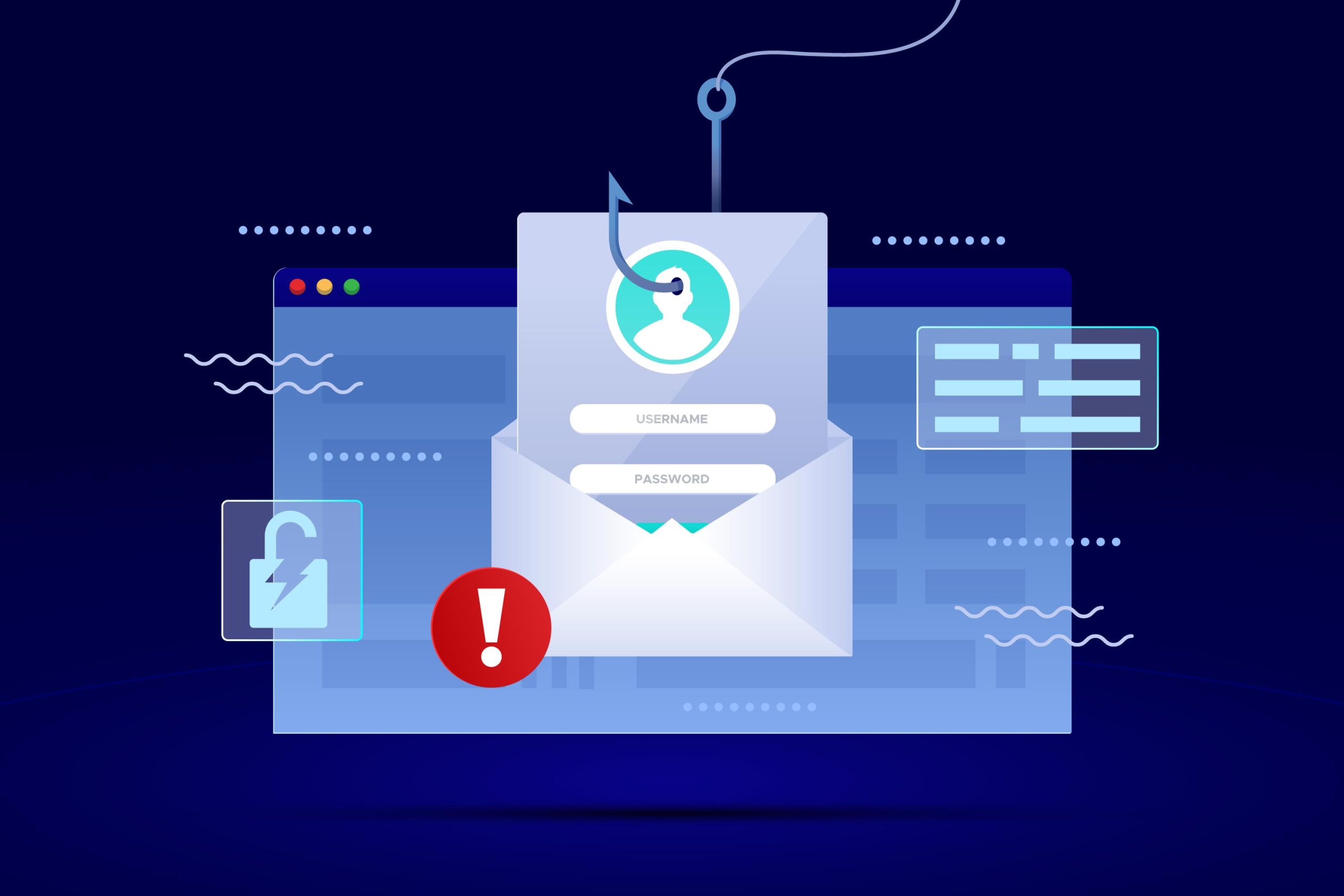
Traditional phishing relied on volume and chance. Attackers sent generic messages to thousands of users, hoping a small percentage would fall for the scam. AI has replaced this approach with precision.
Modern phishing campaigns use machine learning models to analyze language, behavior, and context. This allows attackers to craft messages that feel natural and relevant to each target.
From Generic Scams to Personalized Attacks
AI enables attackers to personalize phishing messages using publicly available data. Social media profiles, leaked databases, and company websites provide enough information to tailor emails that reference real names, job roles, and recent activity.
Personalization reduces suspicion and increases the likelihood that the recipient will interact with the message.
Why AI-Powered Phishing Is Harder to Detect
The effectiveness of AI-driven phishing lies in its ability to bypass both technical filters and human judgment.
Natural Language That Feels Legitimate
AI-generated text closely mimics human writing patterns. Grammar, tone, and phrasing are often indistinguishable from legitimate emails.
This makes it difficult for spam filters that rely on keyword patterns or known templates to flag malicious messages.
Rapid Adaptation to Defenses
AI systems can test multiple variations of a phishing message and learn which ones succeed. Messages that trigger filters are discarded, while successful ones are refined and reused.
This constant adaptation allows phishing campaigns to evolve faster than traditional security updates.
The Role of Automation and Scale
AI allows attackers to launch highly targeted phishing campaigns at massive scale.
Automated Target Selection
Machine learning models can identify high-value targets by analyzing job titles, organizational hierarchies, and online activity. Executives, finance teams, and IT staff are often prioritized.
This increases the potential impact of each successful attack.
Real-Time Message Generation
Unlike static phishing kits, AI can generate messages in real time based on current events. Attackers exploit news, corporate announcements, or emergencies to create urgency and emotional pressure.
This timing makes phishing attempts feel more credible.
New Phishing Techniques Powered by AI
AI has expanded phishing beyond traditional email scams.
AI-Generated Voice Phishing
Voice cloning technology allows attackers to impersonate executives or trusted contacts. These calls sound convincing and can pressure employees into transferring funds or sharing credentials.
Because the voice sounds familiar, victims are less likely to question the request.
Chat-Based and Social Media Phishing
AI-driven chatbots can engage victims in real conversations over messaging platforms. These interactions feel personal and dynamic, increasing trust over time.
This method is especially effective against users who are cautious of email-based threats.
Why Humans Remain the Weakest Link
Even the best technical defenses struggle when attacks are designed to exploit human psychology.
Emotional Manipulation
AI-powered phishing messages are crafted to trigger fear, urgency, or curiosity. Language is optimized to push users into acting quickly without verifying the request.
This psychological pressure bypasses rational decision-making.
Familiarity and Trust Exploitation
By referencing real colleagues, projects, or recent events, phishing messages feel safe. Users often assume legitimacy based on familiarity alone.
This makes training and awareness just as important as technical protection.
Limitations of Traditional Anti-Phishing Tools
Many existing security tools were designed for older phishing techniques.
Signature-Based Detection Falls Short
AI-generated phishing messages are unique and constantly changing. Signature-based systems struggle to keep up with this variability.
By the time a pattern is identified, attackers have already moved on.
Over-Reliance on Email Filtering
Phishing is no longer limited to email. Attacks now span messaging apps, collaboration platforms, and voice calls, creating blind spots in traditional defenses.
How Organizations Are Responding
Defenders are increasingly turning to AI to fight AI-powered threats.
Behavioral and Contextual Analysis
Modern security tools analyze behavior rather than just content. They look for anomalies such as unusual login times, unexpected requests, or changes in communication patterns.
This approach is more effective against adaptive attacks.
Continuous User Training
Organizations are investing in ongoing security awareness programs. Simulated phishing exercises help users recognize suspicious behavior and respond correctly.
Training is shifting from static rules to situational judgment.
What Individuals Can Do to Stay Safe
While technology plays a key role, individual awareness remains critical.
Users should:
-
Verify unexpected requests through separate channels
-
Be cautious of urgency and emotional pressure
-
Avoid clicking links without checking their source
-
Enable multi-factor authentication wherever possible
These habits significantly reduce the success rate of phishing attacks.
The Future of Phishing and Cyber Defense
As AI continues to advance, phishing attacks will become even more convincing. At the same time, defensive tools will grow smarter and more proactive.
The battle will increasingly focus on behavior, context, and real-time detection rather than static rules.
Conclusion
AI-powered phishing attacks represent a major shift in cyber threats. They are more personalized, adaptive, and psychologically effective than traditional scams, making them harder to detect and prevent.
Addressing this challenge requires a combination of advanced security technology, continuous user education, and a shift in how organizations think about trust and communication. As attackers evolve, cybersecurity strategies must evolve even faster to stay ahead.

