In recent years, phishing attacks have become more advanced, and now there’s a disturbing new twist to them—deepfakes. Once seen as just a curiosity in social media or entertainment, deepfakes are now making their way into the world of cybercrime. But what are deepfakes exactly, and how dangerous are they in the hands of cybercriminals? Let’s take a closer look.
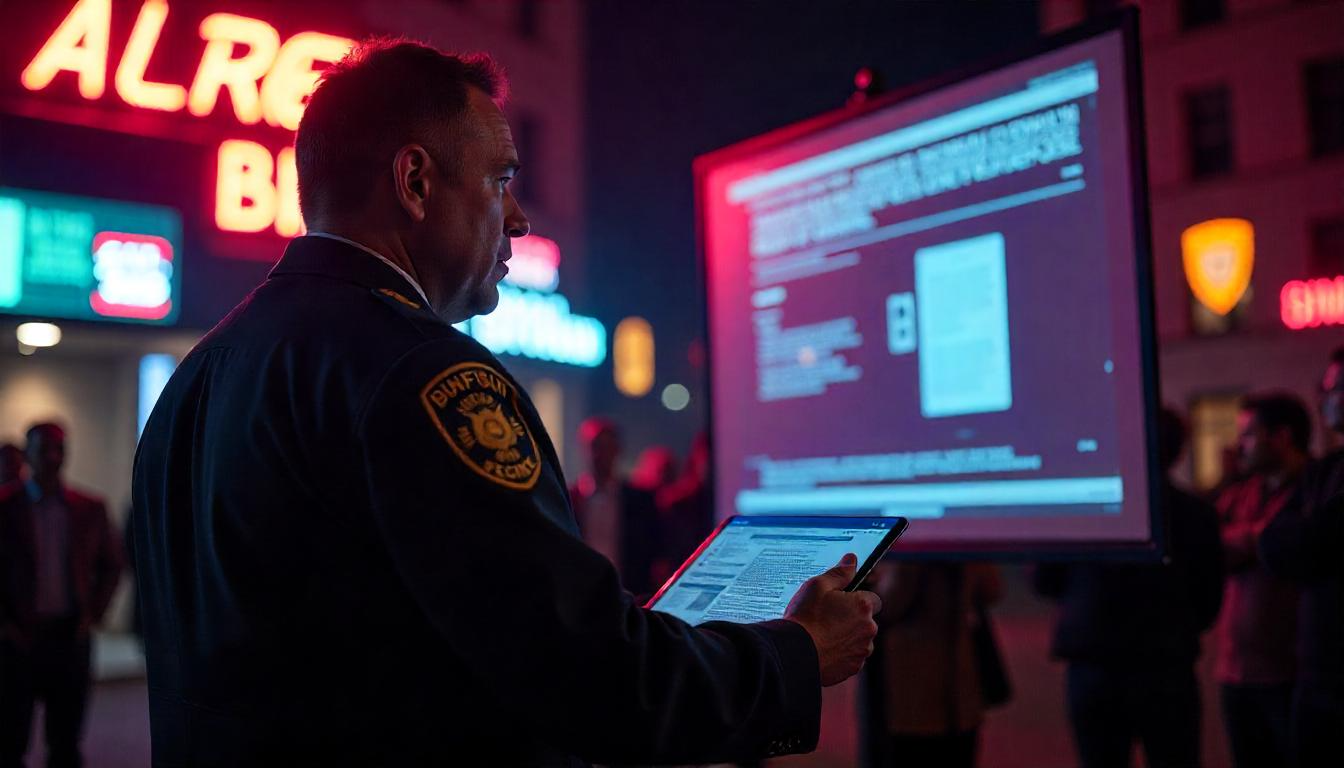
What Are Deepfakes?
A deepfake is a type of synthetic media created using artificial intelligence (AI), particularly deep learning techniques. These tools can manipulate audio, images, and video to make it appear as if someone said or did something they never did. With enough data, such as video footage or voice samples, AI can generate eerily realistic content. While some people use deepfakes for entertainment—like putting a celebrity’s face in a funny video—the technology has a darker side when used for malicious purposes.
Phishing Attacks in a Nutshell
Before we dive into the role of deepfakes, it’s important to understand phishing. Phishing is a type of cyberattack where criminals trick individuals into giving away sensitive information like passwords, bank details, or login credentials. They typically use emails, messages, or fake websites that appear to come from trusted sources. Traditional phishing relies heavily on social engineering—manipulating people’s emotions, fears, or trust. Now, with deepfakes in play, these scams can be much more convincing and dangerous.
How Deepfakes Enhance Phishing Attacks
Imagine receiving a video message from your boss asking you to urgently wire money to a new vendor. The person looks and sounds exactly like your boss. The message contains the company’s lingo, tone, and even a backdrop of the office. Would you question it? This is the new frontier of phishing, often called vishing (voice phishing) and video phishing. Deepfake technology can now clone voices and faces to deceive employees, customers, and even security systems. Here are some specific ways deepfakes are already being used or could be used in phishing:
1. Fake Executive Videos
Cybercriminals can create a realistic video of a CEO asking the finance department to transfer funds. Since deepfakes can mimic voice and facial movements, employees may act without verifying the request.
2. Voice-Cloned Phone Calls
AI tools can clone a voice after just a few minutes of recorded audio. A scammer can call an employee and pretend to be a high-ranking executive, requesting access credentials or secret information.
3. Video Interviews or Job Offers
Fraudsters can impersonate HR professionals or company representatives using deepfake video calls to gain trust and extract personal data from job seekers.
Real-Life Cases of Deepfake Phishing
This may sound like science fiction, but it’s already happening.
-
In 2019, criminals used AI-generated voice to mimic the CEO of a UK-based energy firm and tricked an employee into wiring $243,000 to a Hungarian bank account. The voice was so convincing that the employee didn’t suspect a thing.
-
In 2021, a bank in the UAE was defrauded for $35 million after hackers used deepfake audio and emails to impersonate a company director. Authorities said AI-generated voice was a key part of the scam.
These cases show how deepfakes can bypass traditional red flags and create a new level of trust—which makes them extremely dangerous.
Why Are Deepfakes So Effective in Phishing?
There are several reasons why deepfakes are becoming the go-to tool for sophisticated phishing attacks:
-
They build trust quickly. People naturally trust familiar faces and voices.
-
They bypass traditional email filters. Unlike phishing links, a deepfake video message may not trigger spam detectors.
-
They pressure people to act fast. Most deepfake phishing includes a sense of urgency to limit time for doubt or verification.
-
They are scalable. Once a model is built, it can be reused across multiple attacks with minor tweaks.
Who Is Most at Risk?
While anyone can be a victim, certain groups are more vulnerable:
-
Company Employees – Especially those in finance or HR who deal with payments and sensitive data.
-
High-Profile Individuals – Politicians, executives, influencers, and celebrities are more likely to have enough publicly available data to create realistic deepfakes.
-
Remote Teams – In the age of remote work and Zoom calls, it’s easier to fall for fake video messages.
How Can You Protect Yourself?
Though the idea of deepfakes being used in phishing sounds terrifying, there are steps you can take to stay safe.
1. Use Multi-Factor Authentication (MFA)
Even if a hacker tricks you into sharing a password, MFA can block unauthorized access unless they have a second form of verification.
2. Verify Requests Through Multiple Channels
If you receive an unusual request via video or audio, confirm it via a different method, such as an internal chat, SMS, or phone call.
3. Educate Employees
Train your team to recognize red flags and unusual behaviors, even if the message comes from a trusted-looking source.
4. Deploy Deepfake Detection Tools
Several cybersecurity companies now offer tools to analyze videos and audio for signs of manipulation.
5. Limit What You Share Publicly
Reducing the amount of voice and video data available online can make it harder for criminals to build a convincing deepfake of you.
Final Thoughts: Are Deepfakes the Future of Phishing?
Yes—deepfakes are a real and growing threat in phishing attacks. What makes them so dangerous is their ability to disguise lies with realism. When your eyes and ears are fooled, your brain follows. It’s not enough anymore to “trust but verify.” Now, we must verify before we trust—no matter how real something seems. As AI continues to evolve, so will the tactics of cybercriminals. Businesses, governments, and individuals must adapt fast to recognize and defend against this new breed of cyber deception. Deepfakes may not be the most common phishing tool yet, but the writing is on the wall—they’re coming, and they’re scarily effective.

