Cybersecurity has reached a point where neither humans nor AI can handle threats alone. Attacks move faster, use more brilliant tactics, and target complex systems that change constantly. At the same time, businesses depend on cloud platforms, remote work, APIs, mobile systems, IoT devices, edge computing, and sprawling networks full of hidden entry points. The attack surface keeps expanding, and attackers use automation and AI to move even faster.
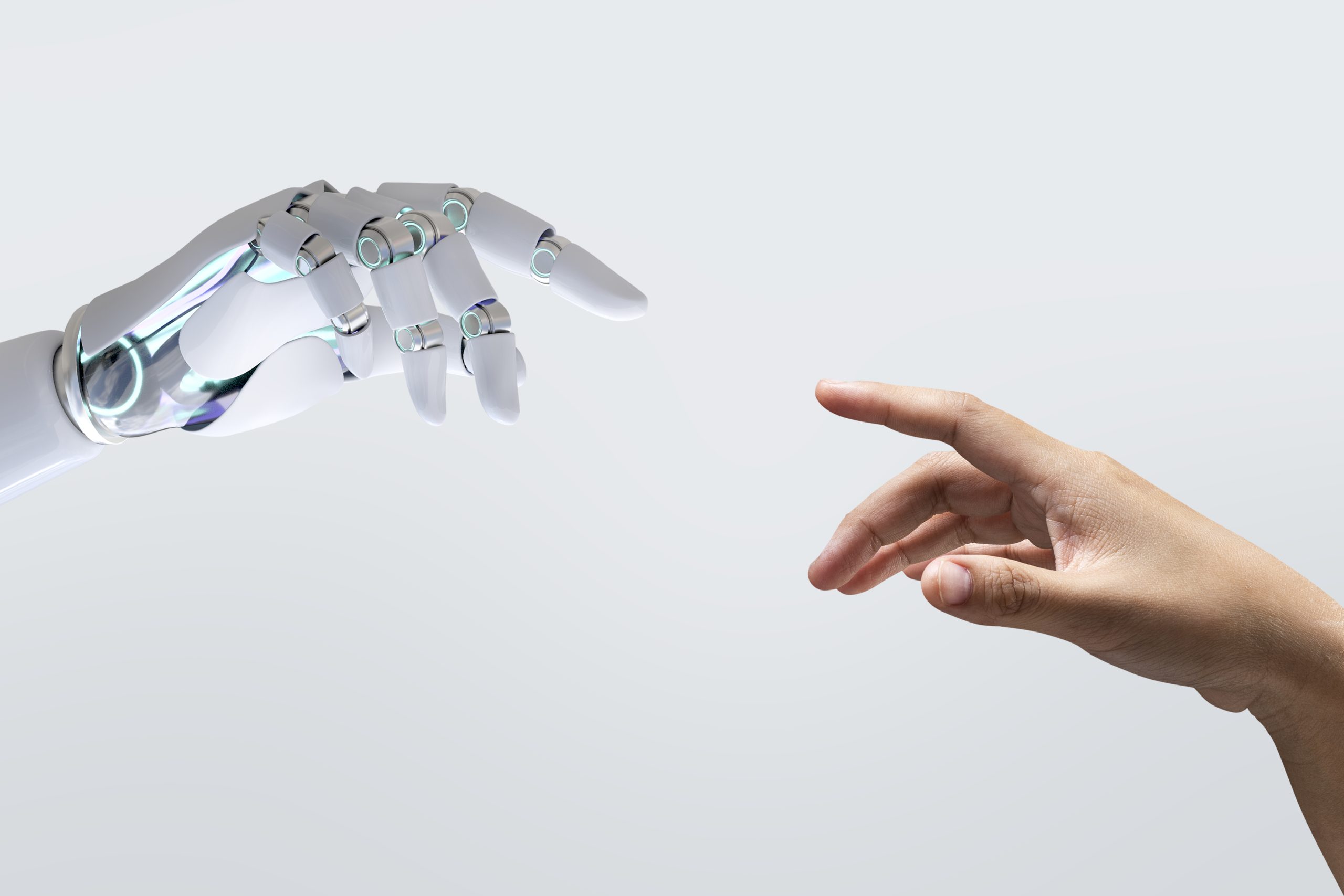
This environment has pushed organizations to look beyond traditional security models. Automation is not enough. Human analysts are not enough. Instead, the most effective approach combines both. This is the human plus AI hybrid defense model. It uses the strengths of both sides to fix the weaknesses of each.
AI brings speed and pattern recognition. Humans bring judgment, context, and creative thinking. Together, they create a defense system that is faster, more accurate, and more adaptable than either one alone.
In 2025, hybrid defense models have become one of the most promising strategies for protecting digital systems. This blog explains why they matter, how they work, and how organizations can adopt them successfully.
Why Pure AI Defense Is Not Enough
AI has become a major part of cybersecurity. Tools can detect unusual behavior, filter alerts, identify malware, scan logs, and flag threats. But even advanced AI has limits.
1. AI struggles with context
AI may see anomalies, but it cannot always understand intention, nuance, or business logic. It may misjudge harmless behavior as a threat or miss hidden motives behind actions.
2. Attackers design threats to fool AI
As AI grows stronger, attackers build deception techniques that hide malicious actions inside regular traffic.
3. AI produces false positives
A system overloaded with alerts wastes time and overwhelms security teams.
4. AI cannot predict creative attacks
Attackers think creatively. AI follows patterns. When something new appears, AI may not recognize it fast enough.
5. AI still depends on data quality
If the training data is weak, outdated, or biased, AI makes wrong decisions.
AI is powerful, but it cannot replace human insight.
Why Human Analysts Cannot Do It Alone
Human security professionals remain essential, but the modern threat landscape is too fast and too large for manual analysis.
1. Humans cannot match machine speed
Attackers move in seconds. Humans cannot review logs or network traffic at that pace.
2. Data volumes are too big
Log data, network telemetry, endpoint activity, cloud events, and API behavior generate millions of signals per day.
3. Burnout and fatigue
Analysts face constant alerts. Many teams are understaffed. Fatigue leads to mistakes.
4. Difficulty spotting subtle anomalies
Some attacks hide inside patterns too complex for manual detection.
5. Skill shortages
There is a global shortage of skilled cybersecurity professionals.
Humans remain irreplaceable, but they need help.
Why the Hybrid Model Works Better Than Either Alone
The hybrid model uses AI for what machines do best and relies on humans for what AI cannot do. This balance creates a stronger, more flexible defense system.
1. AI handles detection, humans handle interpretation
AI scans millions of events. Humans examine the most important ones and make decisions.
2. Humans train and guide AI
Human analysts correct false positives, confirm real threats, and teach AI what matters.
3. AI automates repetitive tasks
This frees humans to focus on investigations, threat hunting, and strategic planning.
4. Humans bring creativity
Human intuition spots unusual behavior that AI cannot categorize.
5. AI shortens response time
Once a threat is verified, AI can block IPs, isolate endpoints, or stop suspicious processes instantly.
6. Shared learning
Everything the team learns improves the AI. Everything the AI detects supports the team.
Hybrid defense creates a cycle where both sides improve each other continuously.
Where Hybrid Defense Makes the Biggest Difference
Hybrid models strengthen security across several key areas.
1. Threat Detection
AI catches suspicious activity. Humans confirm whether it is harmless or harmful.
2. Incident Response
AI stops threats at machine speed. Humans manage impact, communication, and long-term fixes.
3. Threat Hunting
AI highlights patterns. Humans explore deeper and find hidden risks.
4. Vulnerability Management
AI ranks vulnerabilities. Humans decide which ones matter most to the business.
5. Cloud Security
AI analyzes workloads and API patterns. Humans validate risky actions and design safer architectures.
6. Endpoint Security
AI identifies malicious code. Humans refine policies and respond to complex infections.
7. Fraud Detection
AI flags odd financial behavior. Humans analyze customer intention and business rules.
Hybrid defense improves precision and reduces noise.
Examples of AI and Human Tasks in a Hybrid Workflow
AI Handles
-
Log ingestion
-
Pattern analysis
-
Alert scoring
-
Malware classification
-
User behavior analytics
-
Baseline creation
-
Automated blocking
-
Real time detection
-
Routine investigations
Humans HaReal-time
-
incident reviews
-
Decision making
-
Risk assessment
-
Red team and blue team operations
-
Advanced threat hunting
-
AI tuning
-
Strategic defense planning
-
Compliance and governance
Each side works within its strengths.
Key Technologies Supporting Hybrid Defense
Several tools help create strong hybrid systems.
1. SIEM with built in AI
Modern SIEM platforms use AI to reduce built-in highlights real threats.
2. SOAR platforms
These systems automate response actions like isolating devices or resetting accounts.
3. UEBA tools
User and Entity Behavior Analytics detect unusual activity patterns.
4. EDR and XDR solutions
These tools combine endpoint and network data with AI analytics.
5. Threat intelligence platforms
AI sorts through global threat data, allowing analysts to see emerging trends.
When integrated, they form the backbone of hybrid cyber defense.
Challenges When Building a Hybrid Defense Model
Hybrid systems are robust, but organizations must address several problems.
1. Alert overload
If AI is not tuned well, it produces too many alerts.
2. Lack of analyst training
Teams must learn how to work with AI systems instead of fighting them.
3. Poor data quality
AI learns from the data provided. Weak data leads to weak detection.
4. Integration complexity
Different tools must communicate smoothly.
5. Overreliance on automation
Teams should avoid turning over complete control to AI.
6. Cultural resistance
Some analysts distrust AI, which slows adoption.
Successful hybrid defense requires planning and alignment across teams.
How Organizations Can Build a Strong Hybrid Defense
1. Start with AI-assisted detection
Slowly roll out AI detection capabilities before automating responses.
2. Train your security team
Teach analysts how to read AI insights, correct errors, and guide the system.
3. Combine data sources
Use logs, cloud activity, endpoints, APIs, and threat intelligence together.
4. Automate low-risk tasks
Start by automating simple responses like blocking known malicious IPs.
5. Build a feedback loop
Analysts must review AI alerts regularly to improve accuracy.
6. Use playbooks
Standardize how AI and humans respond to common threats.
7. Measure outcomes
Track detection accuracy, false favorable rates, and response time improvements.
Gradual adoption leads to a stable and effective hybrid system.
Final Thoughts
Cybersecurity cannot rely entirely on AI or humans alone. The threat landscape is too fast and too complex. AI offers speed, automation, and deep data analysis. Humans provide critical thinking, creativity, intuition, and strategic decision-making. Together, they form a powerful partnership that adapts to new threats and handles attacks at multiple levels.
Organizations that invest in hybrid defense gain a significant advantage. They reduce risk, improve detection speed, and strengthen resilience. This combination gives defenders the upper hand in a world where attackers use automation and AI to move at full speed.

